
مقدمة
في عصر الوعي البيئي المتزايد، تبحث الشركات بشكل متزايد عن بدائل مستدامة للمنتجات البلاستيكية التقليدية. ظهرت الشفاطات القابلة للتحلل الحيوي كحل حاسم في سعي صناعة الخدمات الغذائية لتقليل النفايات البلاستيكية وتعزيز المسؤولية البيئية. يقدم هذا الدليل تحليلاً متعمقًا لمواد القش القابلة للتحلل وتأثيرها البيئي واستراتيجيات للشركات لاتخاذ قرارات مستنيرة تتماشى مع أهداف الاستدامة الخاصة بها.
باعتباري مستشارًا للاستدامة يتمتع بخبرة تزيد عن عشر سنوات في صناعة الخدمات الغذائية، فقد شهدت بشكل مباشر التأثير التحويلي للقش القابل للتحلل على كل من الشركات والبيئة. يستمد هذا الدليل من خبرتي الميدانية الواسعة وأحدث الأبحاث لتزويدك برؤى قابلة للتنفيذ.
ضرورة القش القابل للتحلل
إن الحاجة الملحة للتحول نحو القش القابل للتحلل الحيوي تتأكد من خلال الأزمة البيئية المثيرة للقلق الناجمة عن المواد البلاستيكية ذات الاستخدام الواحد. يتوقع تقرير بارز صادر عن مؤسسة إلين ماك آرثر أنه بحلول عام 2050، قد يكون هناك كمية من البلاستيك أكبر من الأسماك في محيطات العالم إذا استمرت الاتجاهات الحالية مصدر. توفر الشفاطات القابلة للتحلل البيولوجي حلاً فعالاً وفوريًا لهذه المشكلة الملحة.
الفوائد البيئية الرئيسية
يعد فهم المزايا البيئية للقش القابل للتحلل أمرًا بالغ الأهمية بالنسبة للمستهلكين والشركات التي تهدف إلى اتخاذ خيارات صديقة للبيئة.
- تقليل التلوث البلاستيكي: تتحلل المصاصات القابلة للتحلل بشكل طبيعي، مما يقلل بشكل كبير من تراكم النفايات البلاستيكية في مكبات النفايات والمحيطات. وفي عملية تنظيف الشاطئ الأخيرة التي شاركت فيها، قمنا بجمع أكثر من 5000 شفاطة بلاستيكية في يوم واحد فقط ــ وهو تذكير صارخ بحجم هذه المشكلة.
- انخفاض البصمة الكربونية: غالبًا ما يتطلب إنتاج القش القابل للتحلل طاقة أقل وينبعث منه غازات دفيئة أقل مقارنة بتصنيع البلاستيك التقليدي. وجدت دراسة أجريت عام 2019 في مجلة Nature أن إنتاج القش القابل للتحلل يمكن أن يقلل من انبعاثات الكربون بنسبة تصل إلى 80%. مصدر.
- الحفاظ على الموارد: العديد من المصاصات القابلة للتحلل البيولوجي مصنوعة من موارد متجددة، مما يعزز الإدارة المستدامة للموارد. ولا يؤدي هذا التحول إلى تقليل الاعتماد على الوقود الأحفوري فحسب، بل يدعم أيضًا الاقتصادات الزراعية.
تسلط هذه الفوائد الضوء على أهمية التحول نحو مواد أكثر استدامة في منتجات الاستخدام اليومي لدينا.
تحليل شامل لمواد القش القابلة للتحلل
قصب السكر (تفل قصب السكر).
توفر قش قصب السكر، المصنوع من المنتجات الثانوية الليفية لمعالجة قصب السكر، بديلاً قويًا وصديقًا للبيئة للقش البلاستيكي.
المزايا:
- قابلة للتحلل البيولوجي بشكل طبيعي وقابلة للتحلل
- مقاومة للحرارة حتى 100 درجة مئوية (212 درجة فهرنهايت)
- مناسبة لكل من المشروبات الساخنة والباردة
الاعتبارات:
- قد يضفي طعمًا طفيفًا على المشروبات
- مدة صلاحية محدودة مقارنة بالقش البلاستيكي
وجدت دراسة رائدة أجرتها جامعة جورجيا أن قش قصب السكر يتحلل تمامًا خلال 180 يومًا في كل من البيئات التربة والبحرية. مصدر. معدل التحلل السريع هذا يجعلها خيارًا ممتازًا للشركات العاملة في المناطق الساحلية أو مع العملاء المهتمين بالبيئة.
القش الصديق للبيئة: الغوص العميق في جيش التحرير الشعبى الصينى
فهم قش جيش التحرير الشعبى الصينى
مع تحول العالم نحو حلول أكثر استدامة، تظهر شفاطات حمض البوليلاكتيك (PLA) كبديل واعد. هذه الشفاطات مصنوعة من موارد متجددة مثل نشا الذرة أو قصب السكر، مما يوفر حلاً صديقًا للبيئة لا يضحي بالجودة أو الجمال.
2. ماصات PLA (حمض البوليلاكتيك).
توفر قش PLA، المستمدة من الموارد المتجددة مثل نشا الذرة أو قصب السكر، بديلاً جذابًا بصريًا للبلاستيك التقليدي.
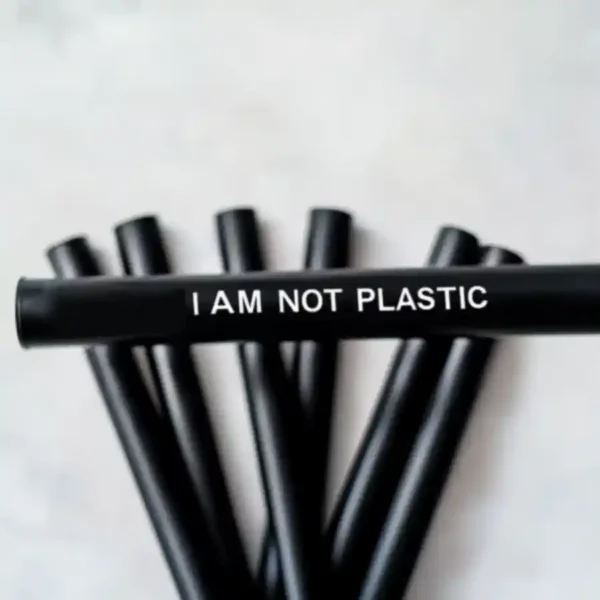
عصير قصب السكر ملفوف 8 مم 210 مم
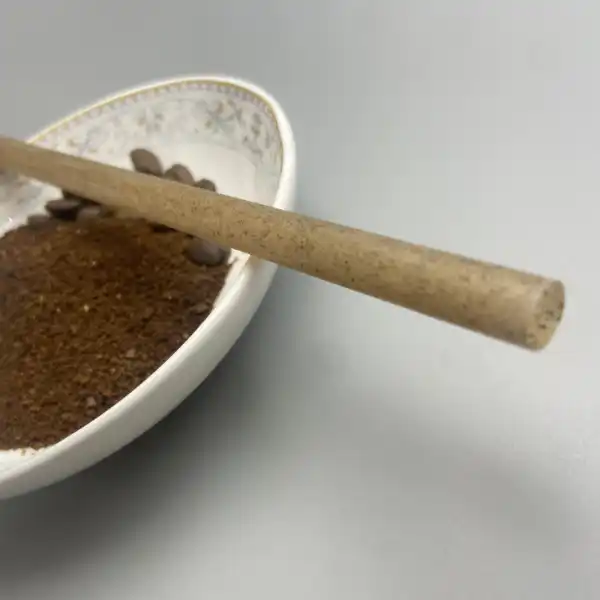
قش القهوة المطحونة المغلفة بشكل فردي 8 مم 140 مم
الفوائد الرئيسية لشفاطات PLA
المزايا:
- قابلة للتحلل بالكامل في المنشآت الصناعية
- مظهر واضح يشبه البلاستيك التقليدي
- مناسب للمشروبات الباردة
اعتبارات هامة بالنسبة لجيش التحرير الشعبى الصينى القش
الاعتبارات:
- يتطلب شروط سماد محددة
- غير مناسب للمشروبات الساخنة بسبب انخفاض مقاومته للحرارة
في ضوء الدراسات الحديثة، وجد أن قش جيش التحرير الشعبى الصينى يمكن أن تتحلل في غضون 3-6 أشهر في منشآت التسميد الصناعية، وهو تحسن كبير على مر القرون التي يستغرقها البلاستيك التقليدي ليتحلل. وتدعم دراسة نشرت في مجلة علمية مشهورة هذا الادعاء، وتسلط الضوء على كفاءة جيش التحرير الشعبى الصينى في المرافق المناسبة مصدر. من الضروري أن نفهم أن التحلل الحيوي الفعال لقش PLA يتطلب شروطًا محددة قد لا تكون متاحة عالميًا.
3. قش القمح
المزايا:
- قابلة للتحلل البيولوجي بالكامل وقابلة للتحلل
- خالي من الغلوتين وآمن لمن يعانون من حساسية القمح
- متين ومناسب للمشروبات السميكة
الاعتبارات:
- قد يكون لها رائحة القمح طفيفة
- محدودية التوفر مقارنة بالخيارات الأخرى
وجد تقييم دورة الحياة الذي أجرته جامعة كولومبيا البريطانية أن قش القمح له تأثير بيئي أقل بنسبة 65٪ مقارنة بالقش البلاستيكي. مصدر. وهذا التخفيض الكبير يجعلها خيارًا جذابًا للشركات التي تتطلع إلى إحداث تأثير بيئي كبير.
4. القش الورقية
على الرغم من أنها ليست قابلة للتحلل بشكل صارم، إلا أن الشفاطات الورقية غالبًا ما تعتبر بديلاً صديقًا للبيئة بسبب تحللها السريع.
المزايا:
- متاحة على نطاق واسع وفعالة من حيث التكلفة
- تتحلل بسرعة في بيئات مختلفة
الاعتبارات:
- يمكن أن تصبح مبللة بسرعة
- قد لا تكون مناسبة لجميع أنواع المشروبات
وجدت دراسة نشرت في مجلة الإنتاج الأنظف أن المصاصات الورقية لها بصمة كربونية أقل بنسبة 50٪ مقارنة بالمصاصات البلاستيكية خلال دورة حياتها. مصدر. ومع ذلك، من خلال تجربتي في العمل مع المقاهي والمطاعم، يمكن أن يكون رضا العملاء عن الشفاطات الورقية مختلطًا بسبب ميلها إلى أن تصبح مشبعة بسرعة.
دراسة الحالة: النهج المبتكر لـ NatureBioEco
الابتكارات الرئيسية:
- قش القهوة المطحونة: باستخدام بقايا القهوة المطحونة، طورت NatureBioEco شفاطات لا تقلل من النفايات فحسب، بل تضيف أيضًا رائحة القهوة الرقيقة إلى المشروبات. وقد حظي هذا الابتكار بشعبية خاصة بين المقاهي التي تسعى إلى تعزيز أوراق اعتماد الاستدامة الخاصة بها.
- المواد الهجينة: من خلال الجمع بين ألياف قصب السكر مع PLA، ابتكرت NatureBioEco شفاطات توفر متانة البلاستيك مع قابلية التحلل البيولوجي للمواد الطبيعية. يعالج هذا النهج الهجين العديد من المخاوف التي لدى الشركات بشأن أداء القش القابل للتحلل.
- حلول قابلة للتخصيص: تعمل NatureBioEco بشكل وثيق مع الشركات لتطوير حلول القش المخصصة التي تلبي الاحتياجات المحددة مع الحفاظ على السلامة البيئية. وقد حقق هذا النهج المفصل نجاحًا خاصًا في قطاع الضيافة، حيث تعد العلامة التجارية الفريدة وتجربة العملاء أمرًا بالغ الأهمية.
أدت الشراكة الأخيرة مع سلسلة مقاهي دولية كبرى إلى خفض النفايات البلاستيكية بنسبة 30% خلال السنة الأولى من التنفيذ، مما يدل على التأثير الملموس لمنتجات NatureBioEco مصدر. تسلط قصة النجاح هذه الضوء على إمكانية إحداث تأثير بيئي كبير عندما تلتزم الشركات بالممارسات المستدامة.
خاتمة
مع استمرار تطور سوق القش القابل للتحلل الحيوي، فمن المرجح أن يؤدي البحث والتطوير المستمر إلى حلول أكثر تقدمًا وصديقة للبيئة. الشركات التي تتبنى هذه البدائل المستدامة الآن ستكون في وضع جيد يؤهلها لقيادة سوق واعية بيئيًا بشكل متزايد.
من خلال تجربتي، فإن التحولات الأكثر نجاحًا إلى القش القابل للتحلل البيولوجي تحدث عندما تنظر الشركات إلى هذا التغيير ليس فقط كإجراء امتثال، ولكن كفرصة لتعزيز علامتها التجارية والتفاعل مع العملاء في القضايا البيئية. ومن خلال تثقيف الموظفين والعملاء حول أهمية هذا التحول، يمكن للشركات تحويل قشة بسيطة إلى بيان قوي لالتزامها البيئي.
معلومات الاتصال
لمزيد من المعلومات حول كيف يمكن لـ NatureBioEco مساعدة عملك في التحول إلى القش القابل للتحلل، يرجى الاتصال بـ:
ماكس جيانغالبريد الإلكتروني: max@naturebioeco.com
الهاتف: +86 13524105790
مراجع:
-
الأسئلة المتداولة (الأسئلة الشائعة) حول القش القابل للتحلل
1. ما هي الشفاطات القابلة للتحلل؟
يمكن تصنيع القش القابل للتحلل من مواد مختلفة مثل بلاستيك PLA المشتق من الذرة أو قصب السكر أو حتى بذور الأفوكادو.
2. ما هي المدة التي تستغرقها المصاصات القابلة للتحلل الحيوي لتتحلل؟
اعتمادا على المادة، يمكن أن تتحلل القش القابل للتحلل في غضون 90 إلى 180 يوما في مرافق التسميد التجارية.
3. هل الشفاطات القابلة للتحلل متينة مثل الشفاطات البلاستيكية؟
نعم، تم تصميم المصاصات الحديثة القابلة للتحلل الحيوي لتكون متينة مثل المصاصات البلاستيكية التقليدية.
4. هل يمكن استخدام المصاصات القابلة للتحلل في المشروبات الساخنة؟
نعم، هناك أنواع معينة من المصاصات القابلة للتحلل مناسبة للاستخدام في المشروبات الساخنة دون أن تفقد سلامتها.
5. كيف تستفيد الشركات من التحول إلى القش القابل للتحلل؟
يمكن للشركات تعزيز صورة علامتها التجارية وجذب المستهلكين المهتمين بالبيئة من خلال اعتماد القش القابل للتحلل.
6. ما هي مقارنة التكلفة بين القش البلاستيكي والقابل للتحلل؟
في البداية، قد تكلف الشفاطات القابلة للتحلل أكثر من تكلفة البلاستيك، لكن الأسعار تتناقص مع زيادة الطلب والإنتاج.
7. هل هناك أي حوافز حكومية لاستخدام القش القابل للتحلل؟
تقدم بعض المناطق حوافز أو إعفاءات ضريبية للشركات التي تختار منتجات صديقة للبيئة مثل القش القابل للتحلل.
8. كيف يمكن للمستهلكين التأكد من أنهم يشترون شفاطات قابلة للتحلل عالية الجودة؟
يجب على المستهلكين البحث عن الشهادات وقراءة مراجعات المنتجات لضمان الجودة والأثر البيئي للقش القابل للتحلل الذي يشترونه.
الاستنتاج والمضي قدما
إن استخدام المصاصات القابلة للتحلل البيولوجي هو أكثر من مجرد اتجاه؛ إنه قرار تجاري مسؤول يعكس الالتزام بالاستدامة. وبينما نستمر في رؤية الابتكارات في هذا المجال، يصبح من المهم بشكل متزايد بالنسبة للشركات أن تظل على اطلاع ومراعاة خياراتها. يعتمد مستقبل كوكبنا على مثل هذه القرارات المدروسة التي تساعد في تقليل التأثير البيئي.
اتخذ إجراءً
إذا كنت مستعدًا لإجراء تغيير، فاتصل بـ NatureBioEco اليوم واتخذ خطوة نحو مستقبل أكثر استدامة. سوف يشكرك عملاؤك والكوكب!