
Introduction: Addressing the Plastic Straw Crisis
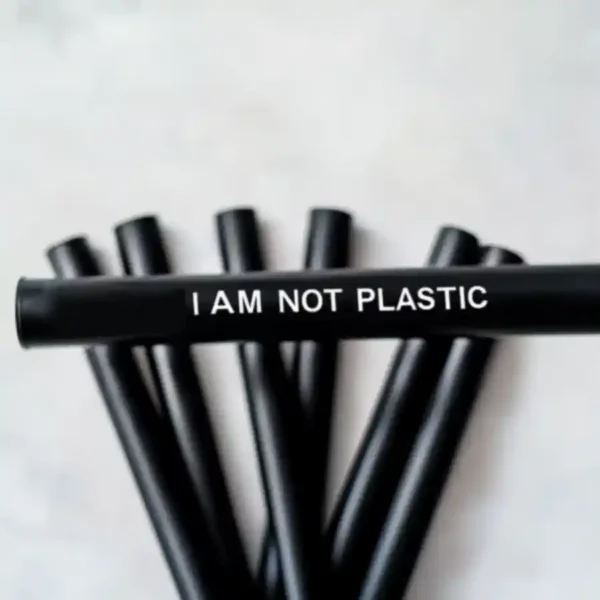
The global reliance on single-use plastic straws has reached alarming levels, with an estimated 500 million units discarded daily في الولايات المتحدة وحدها. تاريخيًا، تطورت القش من القصب الطبيعي إلى المواد البلاستيكية القائمة على النفط في منتصف القرن العشرين، مما عزز دورها كسلعة استهلاكية في كل مكان - ولكنها مدمرة للبيئة. تظهر شفاطات القهوة المطحونة كبديل مثبت علميًا، حيث تستفيد من مبادئ الاقتصاد الدائري لتحويل النفايات الزراعية إلى منتجات وظيفية وقابلة للتحلل الحيوي. تتناول هذه المقالة تكوينها وفعاليتها البيئية وتطبيقاتها العملية لكل من المستهلكين والشركات.
1. Material Composition and Manufacturing Process
من النفايات إلى المنتج الوظيفي
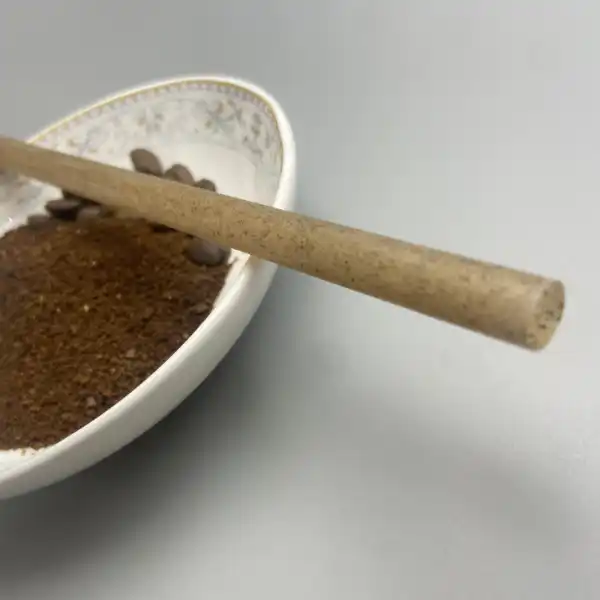
يتم تصنيع قش القهوة المطحونة من خلال مزيج خاص من مخلفات القهوة المعاد تدويرها (30-40%) و حمض البوليلاكتيك (PLA)وهو بوليمر نباتي مشتق من الموارد المتجددة مثل نشا الذرة. تتضمن عملية الإنتاج ما يلي:
- الجمع والتعقيم: Spent coffee grounds are sourced from commercial vendors, sterilized, and dehydrated.
- البثق: Grounds are combined with PLA and extruded into straw molds under controlled temperatures.
- ضمان الجودة: Straws undergo rigidity and biodegradability testing to meet international standards.
Certifications and Safety Compliance
- TÜV OK Compost Industrial: Validates full biodegradability within 180 days in industrial facilities.
- امتثال إدارة الغذاء والدواء: Ensures food-safe status, free from BPA and phthalates.

2. Environmental Impact Analysis
تقليل البصمة الكربونية
A 2022 lifecycle assessment revealed coffee grounds straws generate 60% fewer CO2 emissions compared to plastic straws, owing to waste repurposing and energy-efficient manufacturing.
Waste Diversion Potential
تقريبًا 10 million metric tons of coffee waste are generated globally each year. Repurposing 1 ton of this waste into straws offsets 2.5 tons of CO2-equivalent emissions, according to the Environmental Protection Agency (EPA).
3. Comparative Performance Against Alternatives
| مادة | المتانة (ساعات في السائل) | وقت التحلل | Carbon Footprint (kg CO2/kg) |
|---|---|---|---|
| بلاستيك | غير محدد | 200+ سنة | 3.5 |
| ورق | 0.5-1 | 2-6 أسابيع | 2.1 |
| أسباب القهوة | 4-6 | 3-6 أشهر | 1.4 |
Key Advantages
- Structural Integrity: Resists sogginess 4x longer than paper straws.
- الاستقرار الحراري: Suitable for beverages up to 80°C (176°F).
4. Implementation Strategies
للمستهلكين
- Optimal Usage: Avoid prolonged exposure to temperatures exceeding 80°C.
- إدارة نهاية الحياة:
- التسميد المنزلي: Shred straws and integrate into compost piles; full decomposition may take 12+ months.
- التسميد الصناعي: Utilize municipal facilities for faster breakdown (90–180 days).
للشركات
- المشتريات بالجملة: Partner with suppliers like شركة قش قصب السكر for volume discounts (20–30% cost reduction at 10,000+ units).
- تعليم العملاء: عرض لافتات توضح أصل القش وقابليته للتحلل.
5. Frequently Asked Questions (FAQ)
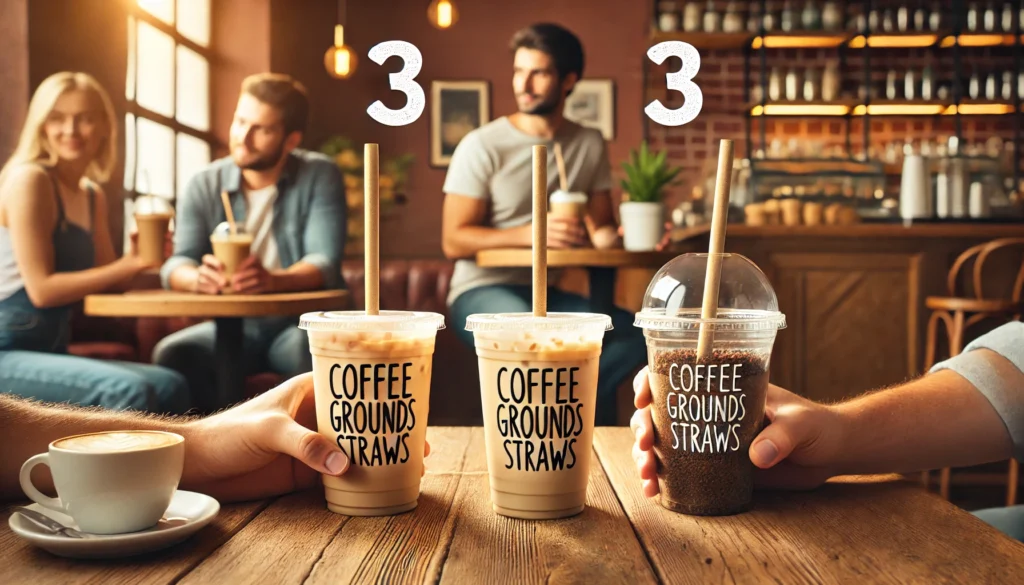
1. هل شفاطات القهوة المطحونة قابلة للتحلل حقًا؟
نعم، في ظل ظروف التسميد الصناعي (شهادة TÜV OK Compost). التسميد المنزلي ممكن ولكنه أقل كفاءة.
2. هل تضفي نكهة القهوة على المشروبات؟
لا، تتم إزالة الزيوت المتبقية أثناء التعقيم، مما يضمن طعمًا محايدًا.
3. كيف يمكن مقارنة التكاليف بالقش البلاستيكي؟
ما يقرب من 15-20٪ أعلى لكل وحدة، على الرغم من أن التسعير بالجملة يضيق هذه الفجوة.
4. هل هناك مخاطر مسببة للحساسية؟
تعمل عملية التعقيم على التخلص من البروتينات المرتبطة بحساسية القهوة (إدارة الغذاء والدواء الأمريكية، 2021).
5. هل يمكن للشركات تخصيص الشفاطات؟
Yes. Branding options include embossed logos and color variations (PLA dyes).
6. What disposal methods are recommended?
Prioritize industrial composting. Landfill disposal negates biodegradability benefits.
7. Do they comply with EU plastic bans?
Yes. Compliant with Directive (EU) 2019/904 on single-use plastics.
8. Where can I purchase them?
Direct from eco-suppliers like شركة قش قصب السكر or wholesale platforms like EcoEnclose.
6. Future Innovations and Policy Implications
التقدم التكنولوجي
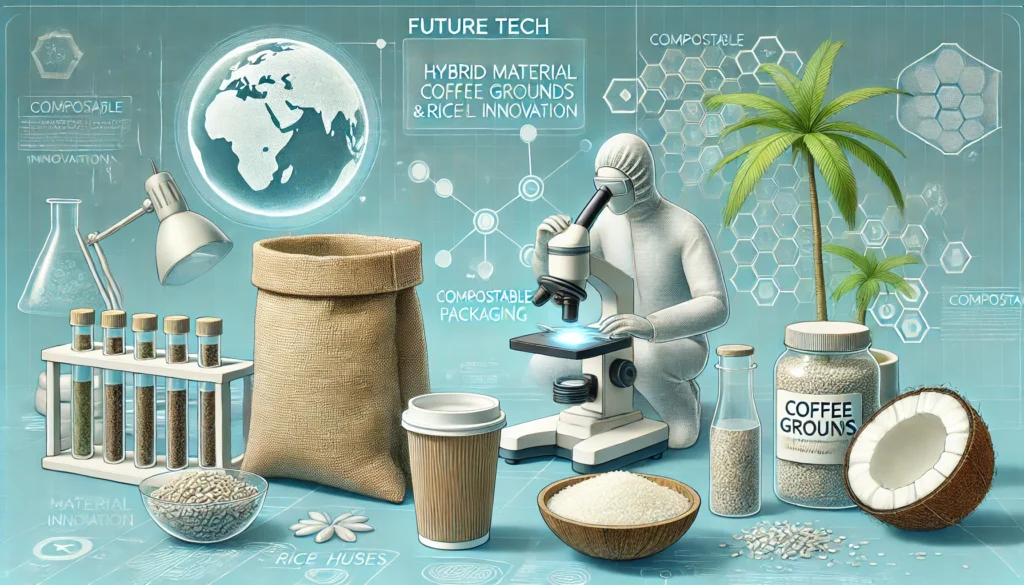
- المواد الهجينة: Research into blending coffee grounds with rice husks for enhanced tensile strength.
- Smart Tracking: Integration of QR codes to educate users on local composting options.
الاتجاهات التنظيمية
The European Union’s Circular Economy Action Plan (2023) incentivizes businesses adopting upcycled materials through tax rebates.
Conclusion: Leading the Shift to Sustainable Consumption
Coffee grounds straws exemplify the intersection of innovation and environmental stewardship. By adopting these straws, individuals and businesses collectively mitigate plastic pollution while advancing circular economy objectives. As regulatory frameworks evolve, proactive adoption positions enterprises as sustainability leaders.
الاستشهادات
- تي يو في النمسا. (2023). OK Compost Industrial Certification Criteria. https://www.tuv-at.be/compost
- وكالة حماية البيئة الأمريكية (EPA). (2022). Advancing Sustainable Materials Management. https://www.epa.gov/plastics
- المفوضية الأوروبية. (2023). توجيه المواد البلاستيكية ذات الاستخدام الواحد. https://ec.europa.eu/environment/plastics
- Starbucks Corporation. (2021). Grounds for Your Garden Initiative. https://www.starbucks.com/sustainability
- U.S. Food and Drug Administration (FDA). (2021). Food Contact Substance Regulations. https://www.fda.gov/food
- Green Business Journal. (2023). Case Study: Berlin Café Waste Reduction.
- BPI. (2022). Certified Compostable Products Directory. https://www.bpiworld.org
- نشرة التلوث البحري. (2022). تأثير القش البلاستيكي على النظم البيئية البحرية.