1. Introduction: Why the Shift Away from Plastic?
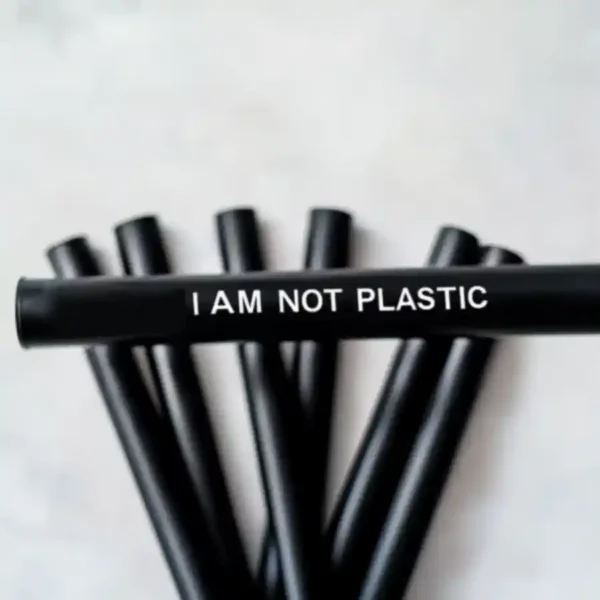
Plastic straws have become a symbol of the environmental crisis, representing the broader issue of single-use plastics. With Americans using an estimated 500 million plastic straws daily, these seemingly small items have a huge environmental impact. Plastic straws are non-recyclable, often ending up in landfills or as litter in oceans, where they can persist for over 200 years. Their accumulation in marine ecosystems endangers wildlife, as straws can be ingested or cause entanglement, leading to injury or death for marine animals .

In response, governments and consumers worldwide have pushed for change. Regulations such as the European Union’s Single-Use Plastics Directive and California’s SB-1884 initiative aim to eliminate plastic straws altogether. Meanwhile, environmentally conscious consumers are seeking sustainable alternatives, prompting businesses to explore innovative eco-friendly options .
2. The Birth of Eco-Friendly Alternatives
The journey toward sustainable straws began in the late 2000s, driven by increasing awareness of plastic pollution. The first wave of eco-friendly straws introduced materials like paper and bioplastics. While these options had reduced environmental impacts, early versions faced challenges such as fragility and limited usability.
Despite initial drawbacks, these straws paved the way for significant innovation. For example, القش الورقية, among the earliest alternatives, are biodegradable and effective for short-term use. However, issues like sogginess spurred manufacturers to develop more durable options.
Related Products on NatureBioEco.com:

3. Innovative Materials of Today
تستفيد الشفاطات الحديثة الصديقة للبيئة من المواد المتقدمة لتعزيز الاستدامة وسهولة الاستخدام. تتضمن بعض الخيارات الأكثر شهرة ما يلي:
- قش قصب السكر: مصنوعة من منتجات ثانوية زراعية، وتتميز قش قصب السكر بأنها متينة وقابلة للتحلل ولها تأثير بيئي بسيط. تعرف على المزيد حول قش قصب السكر من NatureBioEco.
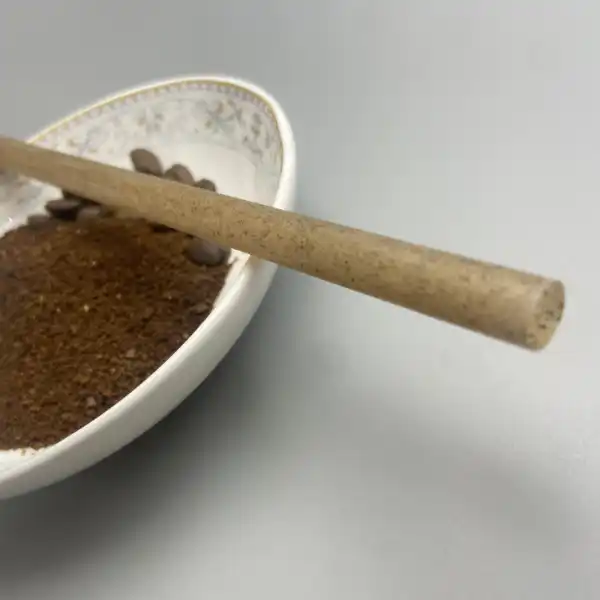
- القش المطحون للقهوة: تستخدم هذه الشفاطات نفايات صناعة القهوة، مما يوفر بديلاً قويًا ومقاومًا للحرارة ومثاليًا للمشروبات الساخنة.
- قش الخيزران: تشتهر شفاطات الخيزران بقابليتها لإعادة الاستخدام، وهي قابلة للتحلل البيولوجي وتضيف جمالية طبيعية فريدة للمشروبات.
- القش القائم على الطحالب: These straws decompose in seawater within 48 hours while absorbing CO2 during production, representing cutting-edge innovation .
Related Products on NatureBioEco.com:
Modern eco-friendly straws are designed to balance functionality with sustainability, addressing consumer demand for durable and environmentally responsible products.

4. The Future of Straws
The eco-friendly straw industry is poised for remarkable growth and transformation, driven by technological advancements and increasing consumer awareness. Some key trends include:
- Smart Materials: الابتكارات في المواد التكيفية قد تؤدي إلى قش يراقب نضارة الشراب أو يعزز النكهة باستخدام البروبيوتيك المدمج.
- لوائح أكثر صرامة: من المرجح أن تنفذ الحكومات حظراً أكثر شمولاً على المواد البلاستيكية ذات الاستخدام الواحد، مما يؤدي إلى تسريع اعتماد البدائل.
- توسيع السوق: بحلول عام 2029، من المتوقع أن يصل سوق القش الصديق للبيئة 19.68 مليار دولار، ينمو بمعدل نمو سنوي مركب قدره 12.2% .
الشركات التي تتبنى حلولًا صديقة للبيئة لا تساهم الآن في حماية البيئة فحسب، بل تتماشى أيضًا مع الاتجاهات الاستهلاكية والتنظيمية طويلة المدى.
Related Products on NatureBioEco.com:
5. Conclusion: Driving Change, One Straw at a Time

يشير التحول من القش البلاستيكي إلى القش الصديق للبيئة إلى حركة أكبر نحو عادات المستهلك المستدامة والممارسات التجارية. مع التقدم في المواد والتكنولوجيا، أصبح لدى الشركات خيارات أكثر من أي وقت مضى لتقليل تأثيرها البيئي مع تلبية متطلبات العملاء.
للشركات التي تبحث عن حلول موثوقة ومستدامة، والشراكة مع الموردين الموثوقين مثل NatureBioeco ensures access to high-quality, certified products that align with modern sustainability goals. By embracing eco-friendly alternatives, businesses can play a vital role in creating a cleaner, healthier future for our planet.