المقدمة: الطلب المتزايد على القش المستدام
مع استمرار تزايد المخاوف البيئية المحيطة بالنفايات البلاستيكية، يتجه المستهلكون والشركات على حد سواء نحو بدائل أكثر استدامة. أصبحت الشفاطات البلاستيكية، التي كانت موجودة في كل مكان في المطاعم والمقاهي، الآن مساهمًا رئيسيًا في التلوث، خاصة في البيئات البحرية. ونتيجة لذلك، ارتفع الطلب على البدائل القابلة للتحلل البيولوجي بشكل كبير. ومن بين هؤلاء، قش قصب السكر لقد برزت كحل رائد صديق للبيئة. تقدم قش قصب السكر فوائد بيئية وسهولة الاستخدام العملي، وهي تغير طريقة تفكيرنا في المنتجات التي تستخدم لمرة واحدة. تستكشف هذه المدونة سبب كون قش قصب السكر خيارًا ممتازًا للشركات والمستهلكين على حدٍ سواء، وفوائدها مقارنة بالبدائل الأخرى، وكيفية اعتمادها بنجاح.
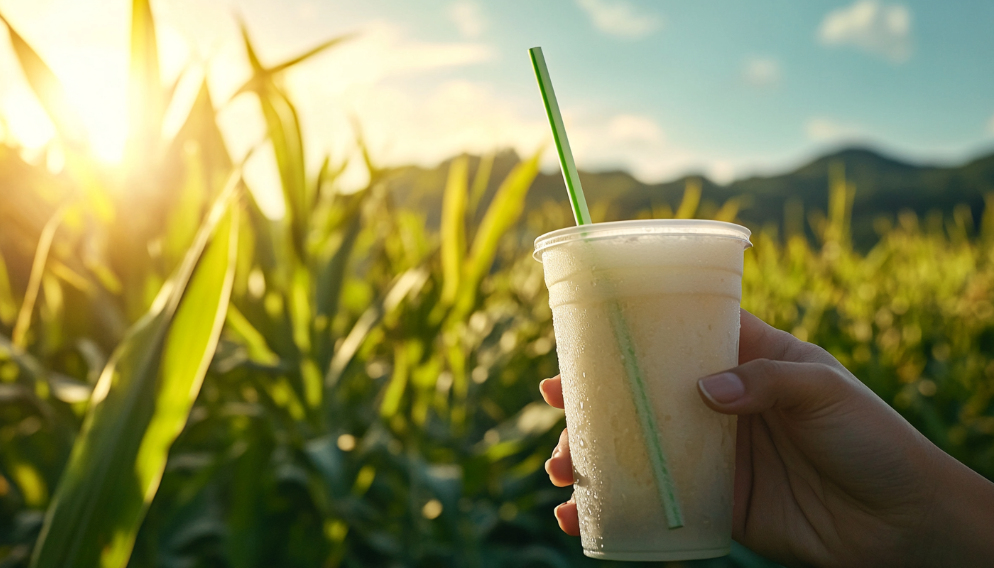
1. ما هو قش قصب السكر؟
تعريف: يُصنع قش قصب السكر من ألياف سيقان قصب السكر، وهي نتيجة ثانوية لعملية إنتاج السكر. توفر هذه المادة النباتية المتجددة بديلاً صديقًا للبيئة للقش البلاستيكي التقليدي.
تعبير: على عكس البلاستيك، الذي يمكن أن يستغرق مئات السنين للتحلل، فإن قش قصب السكر كذلك قابلة للتحلل بنسبة 100%. أنها تنهار بشكل طبيعي في الداخل 12-16 شهرا في ظروف التسميد المناسبة، مما يجعلها خيارًا مثاليًا للشركات التي تهدف إلى تقليل بصمتها البيئية.
عملية الإنتاج: يتضمن إنتاج قش قصب السكر استخدام المنتج الثانوي الليفي لقصب السكر. لا تساعد هذه العملية على تقليل النفايات فحسب، بل تقلل أيضًا من التأثير البيئي المرتبط عادةً بتصنيع البلاستيك.

2. لماذا تختار قش قصب السكر؟ فوائد للشركات والمستهلكين
تأثير بيئي: أحد الأسباب الرئيسية للتحول إلى قش قصب السكر هو تأثيرها البيئي الإيجابي الكبير. ومن خلال استبدال البلاستيك بقش قصب السكر، يمكن للشركات تقليل مساهمتها بشكل كبير التلوث البلاستيكي. تتحلل قش قصب السكر بشكل طبيعي، على عكس القش البلاستيكي، الذي قد يستغرق قرونًا للتحلل.
الاستدامة: قصب السكر هو مورد متجدد سريع النمو، ويتطلب موارد أقل بكثير مثل الأرض والمياه والطاقة مقارنة بالبدائل مثل الورق. بالإضافة إلى ذلك، يتم إنتاج قش قصب السكر كمنتج ثانوي لصناعة السكر، مما يعني أنها تساعد على تقليل النفايات ودعم الاقتصاد الدائري.
الصحة والسلامة: قش قصب السكر وافقت عليها ادارة الاغذية والعقاقير وخالية من المواد الكيميائية الضارة، مما يجعلها خيارًا آمنًا للمستهلكين. على عكس القش البلاستيكي، الذي قد يتسرب مواد كيميائية إلى الطعام أو المشروبات، فإن قش قصب السكر كذلك غير سامة و آمنة لملامسة الطعام.
فوائد عملية: قش قصب السكر قوي ومتين ومناسب لمختلف المشروبات. على عكس القش الورقية، التي يمكن أن تصبح مشبعة بسرعة وتفقد سلامتها الهيكلية، تحافظ قش قصب السكر على جودتها وأدائها في المشروبات الباردة والدافئة بشكل معتدل.
3. مقارنة قش قصب السكر بالبدائل الأخرى الصديقة للبيئة
| مادة | قابلية التحلل البيولوجي | الاستدامة | متانة | الطعم/الرائحة | يكلف |
|---|---|---|---|---|---|
| قصب السكر | ممتاز (12-16 شهرًا) | متجددة | جيد | حيادي | معتدل |
| بلاستيك | ضعيف جدًا (قرون) | غير متجددة | عالي | يمكن أن تؤثر على الذوق | قليل |
| ورق | جيد (أسابيع قليلة) | مستدام (إذا تم الحصول عليه من مصادر مسؤولة) | معتدل (قد يخفف) | يمكن أن تؤثر على الذوق | معتدل |
| الخيزران | جيد (بضعة أشهر) | متجددة | معتدل | حيادي | معتدل |
توفر قش قصب السكر مزيجًا متوازنًا من القابلية للتحلل الحيويو الاستدامة، و متانة، مع الحفاظ على طعم ورائحة محايدة، على عكس بدائل الورق أو الخيزران، والتي يمكن أن تغير نكهة المشروبات.
4. رحلة الاستدامة: من حقول قصب السكر إلى القش
قصب السكر هو سلبي الكربون المحاصيل، مما يعني أنها تمتص ثاني أكسيد الكربون أكثر مما تنتجه. خلال مرحلة النمو، يلتقط قصب السكر الكربون ويساعد على تخفيف الآثار البيئية لانبعاثات الغازات الدفيئة. كما تضمن عملية تصنيع قش قصب السكر الحد الأدنى من التأثير البيئي. لا يتم استخدام أي مواد كيميائية ضارة في إنتاجها، مما يجعلها بديلاً أنظف وأكثر خضرة للبلاستيك.
أ تحليل دورة الحياة يُظهر أن قش قصب السكر له بصمة كربونية أقل بكثير مقارنة بالبلاستيك، الذي يعتمد بشكل كبير على أساليب الإنتاج كثيفة الاستخدام للنفط والطاقة.
5. التحديات في اعتماد قش قصب السكر
على الرغم من فوائدها العديدة، هناك بعض التحديات المرتبطة باعتماد قش قصب السكر:
- فرق السعر: عادة ما تكلف قش قصب السكر أكثر من القش البلاستيكي التقليدي، مما قد يردع الشركات الحساسة للأسعار، وخاصة تلك العاملة في صناعة الخدمات الغذائية.
- التوفر: في بعض المناطق، يكون توافر قش قصب السكر محدودًا، مما قد يجعل الشراء بالجملة أمرًا صعبًا بالنسبة للشركات التي تتطلع إلى التحول إلى هذا البديل.
- التعليم والتوعية: غالبًا ما يكون هناك نقص في فهم الفوائد البيئية والعملية لقش قصب السكر. قد لا يفهم كل من الشركات والمستهلكين بشكل كامل كيف يمكن أن يساهم التحول إلى قش قصب السكر في تقليل النفايات البلاستيكية.
6. أفضل الممارسات للشركات: كيفية التحول إلى استخدام قش قصب السكر
يجب على الشركات التي ترغب في التحول إلى قش قصب السكر أن تأخذ في الاعتبار أفضل الممارسات التالية:
- إجراء تحليل التكلفة والعائد: تقييم الفوائد طويلة المدى للتحول إلى قش قصب السكر، بما في ذلك التوفير المحتمل في تكاليف إدارة النفايات وتحسين صورة العلامة التجارية من كونها صديقة للبيئة.
- الشراء بكميات كبيرة: يمكن أن يساعد الشراء بالجملة في تقليل تكلفة الوحدة، مما يجعل قش قصب السكر في متناول الشركات.
- التخصيص: تقدم العديد من الشركات المصنعة خيارات تخصيص للشركات لإضافة علامتها التجارية إلى قش قصب السكر. يمكن أن يساعد ذلك في تعزيز جهود الاستدامة وإيصال قيم العلامة التجارية الصديقة للبيئة للعملاء.
- تثقيف الموظفين والعملاء: تشجيع الشركات على تثقيف الموظفين والعملاء حول الفوائد البيئية لقش قصب السكر وكيفية التخلص منها بشكل صحيح.

7. مستقبل قش قصب السكر: الاتجاهات والابتكارات
ومع انتشار الحظر البلاستيكي على نطاق أوسع، من المتوقع أن يرتفع الطلب على القش القابل للتحلل مثل قصب السكر. ويتغذى هذا الطلب أيضًا على الحركة العالمية المتنامية نحو ممارسات أكثر استدامة. تشير توقعات السوق إلى أن سوق المنتجات القابلة للتحلل سيستمر في النمو مع سعي المستهلكين بشكل متزايد الحلول النباتية.
كما تظهر ابتكارات في مجال المواد القابلة للتحلل الحيوي. على سبيل المثال، قد تحدث تطورات مستقبلية الطلاءات الصالحة للأكل للقش أو المواد الهجينة التي تجمع بين قصب السكر والألياف النباتية الأخرى لمزيد من المتانة والأداء الوظيفي.
8. كيفية التخلص بشكل صحيح من قش قصب السكر
يجب أن يكون قش قصب السكر مثاليًا سماد في أي منهما مرافق التسميد التجارية أو صناديق السماد المنزلية حيثما كان ذلك متاحا. على الرغم من أنها قابلة للتحويل إلى سماد في المقام الأول، إلا أنه يمكن للشركات التعاون مع خدمات إدارة النفايات المحلية لضمان اتباع طرق التخلص المناسبة.
وبما أن قش قصب السكر مصنوع من مواد متجددة، فإنه يساهم بشكل إيجابي في الاقتصاد الدائري عند التخلص منه بشكل صحيح.
9. الأسئلة المتداولة (FAQs)
- هل قش قصب السكر قابل للتحلل؟ نعم، يتحلل قش قصب السكر بشكل طبيعي خلال 12-16 شهرًا في بيئات التسميد.
- هل يمكن استخدامها للمشروبات الساخنة؟ في حين أن قش قصب السكر يعمل بشكل أفضل مع المشروبات الباردة، إلا أنه يمكنه التعامل مع المشروبات الدافئة بشكل معتدل ولكن لا ينصح به للسوائل الساخنة جدًا.
- هل هي آمنة للأطفال؟ نعم، قش قصب السكر غير سام ومعتمد من إدارة الغذاء والدواء، مما يجعله خيارًا آمنًا للأطفال.
10. الخلاصة: لماذا يعتبر قش قصب السكر مستقبل الشرب المستدام
في الختام، تقدم قش قصب السكر بديلاً ممتازًا للقش البلاستيكي التقليدي، حيث تقدم مزيجًا من الفوائد البيئيةو متانة، و سهولة الاستخدام العملي. ومن خلال التحول إلى قش قصب السكر، يمكن للشركات تعزيز إنتاجها جهود الاستدامة، والحد من النفايات البلاستيكية، وتلبية احتياجات قاعدة متنامية من المستهلكين المهتمين بالبيئة. مع قيام المزيد من المناطق بتنفيذ حظر على البلاستيك وزيادة الطلب على المنتجات القابلة للتحلل الحيوي، فإن قش قصب السكر يستعد ليصبح لاعبًا رئيسيًا في التحول نحو حلول أكثر استدامة.