مقدمة
لا تزال قضية التلوث البلاستيكي المنتشرة تتطلب حلولاً عاجلة وفعالة. تساهم المواد البلاستيكية ذات الاستخدام الواحد، وخاصة المواد مثل القش، بشكل كبير في التدهور البيئي، حيث ينتهي الأمر بملايين منها في مدافن النفايات والممرات المائية والمحيطات كل عام. ونتيجة لذلك، ظهرت الشفاطات الصديقة للبيئة كبديل مستدام، واكتسبت قوة جذب بين الشركات والمستهلكين الذين يسعون إلى تقليل تأثيرها البيئي. ومع ذلك، أدى انتشار المنتجات "الخضراء" إلى زيادة في الادعاءات المضللة، والتي يشار إليها غالبًا باسم "الغسل الأخضر". ولذلك، تعد الشهادات البيئية ضرورية للتحقق من صحة مطالبات الاستدامة وبناء ثقة المستهلك. سيوفر هذا المنشور دليلاً تفصيليًا خطوة بخطوة حول كيفية الحصول على شهادات بيئية موثوقة لشفاطاتك الصديقة للبيئة، مما يضمن أن منتجاتك تلبي المعايير الصارمة وتساهم في مستقبل أكثر استدامة.

لماذا تعتبر الشهادات مهمة بالنسبة للشفاطات الصديقة للبيئة
The path to sustainability is paved with good intentions, but also with the potential for misleading marketing. Here’s why certifications are crucial:
The Problem of Greenwashing
In the foodservice and hospitality industry, the term “greenwashing” is increasingly relevant. Many companies make unsubstantiated claims about their products’ environmental benefits, making it difficult for businesses to distinguish truly sustainable options. Certifications from reputable third-party agencies offer validation of eco-claims, ensuring that your products meet specific, measurable standards.
Consumer Trust and Brand Reputation
Today’s consumers are increasingly aware of environmental issues and actively seek out sustainable products. By obtaining certifications, your business demonstrates a commitment to environmental responsibility, thereby enhancing your brand image and cultivating loyalty among eco-conscious customers. According to a study by Nielsen, 66% of global consumers are willing to pay more for sustainable brands.
الامتثال للوائح
Many regions have implemented bans on single-use plastics, including straws. Environmental certifications can help your business comply with these evolving regulations and avoid potential legal penalties. For example, some ordinances allow products that meet أستم D6400 أو D6868 standards with BPI certification.
The Competitive Edge
Sustainable practices are no longer optional; they are becoming a key differentiator in the marketplace. Businesses that prioritize sustainability often attract customers who are willing to support companies that share their values.
فهم المصطلحات الأساسية: قابلة للتحلل، وقابلة للتحلل، والمزيد
Navigating the world of sustainable materials requires a clear understanding of key terminology:

- قابلة للتحلل: This term refers to a material that breaks down naturally over time through the action of microorganisms such as bacteria and fungi. However, the rate and conditions under which this occurs can vary significantly.
- سماد: Compostable materials not only biodegrade but also do so within a specific timeframe under specific conditions, resulting in nutrient-rich soil. This process typically occurs in a composting environment. For more information, check out our guide to compostable straws.
- الصفحة الرئيسية سماد: These materials are designed to break down in typical backyard compost bins or piles.
- Industrial Compostable: These materials require industrial composting facilities with controlled environments, higher temperatures, and specific conditions to break down.
- Marine Degradable: تم تصميم هذه المواد خصيصًا للتحلل في البيئات البحرية، وتخفيف الضرر الذي يلحق بالحياة البرية وتقليل التلوث البلاستيكي الدقيق.
- قائم على أساس حيوي: المواد الحيوية مشتقة من موارد متجددة، على عكس مصادر الكربون غير المتجددة المعتمدة على الوقود الأحفوري مثل البترول.
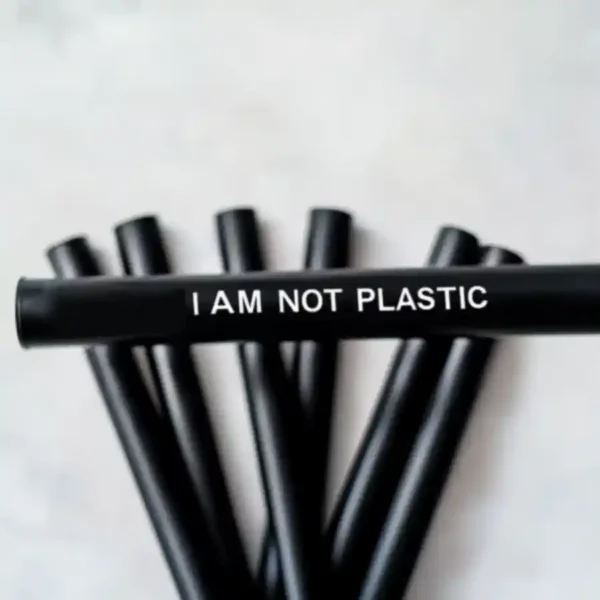
- خالية من البلاستيك: يشير هذا المصطلح إلى المنتجات التي لا تحتوي على البلاستيك أو البترول، مما يدل على الالتزام بتجنب هذه المواد.

دليل خطوة بخطوة للحصول على الشهادات
يتطلب الحصول على الشهادات البيئية التخطيط والتنفيذ الدقيق. هنا دليل مفصل:
الخطوة 1: اختيار المواد
Choosing the right materials is crucial for achieving sustainability and obtaining certifications. Opt for plant-based polymers, sugarcane, bamboo, or wheat, ensuring that they are ethically sourced. Avoid materials that may lead to environmental harm, such as monoculture forests. Consider using waste products, like agave or sugarcane fiber, which repurpose existing resources. For more insights on selecting the best eco-friendly straws, visit Straws-Berry’s guide.
Step 2: Research and Select Relevant Certifications
Different certifications apply to different materials and disposal methods. Research and select certifications that align with your product and business goals. Some key certifications include:
- BPI (معهد المنتجات القابلة للتحلل): A widely recognized third-party certification program that verifies the compostability of products.
- TÜV AUSTRIA: Offers certifications for both industrial and home compostability.
- FSC (Forest Stewardship Council): Crucial for paper straws, ensuring that the paper comes from sustainably managed forests.
- برنامج USDA BioPreferred: Certifies products as biobased, promoting the use of renewable resources.
- CMA (Compost Manufacturing Alliance): Provides the CMA-S program to ensure that products break down effectively in real-world composting facilities.
Step 3: Testing and Verification
Engage reputable third-party laboratories for thorough and impartial testing. Key tests include:
- ASTM D6866-20: Assesses biobased content by measuring carbon 14 content.
- ASTM D6400 and ASTM D6868: Standards for compostability in municipal and industrial composting facilities.
- ASTM D1179: Verifies the absence of Fluorine and PFAS.
- ISO 14855 and ISO 20200: Used in testing for home compostability.
- Food Contact Safety Migration Tests: Utilizing methods like UN 13130-1:2004و CEN/TS 13130-23:2005، و U.S. FDA 21 CFR 176.170. These tests ensure that the straws are safe for use. Independent testing for heavy metals, chemical residues, and BPA should also be conducted.
Step 4: Documentation and Application
Compile all necessary documentation, including chain of custody documents that validate that the raw materials are derived from sustainable forestry practices, and material characteristic reports. Submit a formal application to the certification bodies you have chosen, and be aware of the timelines and costs associated with certification.
Step 5: Ongoing Monitoring and Compliance
Implement regular batch testing to ensure that your straws consistently meet certification standards. Conduct periodic audits to maintain compliance and transparency. Share your test results and certifications with consumers to build trust and demonstrate accountability.
الغوص العميق في شهادات محددة
Understanding the details of each certification can guide you in your choices.
- معهد المنتجات القابلة للتحلل الحيوي (BPI): BPI certification requires that products meet the أستم D6400 standard for compostability, which includes a minimum 90% biodegradation within six months in an industrial composting facility.
- TÜV AUSTRIA: TÜV AUSTRIA offers certifications for both industrial and home compostability. Industrial compostability requires at least 90% biodegradation within six months under ASTM D6400. Home compostability requires at least 90% biodegradation within one year using ISO 14855, and at least 90% disintegration within 26 weeks using ISO 20200.
- Forest Stewardship Council (FSC): FSC certification ensures that the paper used in paper straws is sourced from responsibly managed forests, preventing deforestation and protecting ecosystems.
- برنامج USDA BioPreferred: The USDA BioPreferred program certifies that products are made from renewable, biobased resources. This program uses ASTM D6866-20 to determine the percentage of biobased content.
- Compost Manufacturing Alliance (CMA): The CMA-S program goes beyond lab testing by conducting rigorous field disintegration testing, ensuring that certified products break down in real-world composting conditions.
- Other Relevant Certifications: Fair Trade certification applies to straws made from materials sourced under fair labor conditions.
ما بعد القابلية للتسميد: نهج شمولي للاستدامة
While compostability is important, a holistic approach to sustainability considers the entire life cycle of a product:
- Life Cycle Analysis (LCA): قم بتقييم التأثير البيئي للقش الخاص بك بدءًا من مصادر المواد الخام وحتى التصنيع والنقل والتخلص. سيساعد ذلك في تحديد مجالات التحسين وضمان منتج مستدام حقًا.
- المصادر الأخلاقية: تأكد من التزام سلاسل التوريد الخاصة بك بممارسات العمل العادلة.
- شفافية سلسلة التوريد: تنفيذ أنظمة لتتبع أصول المواد الخاصة بك وضمان الشفافية الكاملة.
- تقليل البصمة الكربونية: إعطاء الأولوية للتصنيع المحلي لتقليل البصمة الكربونية المرتبطة بالنقل.

معالجة المخاوف المشتركة
It is important to consider the limitations and challenges associated with different materials:
- The Limitations of Paper Straws: Paper straws, while often seen as a solution, can be expensive and may not maintain their integrity when left in a drink. Some also contain PFAS. Learn more about quality eco-friendly paper straws.
- The Problem with Bioplastics: Many bioplastics require industrial composting, may contain high levels of resources from non-renewable sources, and may contribute to downstream waste.
- The “Marine Degradable” Claim: While some straws are designed to break down in marine environments, proper disposal is always the best practice. These straws should not be disposed of in marine environments, but in the unfortunate instance that they end up there, the material will break down due to bacteria consumption.
- The Importance of Proper Disposal: Ensure that appropriate composting facilities are available and educate consumers on proper disposal methods.
نصائح عملية للشركات
Businesses can facilitate a smooth transition to certified eco-friendly straws by following these practical tips:

- تدريب الموظفين: Educate your staff on the benefits of sustainable straws, proper disposal, and how to communicate this to customers.
- التواصل مع العملاء: Inform customers about your transition to eco-friendly straws through signage, menu notes, and direct communication.
- Managing Costs: Explore bulk purchasing options and conduct a thorough cost-benefit analysis.
- Reducing Straw Usage: Ask guests about their preferences and only provide straws when needed.
- Incentivize Reusable Straws: Encourage customers to bring their own reusable straws with small discounts or incentives.
- تجربة المستخدم: Choose straws that perform well, are comfortable to use, and maintain their shape.
- Align with Brand Values: Select straws that align with your brand’s look and sustainability values. For example, EcoStraws offers a range of biodegradable straws that meet various certifications.
الابتكار ومستقبل القش المستدام
The field of sustainable materials is constantly evolving, with exciting new options on the horizon:
- Emerging Materials: Explore innovative materials like PHA and AirCarbon, which offer promising solutions for sustainability.
- التحسين المستمر: Stay informed about the latest innovations in sustainable materials and manufacturing practices to ensure you are using the best options.

دراسات الحالة وقصص النجاح
Real-world examples demonstrate the benefits of using certified eco-friendly straws:
- High-End Hotel Chain: A high-end hotel chain successfully replaced all plastic straws with sugarcane fiber straws and received positive customer feedback.
- Coastal Restaurant: A coastal restaurant introduced bamboo straws, aligning with their brand emphasis on natural products and improving customer loyalty.
- Cocktail Bar: A cocktail bar switched to stainless steel straws, enhancing their upscale aesthetic while reducing waste.
خاتمة
Achieving environmental certifications for eco-friendly straws is a critical step toward sustainability. By understanding the key terms, following the step-by-step guide, and choosing appropriate certifications, businesses can make a significant positive impact. Certified straws not only reduce plastic pollution but also build customer trust, comply with regulations, and enhance brand reputation. It’s time for all businesses to embrace sustainable practices and take the first steps toward a more environmentally conscious future.
We invite you to share your experiences or ask further questions in the comments below. Let’s work together to create a more sustainable world, one straw at a time.
الأسئلة المتداولة (الأسئلة الشائعة)
- What are the most common environmental certifications for eco-friendly straws?
Common certifications for eco-friendly straws include BPI, which certifies compostable products, and Cradle to Cradle, which evaluates product sustainability across multiple criteria. - How do I know if a certification is legitimate or just “greenwashing”?
Look for certifications from reputable organizations like BPI, ASTM, and Cradle to Cradle. These certifications are recognized by the industry and adhere to rigorous environmental standards. Be cautious of claims without third-party validation. - Are all compostable straws the same?
No, compostable straws vary depending on whether they are designed for home composting or require industrial composting. Make sure to check product details before purchasing to confirm the type of compostability. - Can my eco-friendly straws be both biodegradable and compostable?
Yes, straws can be both biodegradable and compostable, but they must meet specific criteria for compostability, such as breaking down within a specified timeframe under the right conditions. - Where can I find reliable compostable straws?
Look for vendors that hold reputable certifications (e.g., BPI, TÜV AUSTRIA). You can also explore Nature Bio Eco’s customizable sugarcane straws for an eco-friendly option. - How can I ensure my custom straws are truly eco-friendly?
Verify certifications from organizations like BPI or TÜV AUSTRIA, choose materials that align with your sustainability goals, and work with reputable suppliers who prioritize environmental responsibility. - Do reusable straws require special maintenance?
Yes, reusable straws like stainless steel or silicone should be cleaned regularly to maintain hygiene. Many come with cleaning brushes or are dishwasher safe for easy maintenance.
روابط خارجية لمزيد من القراءة
- How to Choose the Best Eco-Friendly Straws for Your Business
- Eco Straws: A Restaurant Buyer’s Guide to Plastic-free Bar Supplies
- Understanding Compostable & القش القابلة للتحلل
- Reduce and Reuse: Your Carbon Footprint and Reusable Straws
- Straw, Sustainable straw, Uses of straw
- Biodegradable Straws: Navigating Regulations and …
- Understanding Compostable & القش القابلة للتحلل
- Tested And Certified Biodegradable Compostable Straws
- Tips for Finding Quality Eco-Friendly Paper Straws
- Eco Credentials
- Biodegradable Straws: Navigating Regulations and …
- Top Tips for Getting Your Compostable Straws Customized
- Compostable Straw in Canada: Compliance, Certifications …
- Certifications – Sugarcane Straws