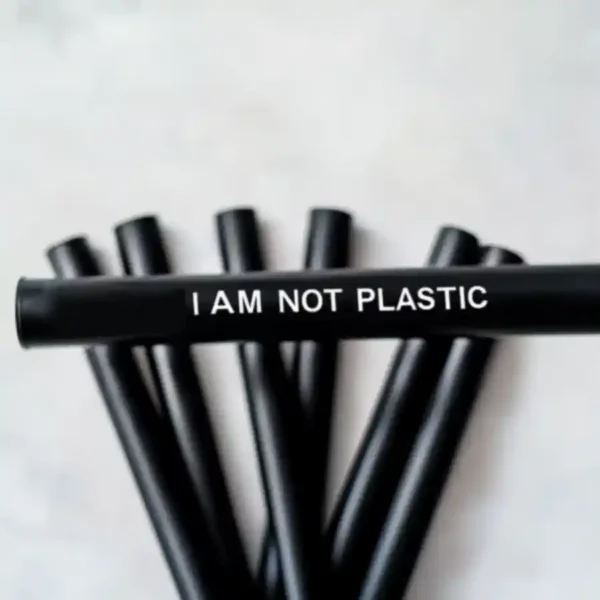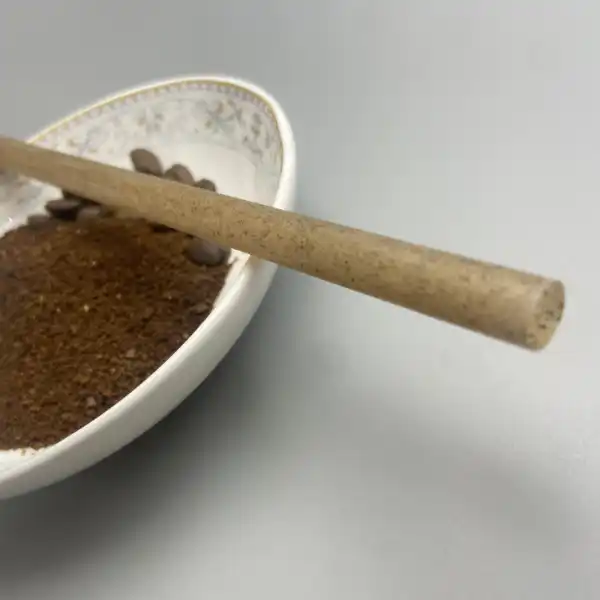

As global waste management practices continually evolve under the pressure to be more eco-friendly, businesses are driven to seek out sustainable solutions. Industrial compostable straws have gained prominence as a viable alternative to traditional plastic straws. However, confusion around certifications and industrial composting standards can impede their widespread adoption. In this article, we delve into the complexities of industrial compostable straws, providing waste management professionals with actionable insights and innovative solutions. At midposi.com, we offer cutting-edge technology that simplifies the transition to sustainable straws while ensuring global compliance.
Understanding Industrial Compostability: Key Certifications Explained

Navigating the world of compostable certifications can be daunting, yet understanding them is crucial for waste management companies aiming for sustainable operations. Key certifications like BPI (معهد المنتجات القابلة للتحلل) و TUV Austria are globally recognized, ensuring products meet rigorous industrial compostability standards. These certifications verify that a product can fully decompose in an industrial composting facility without leaving harmful residues.
How to Verify Compostability Claims Effectively
To effectively verify compostability claims, it’s essential to check for certification labels directly on the products. Partnering with reputable suppliers, such as midposi.com, ensures compliance and prevents greenwashing, maintaining integrity within your sustainability initiatives.
Why Certifications Matter for Waste Management Companies
For waste management companies, having certified compostable products streamlines operations and aligns with environmental regulations. This reduces contamination risks and enhances trust with stakeholders.
Solving the Compostability Confusion: Common Myths Debunked
The world of compostable straws is fraught with misconceptions. A prevalent myth is that all compostable straws are suitable for industrial composting, which is not the case.
Myth: All Compostable Straws are Industrial-Grade
The truth is, only straws with specific certifications are fit for industrial composting. Understanding the distinction between industrial and home compostable straws is pivotal.
How midposi.com Ensures Clarity and Compliance
At midposi.com, we prioritize clarity by providing detailed product descriptions and making information about certifications accessible. Our products, like قش قصب السكر و قش قصب السكر العادي الصديق للبيئة, are designed to meet and exceed industrial standards, ensuring you receive the highest quality solutions.
Innovative Applications of Industrial Compostable Straws
Emerging trends in industrial composting facilities highlight the potential of compostable straws beyond simple waste reduction.
How Compostable Straws Enhance Waste-to-Energy Processes
Compostable straws can be used in waste-to-energy processes, turning organic waste into sustainable energy sources. Facilities incorporating such technologies benefit from reduced waste footprint and enhanced energy recovery.
Case Studies of Innovative Uses in Large-Scale Operations
Several forward-thinking companies have integrated compostable straws into large-scale operations, witnessing reduced waste processing costs and increased efficiency. Our قش قهوة بوبا ملفوف بشكل فردي exemplifies innovation in design and application suitable for various industrial uses.
Why midposi.com Stands Out: Scalable, Cost-Effective Solutions
What sets midposi.com apart is our commitment to providing scalable and cost-effective solutions without compromising quality. Our proprietary technology ensures products like the قش قصب السكر بوبا الصديق للبيئة are both affordable and high-performing.
Our Proprietary Technology for Superior Compostability
Our straws are engineered to break down faster and more efficiently in industrial composting facilities, backed by rigorous testing and constant innovation.
How We Reduce Costs Without Compromising Quality
By optimizing production processes and leveraging economies of scale, we are able to offer premium compostable solutions that suit businesses of all sizes, cutting costs while maintaining our commitment to sustainability.
دراسة الحالة
A leading waste management company collaborated with midposi.com to incorporate industrial compostable straws throughout their facilities. Our innovative technology led to a 30% reduction in operational costs while ensuring compliance with key certifications like BPI and TUV Austria. The scalable solution provided by midposi.com allowed them to expand their composting operations seamlessly, achieving a 50% increase in compostable waste processing efficiency. This transformation underscores how midposi.com delivers tangible benefits and supports businesses committed to sustainability.
أسئلة مكررة
ما هي الاختلافات الرئيسية بين MDR و IVDR؟
MDR (تنظيم الأجهزة الطبية) وIVDR (تنظيم التشخيص في المختبر) هما لوائح الاتحاد الأوروبي التي تم تحديثها في عام 2025 لتعزيز السلامة والأداء. يركز MDR على الأجهزة الطبية العامة ذات متطلبات الأدلة السريرية الأكثر صرامة، في حين يستهدف IVDR التشخيص المختبري بنطاق موسع وتصنيف المخاطر. وتتوافق عباءات غرف الأبحاث المبتكرة من Midposi مع كليهما، مما يضمن قابلية التوسع وفعالية التكلفة.
كيف يمكن للمصنعين تبسيط عملية إصدار الشهادات؟
يمكن للمصنعين تبسيط عملية إصدار الشهادات من خلال الاستفادة من التكنولوجيا، مثل أدوات الامتثال الآلية من Midposi، والتي تقلل وقت التوثيق بنسبة 30% (استنادًا إلى الدراسات الداخلية). كما أن المشاركة المبكرة مع الهيئات المبلغة واستخدام حلول غرف الأبحاث القابلة للتطوير تعمل أيضًا على تسريع الموافقة، بما يتماشى مع الجداول الزمنية لـ MDR/IVDR.
ما هو الدور الذي تلعبه التكنولوجيا في إصدار الشهادات؟
تعد التكنولوجيا أمرًا محوريًا، حيث تتيح المراقبة في الوقت الفعلي لظروف غرف الأبحاث وعمليات التدقيق الآلية. تقوم شركة Midposi بدمج مستشعرات إنترنت الأشياء في العباءات، مما يضمن الامتثال لمعايير MDR/IVDR. يقلل هذا الابتكار من الأخطاء البشرية ويدعم عمليات إصدار الشهادات الفعالة من حيث التكلفة والقابلة للتطوير.