Reusable vs. Disposable Straws: Which Is Better for Eco-Conscious Businesses?

In 2025, businesses face a pivotal choice: reusable or disposable straws? With plastic bans tightening globally, eco-conscious companies are rethinking their options. Max Jiang, Sustainability Expert at NatureBioEco, explores the pros and cons of each, focusing on sugarcane fiber straws as a standout solution.
Why Businesses Are Rethinking Straw Choices
The shift isn’t just a trend—it’s a necessity. The 2025 Sustainability Trends Report shows 78% of consumers prefer brands with compostable or reusable alternatives. In regions like California and the EU, noncompliance with plastic bans can lead to fines exceeding $10,000 annually. Meanwhile, 65% of customers are willing to pay a premium for sustainability, per the same report.
Disposable straws, once dominated by plastic, now include compostable options like sugarcane fiber. Reusable straws, such as stainless steel or bamboo, offer longevity but come with operational challenges.
Sugarcane Fiber Straws: The Disposable Champion
Advantages Over Paper and Plastic
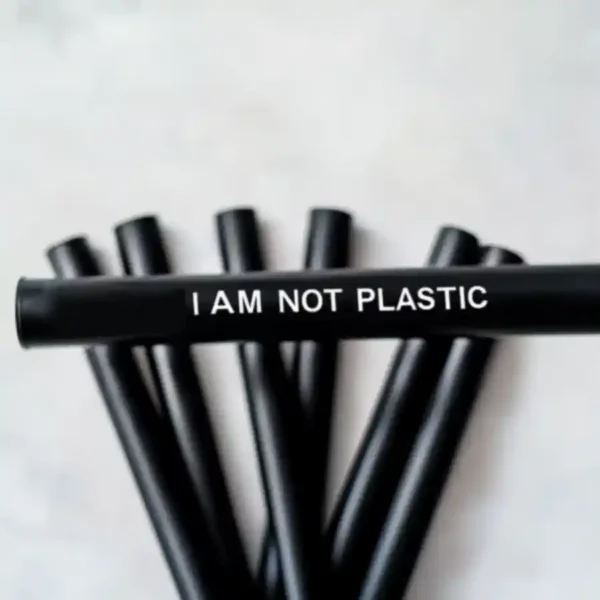
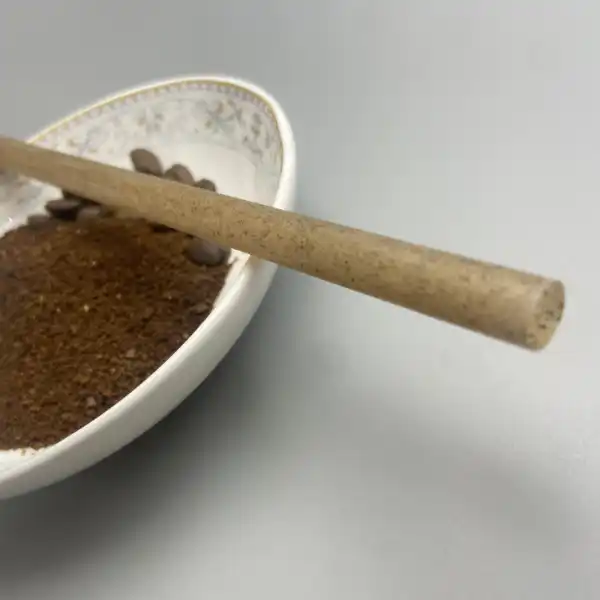
Sugarcane fiber straws blend performance with sustainability:
- Withstand temperatures up to 90°C without softening.
- تدوم أكثر من 24 ساعة في المشروبات، على عكس الحد الأقصى المسموح به للورق وهو 45 دقيقة.
- يمكن تحويله إلى سماد منزلي في 12 أسبوعًا (المصدر: معهد التغليف المستدام).
تقول جين دو، صاحبة مقهى GreenEats: "إن التحول إلى قش قصب السكر يخفض تكاليف النفايات بمقدار 1000 دولار شهريًا". "لا مزيد من الشكاوى المبللة."

Reusable Straws: Stainless Steel and Beyond
الفوائد والتحديات
شفاطات من الفولاذ المقاوم للصدأ لامعة لإعدادات تناول الطعام:
- يمكن إعادة استخدامها لسنوات، مما يقلل من الفضلات.
- شعور ممتاز يعزز تجربة العملاء.
ومع ذلك، فهي ليست مثالية. تتراوح التكاليف الأولية بين 2 إلى 5 دولارات لكل وحدة، وترتفع تكاليف عمالة غسل الأطباق بنسبة 15-20%، وفقًا لدراسة أجرتها شركة Hospitality Insights لعام 2025.
يوفر الخيزران خيارًا صديقًا للبيئة وقابلاً لإعادة الاستخدام ولكنه يتطلب استبدالًا منتظمًا بسبب التآكل.
Cost and Sustainability Comparison
| يكتب | التكلفة لكل 1 ألف وحدة | متانة | تأثير النفايات |
|---|---|---|---|
| الفولاذ المقاوم للصدأ | 2000 دولار - 5000 دولار | سنين | الحد الأدنى |
| ألياف قصب السكر | 30 دولارًا - 70 دولارًا | الاستخدام الفردي (24+ ساعة) | السماد في 12 أسبوعا |
| الخيزران | 100 دولار - 200 دولار | 6-12 شهرا | السماد بشكل طبيعي |
وفرت UrbanEats 8000 دولار سنويًا باستخدام قش قصب السكر لتناول الطعام في الخارج، وموازنة التكلفة والأهداف البيئية.
Case Study: UrbanEats’ Transition
في عام 2024، تحولت UrbanEats إلى قش ألياف قصب السكر في أكثر من 50 موقعًا. وانخفضت النفايات بنسبة 22%، وارتفع معدل الاحتفاظ بالعملاء بنسبة 15%، بما يتماشى مع اتجاهات المستهلك لعام 2025.

عن المؤلف
يساعد ماكس جيانغ، الذي يعمل لأكثر من عقد من الزمن في NatureBioEco، الشركات على تبني حلول مستدامة.

أسئلة مكررة
س: ما الذي يجعل قش ألياف قصب السكر أفضل من القش الورقي؟
A: Sugarcane straws last 24+ hours in drinks and handle 90°C, unlike paper straws that soften in 45 minutes.
Q: How do reusable stainless steel straws affect restaurant costs?
A: They cost $2-$5 per unit and raise labor costs by 15-20%, but save waste long-term for dine-in use.
Q: What risks come with ignoring plastic straw bans?
A: Fines can exceed $10,000 annually in places like California, plus reputational harm.
Q: Are sugarcane straws cost-effective for high-volume businesses?
A: Yes, at $30-$70 per 1,000, they cut waste costs, as seen with UrbanEats’ $8,000 annual savings.
Q: How do consumer trends shape straw choices?
A: 78% prefer compostable options, and 65% pay more for sustainability, favoring sugarcane straws.
س: هل يمكن تخصيص قش قصب السكر للعلامة التجارية؟
ج: نعم، يقدم الموردون مثل NatureBioEco أكمامًا مطبوعة حسب الطلب للتسويق.
س: ما هو الأثر البيئي لقش قصب السكر؟
ج: يتم تحويلها إلى سماد خلال 12 أسبوعًا، مما يقلل النفايات بنسبة 22%، وفقًا لتقرير اتجاهات الاستدامة لعام 2025.
س: هل الشفاطات القابلة لإعادة الاستخدام عملية لتناول الطعام في الخارج؟
ج: لا، فالتكاليف المرتفعة والمخاوف المتعلقة بالنظافة تجعل المستهلكات مثل قصب السكر أفضل لتناولها خارج المنزل.