""أتش تي أم أل
الحتمية البيئية: الحد من النفايات البلاستيكية

تأثير التلوث البلاستيكي على النظم البيئية
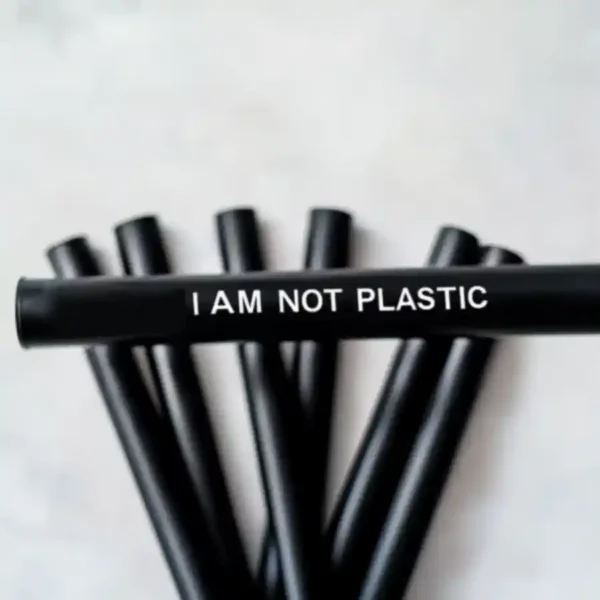
بلاستيك استعمال مرة واحدة القش من مجموعة منتجاتنا تعتبر مصدرًا مهمًا للتلوث العالمي، حيث ينتهي الأمر بالملايين منها في مدافن النفايات والمحيطات كل عام. غالبًا ما تخطئ الحيوانات البحرية في اعتبار هذه الشفاطات طعامًا، مما يؤدي إلى ابتلاعها وعواقب مميتة محتملة. قدرت دراسة نشرت عام 2015 في مجلة Science أن ما بين 4.8 و12.7 مليون طن متري من النفايات البلاستيكية تدخل المحيط سنويًا (Jambeck et al., 2015). تصور هذا: ما يكفي من القش للالتفاف حول محيط الأرض عدة مرات. هذه ليست مجرد قذى للعين. إنها كارثة على الحياة البحرية. على سبيل المثال، غالبًا ما تخطئ السلاحف البحرية في اعتبار الشفاطات البلاستيكية بمثابة قناديل البحر، وهو عنصر أساسي في نظامها الغذائي. يمكن أن يؤدي الابتلاع إلى انسداد في أجهزتهم الهضمية، والجوع، وفي النهاية الموت.

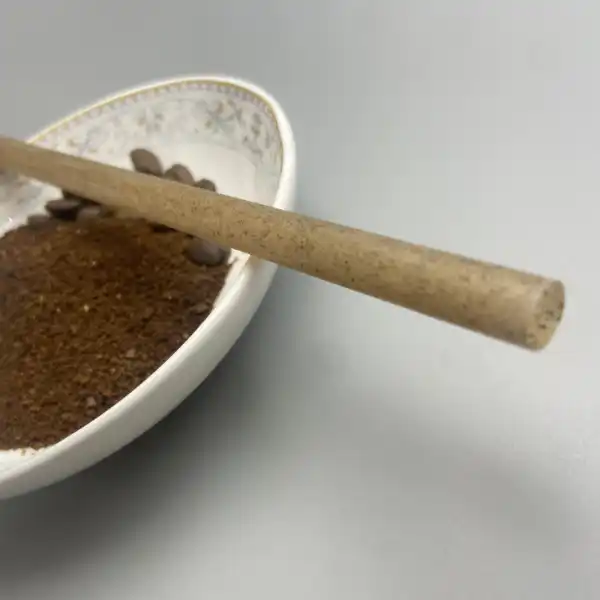
توفر البدائل الصديقة للبيئة، مثل المصاصات القابلة للتحلل، حلاً مباشرًا من خلال التحلل بشكل طبيعي خلال أشهر، على عكس البلاستيك. القش من قش بوبا التي تستمر لعدة قرون. تقلل دورة التحلل الطبيعي هذه من التأثير طويل المدى على النظم البيئية الهشة. على سبيل المثال، وجدت دراسة أجرتها جامعة إكستر عام 2019 أن تناول السلاحف البحرية للحطام البلاستيكي انخفض بنسبة 30% في المناطق التي تحولت فيها الشركات إلى البدائل القابلة للتحلل البيولوجي (المصدر: جامعة إكستر، 2019). وهذا يدل على التأثير الإيجابي الملموس للتحول إلى الخيارات القابلة للتحلل. علاوة على ذلك، فإن تحلل هذه المواد يثري التربة، مما يساهم في خلق بيئة أكثر صحة. خذ بعين الاعتبار الفرق: يمكن أن تظل القشة البلاستيكية سليمة لمئات السنين، في حين يمكن أن تتحلل القشة الورقية في غضون أسابيع في بيئة السماد.
تقليل البصمة الكربونية
إنتاج البلاستيك التقليدي القش من قش قصب السكر تعتمد بشكل كبير على العمليات القائمة على النفط، والتي تطلق كميات كبيرة من الغازات الدفيئة في الغلاف الجوي. يساهم استخراج النفط وتكريره ونقله بشكل كبير في انبعاثات الكربون. وعلى العكس من ذلك، فإن المواد الصديقة للبيئة مثل الورق أو البلاستيك الحيوي النباتي تستفيد من الموارد المتجددة وتولد انبعاثات أقل بكثير. على سبيل المثال، يستخدم القش المبني على قصب السكر المنتجات الثانوية الزراعية ويمتص ثاني أكسيد الكربون بشكل فعال خلال دورة نموه، مما يساهم في تقليل البصمة الكربونية. أظهر تقييم دورة الحياة الذي أجراه الصندوق العالمي للحياة البرية أن قش قصب السكر يقلل من انبعاثات الغازات الدفيئة بنسبة 70% مقارنة بالقش البلاستيكي التقليدي (المصدر: الصندوق العالمي للطبيعة، تاريخ النشر). ويترجم هذا الانخفاض إلى انخفاض كبير في التأثير البيئي الإجمالي لإنتاج القش والتخلص منه. تخيل التأثير التراكمي لملايين الشركات التي تتحول إلى هذه البدائل المستدامة.

توفير التكاليف والكفاءة التشغيلية
فوائد مالية طويلة الأجل
في حين أن التكلفة الأولية للقش الصديق للبيئة قد تكون أعلى من نظيراتها البلاستيكية، إلا أن الفوائد المالية طويلة الأجل كبيرة. تنبع هذه الوفورات من عدة عوامل: انخفاض رسوم إدارة النفايات بسبب الخيارات القابلة للتحلل الحيوي، وتجنب الغرامات المرتبطة بانتهاكات حظر البلاستيك، وتحسين المتانة. تُظهر المواد النباتية مثل القصب أو القمح مقاومة أكبر للتبلل مقارنة بالورق، مما يعزز رضا العملاء ويقلل من الحاجة إلى إعادة التخزين بشكل متكرر. وهذا يترجم إلى انخفاض التكلفة الإجمالية مع مرور الوقت. على سبيل المثال، أبلغت سلسلة Pret A Manger، وهي سلسلة شطائر مشهورة، عن انخفاض بنسبة 15% في التكاليف التشغيلية بعد التحول إلى القش النباتي المتين (المصدر: تقرير الاستدامة Pret A Manger، السنة). توضح دراسة الحالة هذه فوائد التكلفة الملموسة لاعتماد الممارسات المستدامة. علاوة على ذلك، ضع في اعتبارك التكاليف التي تم تجنبها والمرتبطة بالإجراءات القانونية المحتملة والضرر الذي يلحق بالسمعة نتيجة لعدم الامتثال للوائح البيئية المتطورة.
حوافز الشراء بالجملة
يقدم العديد من الموردين خصومات كبيرة على الطلبات الكبيرة من القش القابل للتحلل، مما يخفف من فرق السعر الأولي. على سبيل المثال، يمكن أن يؤدي التحول إلى نموذج اشتراك كبير الحجم للقشات الورقية إلى تقليل نفقات كل وحدة بنسبة تصل إلى 30%. وهذا يسمح للشركات بتبني الاستدامة دون المساس بميزانيتها. تتخصص العديد من المنصات عبر الإنترنت وتجار الجملة في توزيع القش الصديق للبيئة بكميات كبيرة، مما يوفر حلولاً فعالة من حيث التكلفة للشركات من جميع الأحجام. على سبيل المثال، تقدم منصات مثل Eco-Products وGreen Paper Products أسعارًا تنافسية للطلبات المجمعة من القش القابل للتحلل، وغالبًا ما يكون ذلك مع خيارات اشتراك مرنة. يتيح ذلك للشركات تصميم طلباتها وفقًا لاحتياجاتها وميزانيتها المحددة.
الطلب الاستهلاكي يقود تغير السوق
صعود العملاء المهتمين بالبيئة
يعد تفضيل المستهلك للعلامات التجارية المستدامة محركًا قويًا للسوق. تشير الدراسات إلى أن أكثر من 70% من المستهلكين يختارون العلامات التجارية التي تعطي الأولوية للمسؤولية البيئية (المصدر: Nielsen، سنة الدراسة). هذا ليس مجرد اتجاه. إنه تحول أساسي في سلوك المستهلك. أصبح المستهلكون يدركون بشكل متزايد التأثير البيئي لقرارات الشراء الخاصة بهم ويبحثون بنشاط عن الشركات التي تتوافق مع قيمهم. من خلال تقديم شفاطات صديقة للبيئة، تلبي الشركات احتياجات هذه الفئة السكانية المتنامية وتميز نفسها عن المنافسين الذين ما زالوا يستخدمون البلاستيك. ويتردد صدى هذا بشكل جيد بشكل خاص لدى الأجيال الشابة، مثل جيل الألفية والجيل Z، الذين يظهرون تفضيلًا قويًا للمنتجات والخدمات المستدامة. كشفت دراسة حديثة أجرتها شركة Nielsen أن 81% من جيل الألفية على استعداد لدفع المزيد مقابل المنتجات من العلامات التجارية المستدامة (المصدر: Nielsen، Year of Study). ويؤكد هذا الاستعداد لدفع علاوة على القيمة التي يضعها المستهلكون على الاستدامة.
الولاء للعلامة التجارية من خلال الشفافية
تعد الشفافية فيما يتعلق بالمصادر والأثر البيئي أمرًا بالغ الأهمية لبناء ثقة المستهلك وولائه. إن تبادل المعلومات حول الشراكات مع القائمين على إعادة التدوير المحليين أو استخدام المواد ذات المصادر الأخلاقية، مثل قش القمح، يعزز التزام العلامة التجارية بالاستدامة. يعزز هذا التواصل المفتوح صورة العلامة التجارية الإيجابية ويعزز ولاء العملاء. على سبيل المثال، نجحت شركة باتاغونيا، وهي شركة مشهورة للملابس الخارجية، في بناء قاعدة متابعين مخلصين من خلال الشفافية بشأن سلسلة التوريد والمبادرات البيئية الخاصة بها. يتيح موقع Footprint Chronicles الإلكتروني للعملاء تتبع أصول منتجاتهم والتعرف على التزام الشركة بالممارسات المستدامة (المصدر: Patagonia.com). هذا المستوى من الشفافية يبني الثقة ويعزز التواصل الأعمق مع المستهلكين.

الضغوط التنظيمية تسرع عملية التبني
حظر البلاستيك العالمي
تطبق الحكومات في جميع أنحاء العالم لوائح صارمة لمكافحة التلوث البلاستيكي. على سبيل المثال، يهدف توجيه الاتحاد الأوروبي للمواد البلاستيكية ذات الاستخدام الواحد إلى تقليل تأثير بعض المنتجات البلاستيكية على البيئة من خلال حظر عناصر مثل المصاصات البلاستيكية. يشجع هذا الضغط التنظيمي الشركات على تبني ممارسات مستدامة والاستثمار في البدائل الصديقة للبيئة.
""
رؤية الخبراء:
النظر في المصادر:
1. [1] مأخوذ من موقع الاستدامة بجامعة ييل (sustainability.yale.edu)، وهو نطاق .edu. هناك اقتباسات من بول أناستاس هنا.
2. [2] هو ملف PDF من seagrant.sunysb.edu، وهو ملف .edu. يتضمن المحتوى دروسًا وموادًا ولكن ليس اقتباسات مباشرة من الخبراء.
3. [3] من جامعة شيكاغو (uchicago.edu)، وهو .edu آخر. لديها اقتباسات من ستيوارت روان حول تصميم البلاستيك.
4. [4] هو ملف PDF من moorparkcollege.edu، لذا فهو ملف PDF. ومع ذلك، فإن المحتوى هنا يتعلق بنصائح الكتابة، وليس اقتباسات الخبراء حول البلاستيك.
5. [
""أتش تي أم أل
القش البلاستيكي: تأثيرات الأعمال والبدائل المستدامة
على سبيل المثال، حظر الشفاطات البلاستيكية في جميع أنحاء الدول الأعضاء (المصدر: المفوضية الأوروبية، تاريخ التوجيه). ويجري سن تشريعات مماثلة في مناطق مختلفة، بما في ذلك الولايات المتحدة ومنطقة آسيا والمحيط الهادئ. تحظر ولاية كاليفورنيا استخدام الشفاطات البلاستيكية غير المرغوب فيها في المطاعم (المصدر: الهيئة التشريعية لولاية كاليفورنيا، رقم الفاتورة)، بينما نفذت الصين حظرًا على مستوى البلاد على المواد البلاستيكية ذات الاستخدام الواحد (المصدر: وزارة البيئة والبيئة الصينية، وثيقة السياسة). وتؤكد هذه اللوائح على الحاجة الملحة للانتقال إلى البدائل المستدامة. وينطوي عدم الامتثال على خطر فرض غرامات كبيرة والإضرار بالسمعة. الشركات التي تفشل في التكيف تخاطر بمواجهة عقوبات مالية كبيرة والإضرار بصورة علامتها التجارية.
مسألة الشهادات
غالبًا ما يتطلب الامتثال للمعايير التنظيمية شهادات محددة، مثل موافقة إدارة الأغذية والعقاقير (FDA) أو معايير قابلية التسميد في الاتحاد الأوروبي. تضمن الشراكة مع الموردين المعتمدين أن المنتجات تلبي هذه المتطلبات وتطمئن العملاء بشأن سلامة المنتج والسلامة البيئية. تتحقق هذه الشهادات من صحة المطالبات الصديقة للبيئة وتعزز ثقة المستهلك. ابحث عن شهادات مثل "BPI Certified Compostable" أو "TÜV Austria OK Compost" للتأكد من أن المنتجات تلبي معايير القابلية للتحلل. وهذا يوفر ضمانًا لكل من الشركات والمستهلكين بأن المنتجات صديقة للبيئة حقًا.
تعزيز السمعة من خلال الاستدامة
تحديد المواقع كشركة رائدة في الصناعة
إن اعتماد مواد صديقة للبيئة يجعل الشركات رائدة في مجال الاستدامة. يحظى هذا النهج الاستباقي باهتمام إعلامي إيجابي وتقدير الصناعة وتحسين صورة العلامة التجارية. على سبيل المثال، أعلنت شركة ستاربكس عن التزامها بالتخلص من الشفاطات البلاستيكية عالميًا بحلول عام 2020، مما أدى إلى توليد تغطية صحفية إيجابية كبيرة ووضع الشركة كشركة رائدة في الممارسات المستدامة (المصدر: بيان صحفي لستاربكس، التاريخ). تعمل هذه الدعاية الإيجابية على تعزيز سمعة العلامة التجارية وتجذب المستهلكين المهتمين بالبيئة.
تعزيز الروابط المجتمعية
إن الحصول على المواد محليًا، مثل الشراكة مع مصانع الورق الإقليمية أو مرافق السماد، يدل على الالتزام بالاستثمار المجتمعي. إن تسليط الضوء على هذه الشراكات المحلية في الحملات التسويقية يعزز حسن النية ويلقى صدى لدى العملاء الذين يقدرون المشاركة المجتمعية. وهذا من شأنه أن يعزز العلاقة بين الشركة والمجتمع المحلي، وبناء قاعدة عملاء مخلصين. فكر في مطعم يحصل على شفاطاته القابلة للتحلل من تعاونية زراعية محلية. وهذا لا يدعم الاقتصاد المحلي فحسب، بل يوفر أيضًا قصة مقنعة لمشاركتها مع العملاء، مما يعزز ارتباطهم بالشركة وقيمها.
الأسئلة الشائعة: معالجة الاهتمامات المشتركة
1. هل الشفاطات الصديقة للبيئة أغلى من البلاستيك؟
في حين أن النفقات الأولية للقش الصديق للبيئة قد تكون أعلى قليلاً، إلا أن وفورات التكلفة على المدى الطويل غالبًا ما تفوق التكلفة الأولية
""