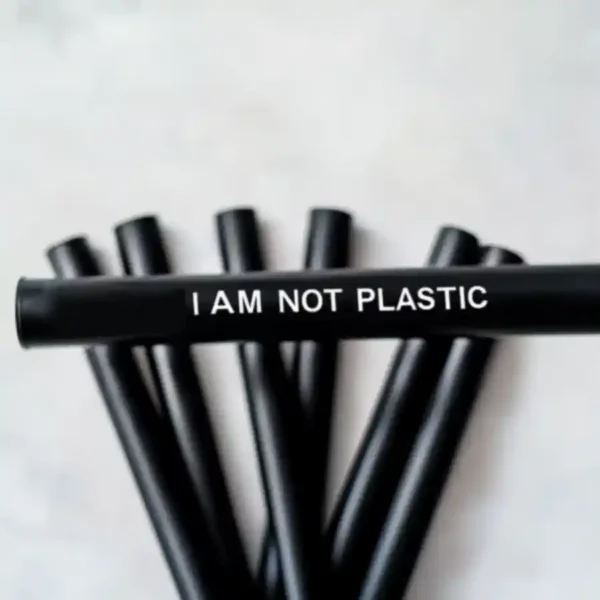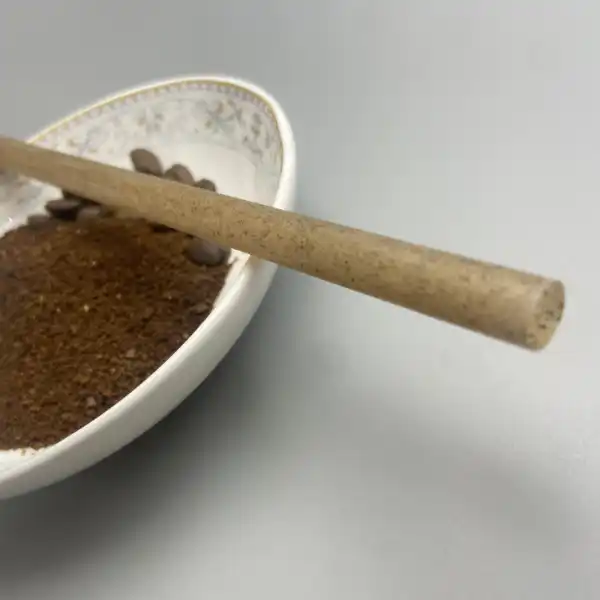

في مواجهة المخاوف البيئية المتصاعدة، شهد العالم ارتفاعًا في اللوائح التي تستهدف قش البوبا البلاستيكي، وهو مساهم رئيسي في أزمة التلوث البلاستيكي. تهدف مشاركة المدونة هذه إلى تسليط الضوء على الوضع الحالي واللوائح الحكومية وآثارها على الشركات من حيث الامتثال والاستدامة والاتجاهات المستقبلية.
مقدمة

السيناريو الحالي للتلوث البلاستيكي
يعد التلوث البلاستيكي مشكلة بيئية خطيرة، حيث تتسبب المواد البلاستيكية ذات الاستخدام الواحد بما في ذلك قش البوبا البلاستيكية في أضرار بيئية كبيرة. في الولايات المتحدة، يتم التخلص من 500 مليون شفاطة بلاستيكية يوميًا، مما يساهم بشكل كبير في التلوث البحري. غالبًا ما ينتهي الأمر بهذه القشات في مدافن النفايات أو المحيطات، مما يشكل تهديدًا خطيرًا للحياة البحرية.
اللوائح الحكومية بشأن قش بوبا البلاستيكي
نفذت الحكومات العالمية لوائح للحد من استخدام قش البوبا البلاستيكي. على سبيل المثال، حظرت المملكة المتحدة توزيع الشفاطات البلاستيكية منذ يوليو 2021 مع بعض الاستثناءات[4].
الامتثال والاستدامة للشركات

إن الالتزام بهذه اللوائح ليس مجرد مطلب قانوني ولكنه ضرورة عمل. يجب على المشترين في مجال B2B والشركات التي تركز على الاستدامة التكيف مع هذه التغييرات للحفاظ على سمعتهم ومكانتهم في السوق.
خلفية
تاريخ لوائح القش البلاستيكي
زادت اللوائح ضد القش البلاستيكي على مر السنين. في الولايات المتحدة، أصدر قانون Save Our Seas 2.0 الصادر في ديسمبر 2020 توجيهًا لوكالة حماية البيئة لتطوير استراتيجية وطنية لمعالجة التلوث البلاستيكي، بما في ذلك الحد من استخدام القش البلاستيكي[3].
مشكلة القش بوبا البلاستيكية

تساهم شفاطات البوبا البلاستيكية، نظرًا لاستخدامها على نطاق واسع في صناعة الأغذية والمشروبات، بشكل كبير في التلوث بالبلاستيك الدقيق. إن عدم قابلية هذه الشفاطات للتحلل البيولوجي يعني أنها تبقى في البيئة لمئات السنين، وتطلق مواد بلاستيكية دقيقة ضارة أثناء تحللها.
Current Government Regulations on Plastic Boba Straws
Governments across the world have implemented regulations to curb the use of plastic boba straws. These regulations are pushing businesses, particularly those in the food and beverage industry, to adopt sustainable alternatives. Below is an overview of key regulations in several countries:
European Union (EU)
In 2021, the European Union enforced the Single-Use Plastics Directive (SUPD), which prohibits the use of single-use plastic straws, whether they are labeled as “bio-sourced” or “home compostable.” This ban applies to all EU member states and aims to reduce plastic waste and its environmental impact.
United Kingdom (UK)
Since يوليو 2021, the UK has implemented a ban on the distribution of plastic straws. Businesses are prohibited from selling plastic straws as a standard offering and must instead provide alternatives such as paper or bamboo. However, there are exemptions:
- Plastic straws may be kept out of sight and provided only upon customer request.
- Businesses cannot offer plastic straws verbally or in writing.
Australia (New South Wales)
Starting 1 يناير 2025, businesses in New South Wales will no longer be allowed to include banned plastic items in packaged food and drinks. This includes plastic straws sealed within packaging or attached to beverage containers via machine automation.
Implications for Businesses
Compliance Requirements
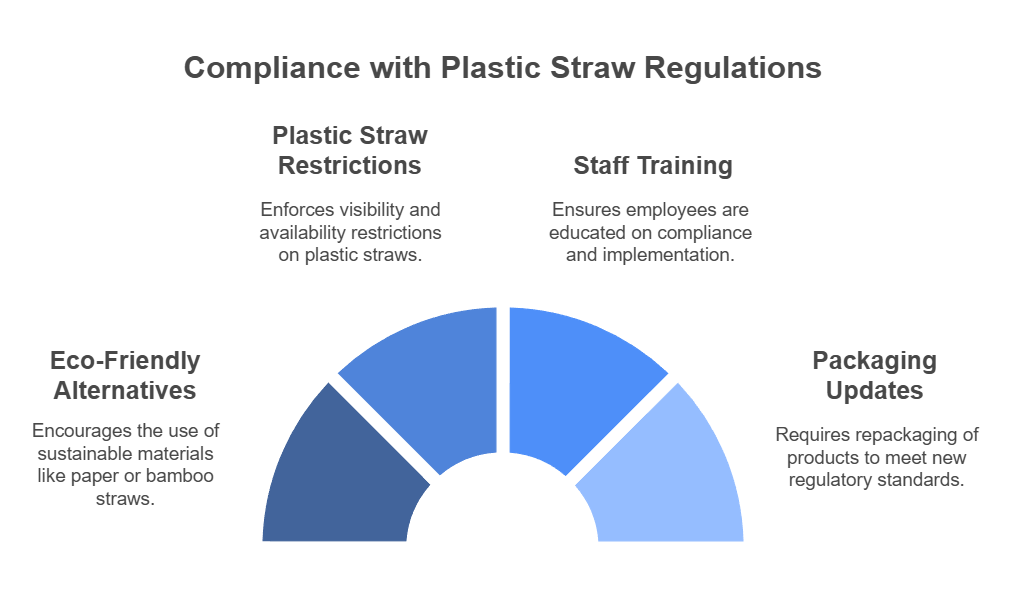
To comply with these regulations, businesses must make adjustments to their operations:
- Offer Alternatives: Businesses must provide eco-friendly alternatives such as paper or bamboo straws.
- Plastic Straw Restrictions: Where permitted, businesses must keep plastic straws out of sight and offer them only upon request.
- تدريب الموظفين: Businesses need to ensure that employees are informed about the new regulations and understand how to implement them.
- Packaging Updates: Products with integrated straws must be repackaged to comply with the new regulations.
Sustainability Challenges
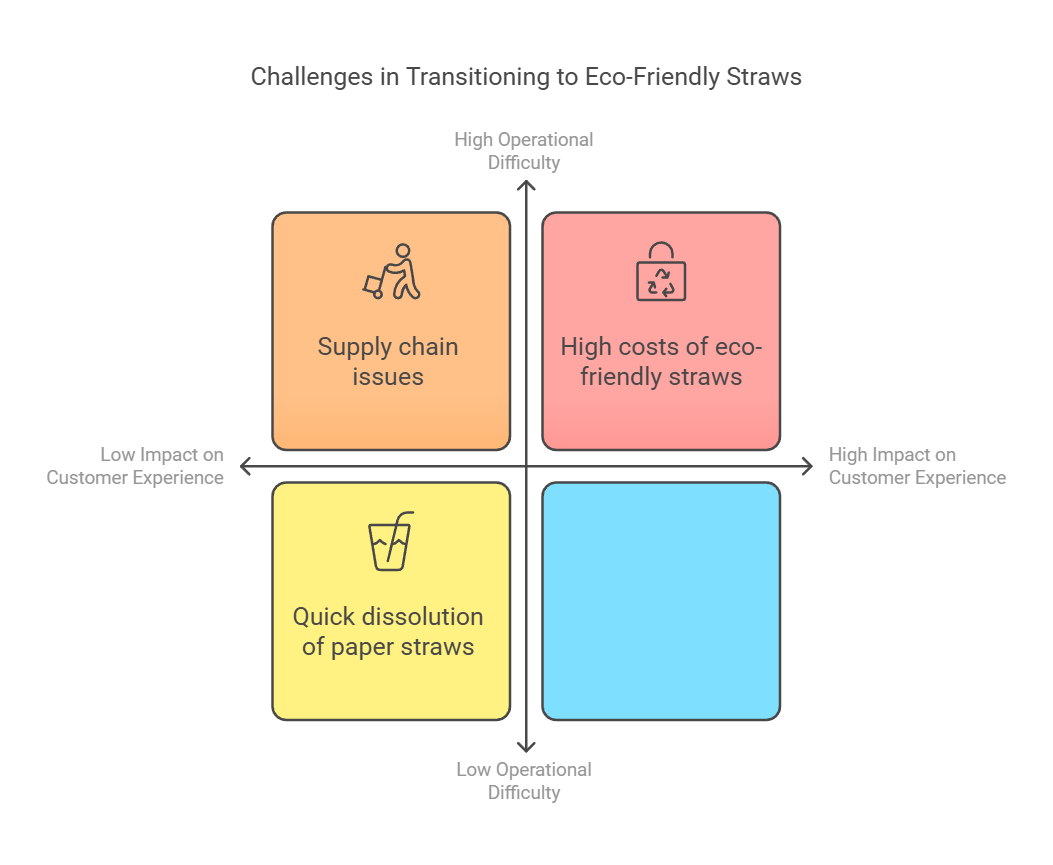
While transitioning away from plastic straws, businesses face several challenges:
- Quality of Alternatives: Many paper straws dissolve quickly in liquids, potentially affecting the customer experience, especially in beverages like bubble tea.
- Higher Costs: Eco-friendly alternatives often come with a higher price point compared to plastic straws.
- Supply Chain Issues: Businesses must source reliable suppliers for sustainable straws, which can sometimes be challenging and costly.

Future Trends
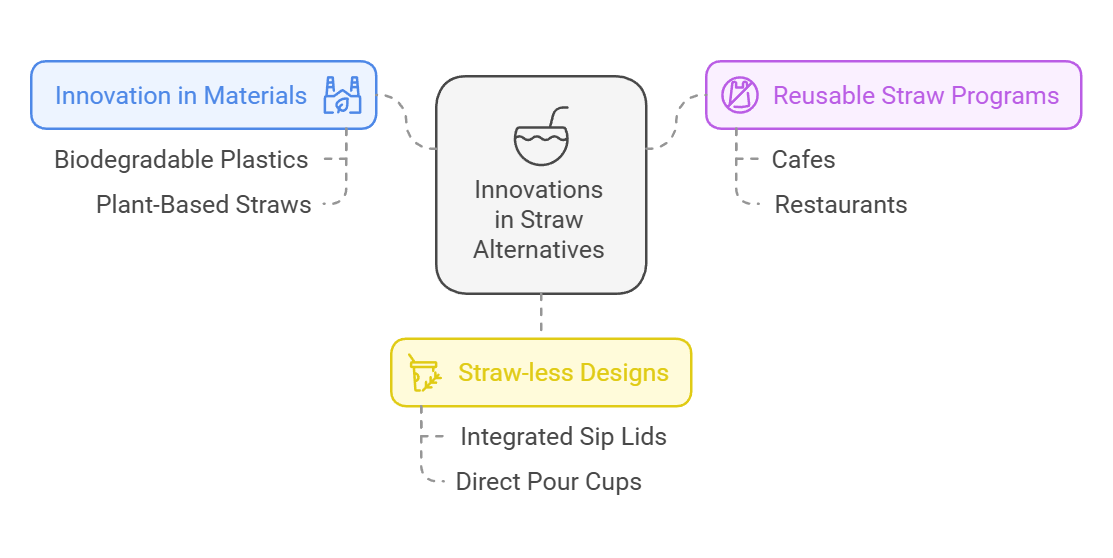
As the market adapts to these regulations, businesses are looking towards innovations that can address both environmental concerns and customer needs:
- Innovation in Materials: New, more durable, and eco-friendly materials are being developed to replace plastic straws.
- Reusable Straw Programs: Cafes and restaurants are introducing reusable straw programs to further reduce waste and enhance sustainability.
- Straw-less Designs: Some businesses are exploring cup designs that eliminate the need for straws altogether, further contributing to sustainability efforts.
خاتمة
The shift towards banning plastic straws is not just a regulatory requirement but a business opportunity. By staying informed about government regulations and adopting sustainable practices, businesses, especially in the bubble tea industry, can avoid penalties, enhance their brand image, and attract environmentally conscious customers. Embracing eco-friendly alternatives can improve sustainability efforts, reduce costs, and ultimately build customer loyalty.
الاستشهادات:
- Taipec – Plastic Straws: What Are the Rules Bubble Tea Shop Owners Should Know?
- Drinking Straw – What is Bio-Sourced Bioplastic Straw?
- EPA – New South Wales Plastics Ban Guidance
- Drinking Straw – Which Alternatives to Plastic Straws?
- Renouvo – Plastic Straws Ban in the US and Europe
- Instagram – Advancing Justice