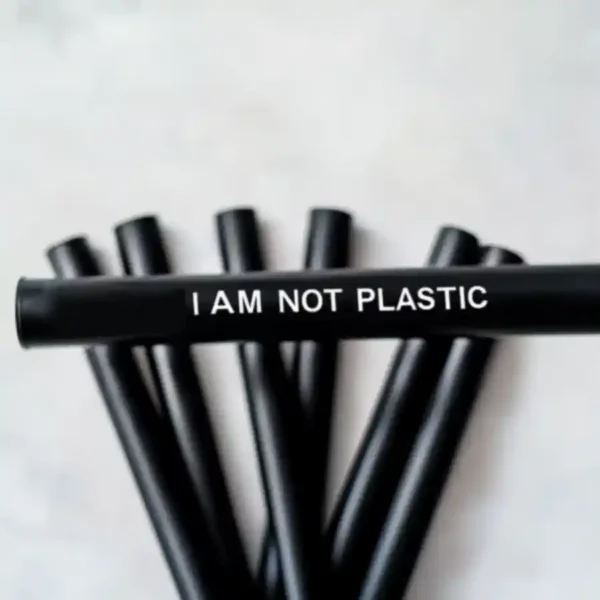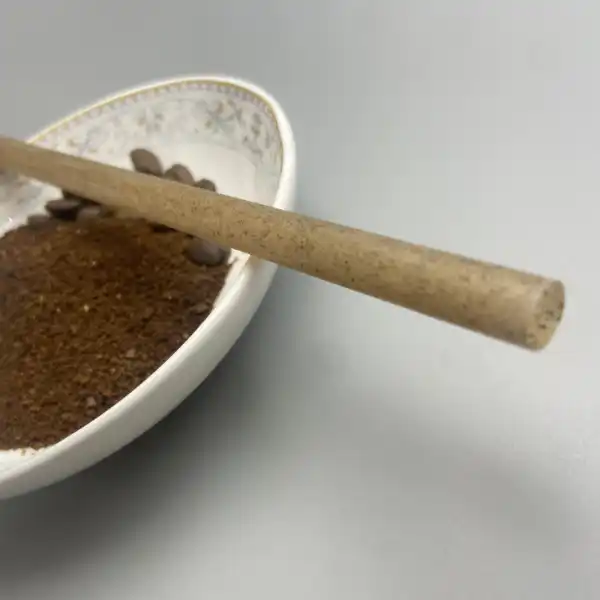
With a growing trend of using biodegradable straws as an environmentally friendly alternative to plastic, it’s important to consider the potential downsides of these eco-friendly products, especially from the perspective of a purchasing or procurement manager.
 Higher Costs of Biodegradable Straws
One of the most significant drawbacks of biodegradable straws is the higher cost compared to traditional plastic straws. The price difference is often substantial, with biodegradable options typically costing 20-30% more than their plastic counterparts. This price hike can be a barrier for small businesses, such as cafés or restaurants, that operate on tight margins. The higher price point may not always be justifiable, especially when there isn’t consumer demand or regulatory pressure to adopt biodegradable alternatives.
The increased cost is primarily due to the raw materials used in biodegradable plastics, such as corn starch, potatoes, and cassava, which are more expensive than petroleum-based plastics. The production process is also more complex, which further increases the cost.
 Quality and Functionality Issues

While biodegradable straws offer a more sustainable option, they are not without quality concerns. Paper straws, for example, tend to become soggy when used in hot beverages or over extended periods, leading to a poor user experience. PLA (Polylactic Acid) straws, another common type of biodegradable straw, can lose structural integrity when exposed to high temperatures, making them unsuitable for hot drinks.
These issues can lead to customer dissatisfaction, and if biodegradable straws don’t perform well, businesses may be forced to return to traditional plastic straws. It is important for businesses to weigh these functional drawbacks before making the switch to biodegradable alternatives.
Limitations of Composting and Biodegradation
التحدي الآخر الذي يواجه القش القابل للتحلل هو القيود المفروضة على تسميدها وتحللها البيولوجي. في حين أن هذه الشفاطات مصممة لتتحلل بسرعة أكبر من المواد البلاستيكية التقليدية، فإنها غالبًا ما تتطلب ظروفًا محددة لتتحلل بشكل فعال.
على سبيل المثال، تحتاج العديد من المواد القابلة للتحلل الحيوي إلى معالجتها في منشآت التسميد الصناعية التي توفر مستويات حرارة ورطوبة يمكن التحكم فيها. ولسوء الحظ، فإن مثل هذه المرافق غير متوفرة في كل مكان. إذا انتهى الأمر بالقش القابل للتحلل الحيوي في مكب النفايات بدلاً من منشأة التسميد، فقد يستغرق الأمر سنوات حتى يتحلل، مما يقوض مزاياه البيئية.
Variations in Types of Biodegradable Straws

يقدم السوق مجموعة من القش القابل للتحلل، بما في ذلك تلك المصنوعة من الورق، وPLA، وقصب السكر، وغيرها من المواد النباتية. ومع ذلك، لا يتم إنشاء جميع المصاصات القابلة للتحلل البيولوجي بشكل متساوٍ. يمكن أن تؤثر الاختلافات في تكوين المواد على الأداء والأثر البيئي.
على سبيل المثال، قد تتفكك بعض الشفاطات الورقية بسرعة كبيرة في المشروبات، مما يجعلها غير مناسبة لبعض التطبيقات. من ناحية أخرى، قد لا تصمد شفاطات PLA بشكل جيد مع المشروبات الساخنة. تؤدي هذه الاختلافات إلى تعقيد عملية صنع القرار لكل من الموردين والمستهلكين. من المهم اختيار النوع المناسب من القش القابل للتحلل بناءً على الاحتياجات المحددة لشركتك أو عملائك.
The Environmental Impact of Biodegradable Straws
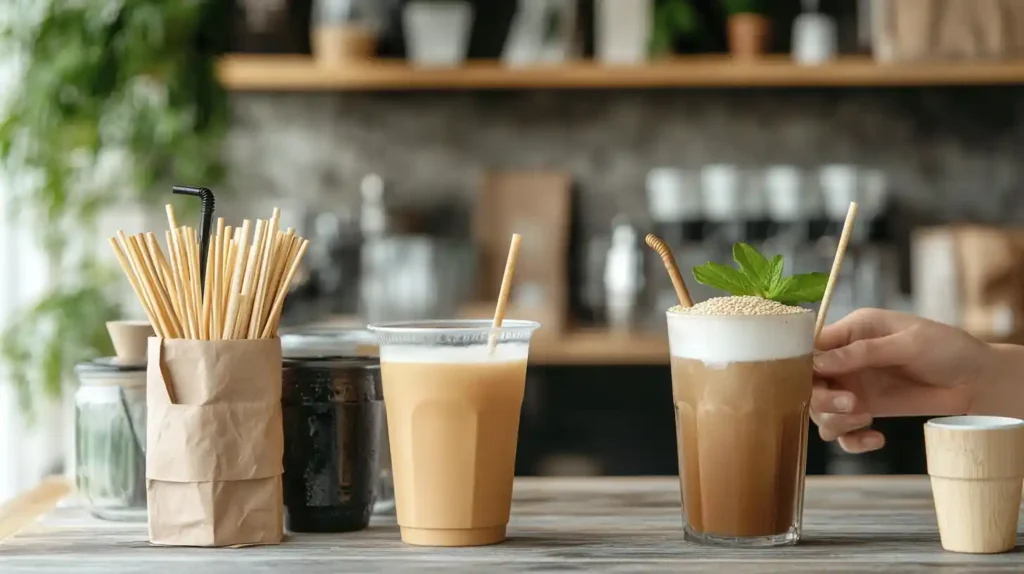
في حين يتم تسويق الشفاطات القابلة للتحلل الحيوي كبديل أكثر مراعاة للبيئة للبلاستيك، إلا أن فوائدها البيئية الفعلية أكثر تعقيدًا. وتؤثر عدة عوامل على بصمتها البيئية، مثل الطاقة المستخدمة في الإنتاج، وانبعاثات وسائل النقل، وطريقة التخلص منها.
على سبيل المثال، إذا تم خلط القش القابل للتحلل مع النفايات البلاستيكية العادية، فإنها قد لا تتحلل على النحو المنشود. علاوة على ذلك، قد يتطلب إنتاج المواد البلاستيكية القابلة للتحلل في بعض الأحيان طاقة وموارد كبيرة، مما قد يقلل من الميزة البيئية الشاملة بالمقارنة مع الخيارات المستدامة الأخرى.
خاتمة
This article aims to provide a comprehensive overview of the disadvantages of biodegradable straws, emphasizing their higher costs, quality and functionality issues, limitations of composting and biodegradation, variations in types of biodegradable straws, and the actual environmental impact. By understanding these nuances, readers can make informed decisions about selecting and using biodegradable straws effectively. For more insights on eco-friendly products, check out our other articles on sustainable packaging and biodegradable cutlery.
الاستشهادات:
[1] https://greenprintproducts.com/biodegradable-straws/
[2] https://www.sandia.org/sandia-area-blog/the-impact-of-reusable-and-biodegradable-straws
[3] https://lomi.com/blogs/news/best-compostable-biodegradable-straws
[4] https://strawbystraw.com/blogs/news/biodegradable-straws-a-sustainable-alternative-to-plastic
[5] https://renouvo.net/biomass-materials/which-plants-can-be-made-into-straws-differences-between-seven-types-of-plant-based-straws/
[6] https://greenbusinessbureau.com/blog/how-big-a-difference-can-biodhow-big-a-difference-can-biodegradable-straws-make-to-the-environmentegradable-straws-make-to-the-environment/