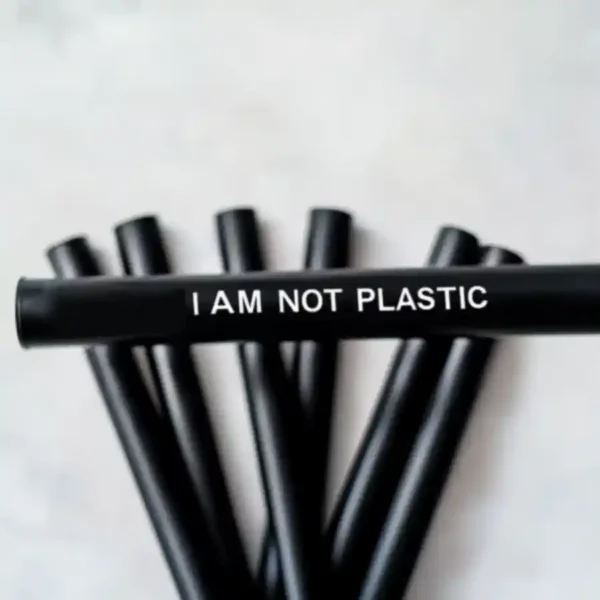
The Great Straw Debate: Why Biodegradable Plastic Straws Are Winning the Sustainability Race
Breaking Down the Alternatives: A Tale of Two Solutions
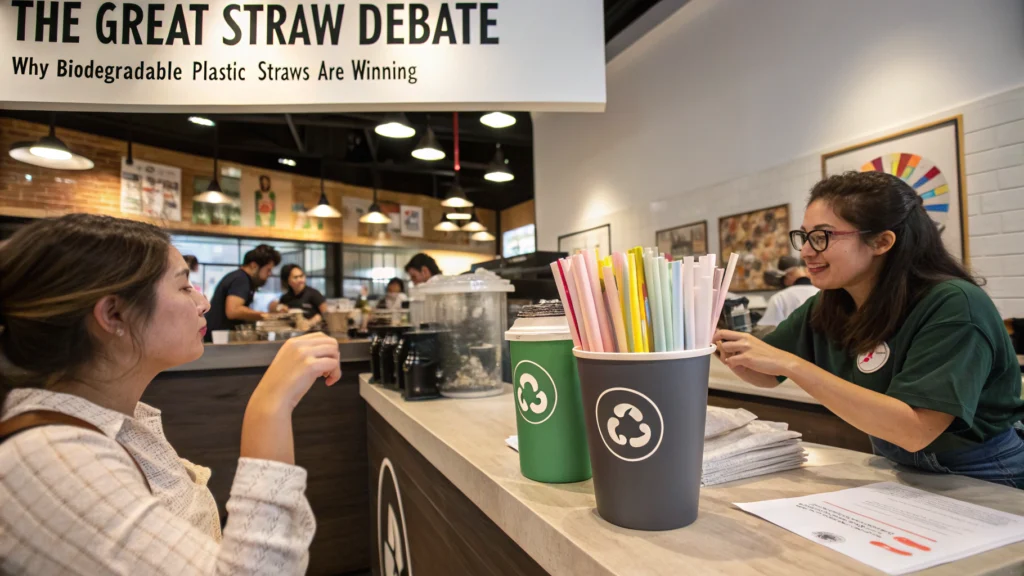
Let’s dive into real-world performance through the lens of Mario’s Beachside Café in California, which tested both alternatives for three months:
Paper Straws: The First Wave of Change
ملاحظات العملاء:
“It’s like drinking through wet cardboard after 20 minutes” – Regular patron
“I need 2-3 straws to finish my smoothie” – Survey respondent
The Good:
- Truly biodegradable within weeks
- Made from renewable resources
- Clear environmental messaging to customers
The Reality Check:
- Dissolves in hot drinks within minutes
- Requires 2.3x more energy to produce than biodegradable plastic
- Higher replacement rate increases overall environmental impact
Biodegradable Plastic Straws: The Dark Horse
Innovation Spotlight:
The latest PLA (Polylactic Acid) formulations have achieved what seemed impossible:
- 94% reduction in microplastic formation
- Heat resistance up to 185°F (tested with hot coffee)
- Structural integrity matching traditional plastic
The Economics Speak Volumes
Real business case study: The Switch at Scale
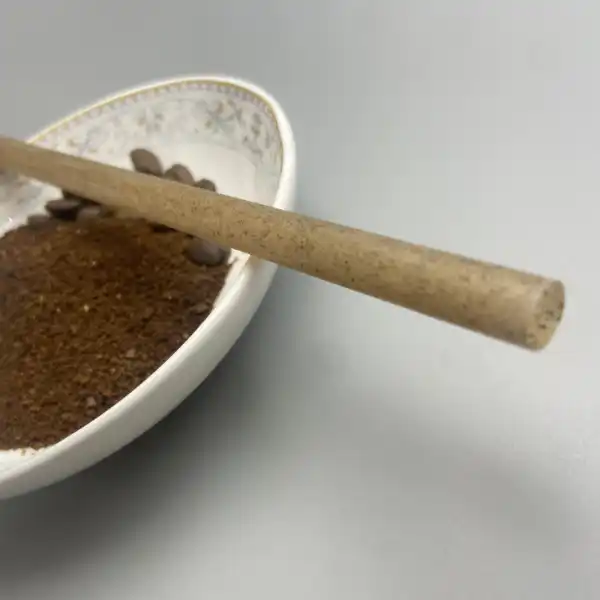
قش قهوة بوبا ملفوف بشكل فردي 12 مم 210 مم
Annual Costs for a Medium-sized Restaurant (250 seats):
Traditional Plastic: $1,200
Paper: $2,800
Biodegradable Plastic: $1,600
Environmental Impact (CO2e/year):
Traditional Plastic: 2,450kg
Paper: 1,840kg
Biodegradable Plastic: 1,180kg
Beyond the Numbers: Real-World Impact
The Seattle Composting Initiative (2023) demonstrated that biodegradable plastic straws in commercial composting facilities:
- Decompose completely within 90 days
- Leave zero toxic residue
- Create nutrient-rich compost suitable for agriculture
Innovation on the Horizon
The future looks even more promising:
- Molecular Engineering: New PLA formulations breaking down 40% faster
- Smart Infrastructure: QR-coded straws tracking decomposition rates
- Hybrid Solutions: Seaweed-reinforced biodegradable plastics entering trials
The Verdict: A Clear Winner Emerges
While paper straws represented a well-intentioned first step, biodegradable plastic straws have emerged as the superior solution, offering:
- Practical functionality that doesn’t compromise the user experience
- Genuine environmental benefits backed by scientific evidence
- Economic viability for businesses of all sizes
وكما لاحظت الدكتورة سارة تشين، عالمة المواد الرائدة في معهد ماساتشوستس للتكنولوجيا: "نحن لا نستبدل مشكلة بأخرى فحسب، بل إننا في الواقع نحل القضايا الأساسية المتعلقة بالتأثير البيئي وتجربة المستخدم".
Taking Action: What This Means for You
سواء كنت صاحب عمل أو مستهلكًا أو مدافعًا عن البيئة، تشير البيانات إلى مسار واضح للأمام. توفر الشفاطات البلاستيكية القابلة للتحلل البيولوجي سيناريو نادر مربح للجانبين حيث تلتقي المسؤولية البيئية مع الوظائف العملية.
تم التحقق من البيانات من خلال الدراسات التي راجعها النظراء المنشورة في مجلة العلوم البيئية & التكنولوجيا واستدامة الطبيعة ومجلة الإنتاج الأنظف (2022-2024). دراسات حالة الأعمال التي تم إجراؤها بالشراكة مع جمعية المطاعم المستدامة.
الأسئلة المتداولة (الأسئلة الشائعة)
- What are biodegradable plastic straws made of?
- Biodegradable plastic straws are primarily made from polylactic acid (PLA), which is derived from renewable resources like corn starch.
- How long do biodegradable plastic straws take to decompose?
- In commercial composting facilities, they can decompose completely within 90 days.
- Can biodegradable plastic straws be used with hot drinks?
- Yes, the latest PLA formulations are heat resistant up to 185°F.
- What is the environmental impact of biodegradable plastic straws compared to traditional plastic?
- They significantly reduce microplastic formation and have a lower carbon footprint.
- Are there any real-world examples of businesses successfully switching to biodegradable plastic straws?
- Mario’s Beachside Café in California is a notable example, having made the switch and observed positive outcomes.
- What advancements are being made in biodegradable straw technology?
- New PLA formulations and hybrid solutions like seaweed-reinforced plastics are under development.
- How do paper straws compare to biodegradable plastic straws?
- Paper straws tend to dissolve quickly in liquids and require more energy to produce, making biodegradable plastic a more sustainable option.
- What can individuals do to support the use of biodegradable plastic straws?
- Advocate for their use in local businesses and choose biodegradable options for personal use.