جدول المحتوى
يخفي
أنا. مقدمة
- Brief Overview of the Growing Shift Toward Sustainability:
- The hospitality industry has been undergoing a significant transformation, with an increasing number of businesses focusing on sustainability. As the demand for eco-conscious products rises, businesses are seeking solutions to replace single-use plastic products. In this shift, the use of eco-friendly straws has gained substantial attention.
- Focus on Sugarcane Straws:
- Sugarcane straws, made from bagasse, a byproduct of sugarcane processing, offer a sustainable and eco-friendly alternative to traditional plastic straws. Their rise in popularity stems from their biodegradability and positive environmental impact.
- Target Audience:
- This article is aimed at businesses in the hospitality sector—cafes, restaurants, wholesalers, and distributors—who are looking to reduce their environmental impact by adopting eco-friendly alternatives. It also speaks to environmentally conscious consumers seeking sustainable options.

II. What Are Sugarcane Straws?
- Definition and Production Process:
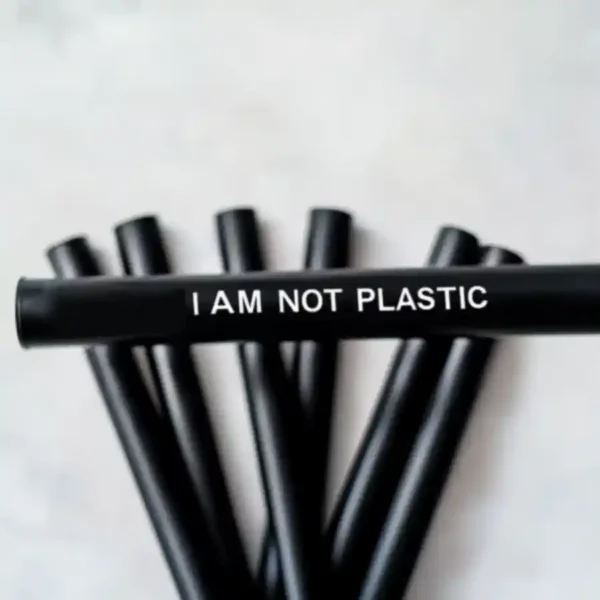
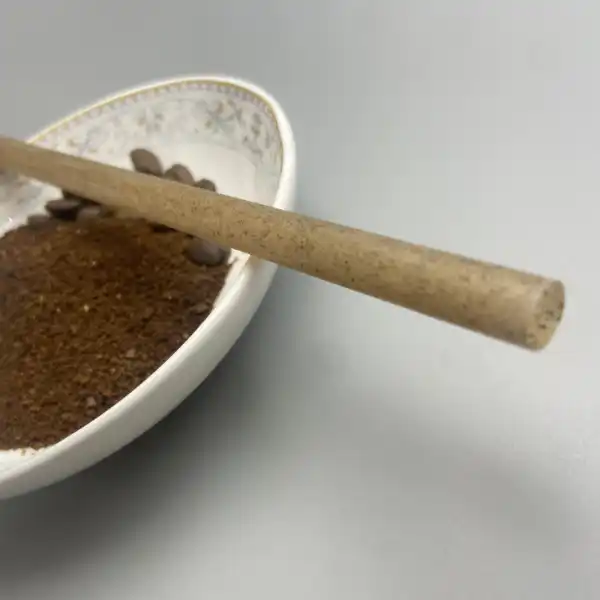
- Sugarcane straws are produced from bagasse, a fibrous byproduct of sugarcane processing. After sugarcane juice is extracted, the remaining bagasse is processed into pulp, molded, and baked into straw shape. This makes sugarcane straws 100% biodegradable and compostable, providing an alternative that breaks down naturally in both home and industrial composting environments.
- Comparison to Other Biodegradable Options:
- While paper and rice straws also serve as alternatives, sugarcane straws are typically more durable and perform better across a range of drinks, from milkshakes to iced teas. Unlike paper straws, they don’t soften quickly in liquids, making them a longer-lasting option.
III. Why Choose Sugarcane Straws?

A. الفوائد البيئية
- قابلية التحلل البيولوجي:
- Sugarcane straws decompose naturally within 60-90 days, making them a preferable option over plastic straws that can take hundreds of years to degrade. By using biodegradable straws, businesses can significantly reduce their environmental footprint, helping mitigate plastic pollution.
- Composting Capabilities:
- These straws are compostable and free from harmful substances like BPA and heavy metals, ensuring they don’t leach toxins into the soil or waterways, unlike plastic straws that can release microplastics.
- انخفاض البصمة الكربونية:
- The production process for sugarcane straws results in lower CO2 emissions compared to plastic straw manufacturing. Their renewable nature helps offset the use of finite resources, supporting a more sustainable product life cycle.
ب. Consumer Appeal
- متانة:
- تعتبر قش قصب السكر أكثر متانة من البدائل الورقية ومناسبة لمجموعة متنوعة من المشروبات، بما في ذلك المشروبات الساخنة. تضمن متانتها عدم الانهيار أو التحلل بمرور الوقت، مما يوفر تجربة شرب ممتعة.
- طعم محايد:
- على عكس القش الورقي الذي يمكن أن يضفي مذاقًا ورقيًا، تحافظ قش قصب السكر على سلامة نكهة المشروب. يعزز هذا المذاق المحايد الاستمتاع العام بشاي الفقاعات أو العصائر أو أي مشروب يتم تقديمه مع القش.
ج. حل فعال من حيث التكلفة
- التكاليف المقدمة مقابل التكاليف طويلة الأجل:
- While sugarcane straws may initially be more expensive than plastic or paper alternatives, their durability, biodegradability, and long-term environmental benefits make them a cost-effective investment. By reducing the need for frequent replacements and lowering waste management costs, businesses can recoup the upfront costs over time.
- Brand Loyalty and Customer Satisfaction:
- As consumers increasingly prioritize sustainability, offering eco-friendly straws can enhance a business’s brand image, attracting environmentally conscious customers and improving customer loyalty.
IV. Environmental Impact of Sugarcane Straws

A. Comparison to Plastic Straws
- التلوث البلاستيكي:
- Plastic straws contribute to widespread environmental pollution, with millions of them ending up in oceans and landfills every year. These straws take hundreds of years to decompose and contribute to microplastic contamination in the oceans.
- Marine Wildlife:
- Plastic straws pose a significant risk to marine life. They can be ingested by sea creatures, leading to injury, suffocation, and death. The reduction in plastic straws means fewer threats to marine ecosystems, making sugarcane straws an important step towards ocean health.
ب. تقليل النفايات البلاستيكية
- Sugarcane Straws in Action:
- As sugarcane straws are biodegradable and compostable, they break down naturally without leaving harmful residues. This helps reduce the plastic waste burden, which has become one of the most significant contributors to global environmental issues.
V. Cost Comparison: Sugarcane Straws vs. Plastic Straws
A. Detailed Cost Analysis
- فوائد مالية طويلة الأجل:
- Although sugarcane straws may have a higher upfront cost compared to traditional plastic straws, they offer long-term savings due to lower waste disposal fees and fewer replacements. These straws’ compostability eliminates the need for plastic waste management, contributing to long-term cost savings for businesses.
- Positive Impact on Brand Reputation:
- إن تقديم بدائل مستدامة مثل قش قصب السكر يعزز سمعة الشركة، ويجذب المزيد من العملاء المهتمين بالبيئة والذين هم على استعداد لدفع ثمن المنتجات المستدامة. يمكن أن تترجم هذه الزيادة في مشاركة العملاء وولائهم إلى زيادة في المبيعات ونمو الأعمال.
VI. How to Find and Choose the Right Sugarcane Straw Suppliers
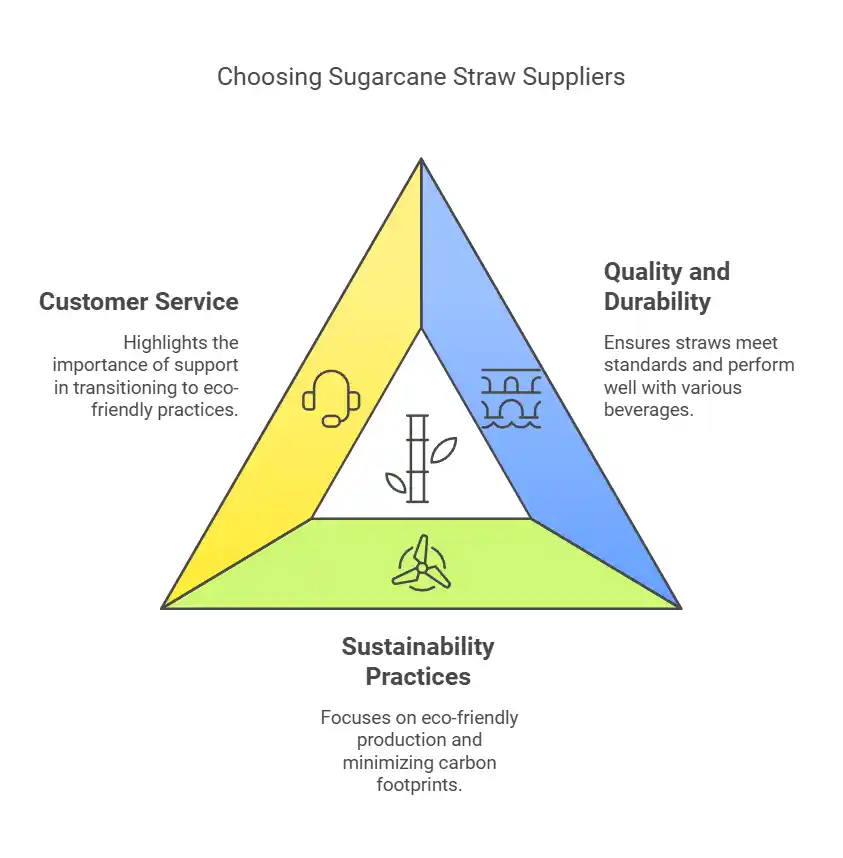
A. العوامل الرئيسية التي يجب مراعاتها
- الجودة والمتانة:
- عند اختيار مورد قش قصب السكر، من المهم التأكد من أن القش يلبي معايير الجودة، ومتين، ويعمل بشكل جيد عبر أنواع مختلفة من المشروبات.
- ممارسات الاستدامة:
- اختر الموردين الذين يؤكدون على الممارسات الصديقة للبيئة، مثل استخدام الموارد المتجددة، وتقليل البصمة الكربونية أثناء الإنتاج.
- خدمة العملاء:
- فكر في الموردين الذين يتمتعون بخدمة عملاء ممتازة، خاصة أولئك الذين يقدمون الدعم في تحويل الأعمال إلى ممارسات صديقة للبيئة.
VII. Success Stories: Businesses Making the Switch to Sugarcane Straws
A. Example Case Study: Café Success Story
- Many cafés and restaurants are already making the transition to sugarcane straws, experiencing positive feedback from customers and significant improvements in their environmental contributions. A café that made the switch reported an increase in customer loyalty and brand reputation, as eco-conscious consumers appreciated the sustainability efforts.
VIII. Making the Switch: Practical Tips for Businesses
A. التنفيذ التدريجي
- Transition gradually by replacing plastic straws with sugarcane straws in phases. Start by using sugarcane straws for specific drinks or locations, then expand to a full switch.
ب. Communication and Staff Training
- Inform customers about the transition to eco-friendly straws through signage, social media, and in-store announcements. Train staff on how to handle and serve drinks with sugarcane straws to ensure a smooth transition.

تاسعا. خاتمة
- Recap of the Benefits of Sugarcane Straws:
- Sugarcane straws are an eco-friendly, durable, and cost-effective alternative to plastic straws. By switching to sugarcane straws, businesses contribute to reducing plastic pollution, lowering waste management costs, and enhancing their reputation as environmentally conscious brands.
- Encouragement for Businesses to Make the Switch:
- Businesses are encouraged to make the switch to sugarcane straws today and lead the way toward a more sustainable future. By taking this step, companies can benefit both financially and environmentally, fostering long-term growth and customer loyalty.
X. Call to Action
- Engagement with the Reader:
- Encourage businesses to make the switch to sugarcane straws and invite readers to share their experiences with eco-friendly straws. Promote the idea of sustainability and help others make the transition toward a more eco-conscious future.
Tags: Eco-Friendly, Sugarcane Straws, Sustainable Business Practices, Biodegradable Products, Environmental Impact
This blog post outlines why sugarcane straws are an excellent choice for businesses looking to reduce their environmental impact while simultaneously boosting customer satisfaction and loyalty. The transition to these sustainable alternatives will not only help businesses improve their environmental footprint but also demonstrate a commitment to a healthier, greener future.