
Key Benefits of Switching to Eco-Friendly Straws
- تقليل التأثير البيئي: تتحلل بدائل القش القابلة للتحلل بشكل طبيعي، مما يقضي على التلوث البلاستيكي الدقيق ويحمي الحياة البحرية. يتحلل قصب السكر وقش القمح خلال أسابيع في ظل ظروف التسميد المناسبة. النظر في تقييمات دورة الحياة لتعزيز روايات الاستدامة.
- تعزيز سمعة العلامة التجارية: مستمر قش بوبا demonstrate environmental commitment, attracting eco-conscious demographics. Feature these straws prominently in marketing campaigns.
- الامتثال التنظيمي: Stay ahead of single-use plastic bans through proactive adoption of alternatives.
- Cost Efficiency: Reusable stainless steel or glass straws offer long-term savings versus disposable plastics.
Comparing Plastic-Free Straw Materials
1. قش الورق
- الايجابيات: Affordable (€0.02–€0.25), available in multiple designs
- Cons: Become soggy; often use unsustainable wood pulp
- الأفضل لـ: Short-term events needing cost-effective solutions
2. Sugarcane Straws
- الايجابيات: Home-compostable, temperature-resistant
- Cons: Limited regional availability
- الأفضل لـ: Zero-waste restaurants with composting partners
3. قش الخيزران
- الايجابيات: Natural aesthetic, reusable
- Cons: Requires meticulous drying
- الأفضل لـ: Eco-resorts with rustic branding
4. Stainless Steel & القش الزجاجي
- الايجابيات: Lifetime durability, easy cleaning
- Cons: Higher upfront cost (€2–€10)
- الأفضل لـ: Dine-in cafés offering reuse incentives
5. Silicone Straws
- الايجابيات: Flexible, child-safe
- Cons: Limited recycling, potential BPA risks
- الأفضل لـ: Households prioritizing safety

6. PLA (Bioplastic) Straws
الايجابيات: Industrial compostability with plastic-like durability
Cons: Frequent misidentification as regular plastic
الأفضل لـ: Large venues needing disposable solutions. Source certified compostable sugarcane straws with clear disposal labels.
رؤى قابلة للتنفيذ للشركات
-
1. Audit Your Needs
Analyze drink types, customer demographics, and waste infrastructure before material selection.
-
2. Source Responsibly
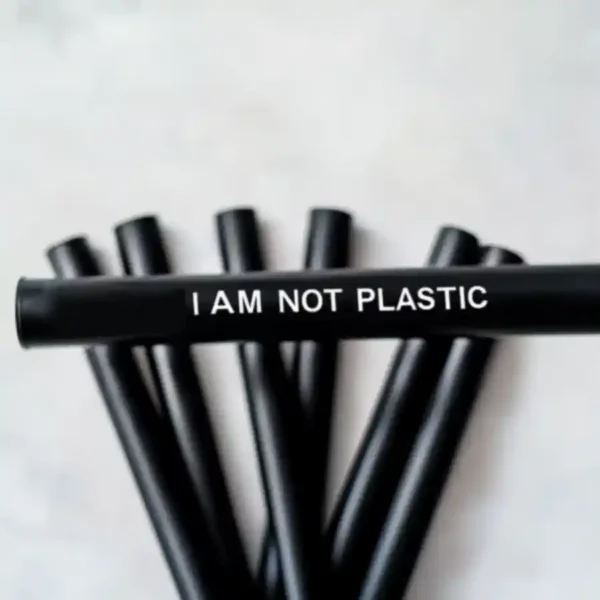
Partner with certified suppliers like #IAMPLASTICFREE for ethical supply chains.
-
3. Educate Customers
Implement training and signage to promote reusable straw adoption and sustainability messaging.

Actionable Insights for Businesses: Optimizing Straw Selection for Sustainability
مع وجود شريحة متنامية من السوق تبحث بنشاط عن الشركات ذات الملفات الشخصية القوية في مجالات البيئة والاجتماعية والحوكمة.
3. الامتثال التنظيمي:
تطبق العديد من المناطق حظرًا أو ضرائب على المواد البلاستيكية ذات الاستخدام الواحد. إن الاعتماد الاستباقي للبدائل المستدامة يضمن الامتثال، ويتجنب الغرامات المحتملة، ويضع عملك في مواجهة اللوائح المستقبلية. إن البقاء في الطليعة يقلل من الاضطراب ويظهر البصيرة المسؤولة.
4. كفاءة التكلفة:
في حين أن التكاليف الأولية قد تختلف، فإن الخيارات القابلة لإعادة الاستخدام مثل المصاصات المصنوعة من الفولاذ المقاوم للصدأ أو الزجاج توفر وفورات كبيرة في التكلفة على المدى الطويل مقارنة بشراء المصاصات البلاستيكية التي تستخدم لمرة واحدة باستمرار. ضع في اعتبارك التكلفة الإجمالية للملكية، بما في ذلك الشراء والتصرف والغرامات المحتملة لعدم الامتثال.
Comparing Plastic-Free Straw Materials
1. القش الورقية:
- الايجابيات: Affordable (€0.02–€0.25 per unit), widely available in various colors and designs.
- Cons: Often become soggy, frequently made from unsustainable wood pulp, and may require significant quantities of water for production.
- الأفضل لـ: Short-term events or applications where low cost is the primary concern. Consider the environmental impact of sourcing and disposal.
2. Sugarcane Straws:
- الايجابيات: Home compostable, withstand hot and cold beverages without softening.
- Cons: May be less readily available than paper straws, requiring more robust supply chain management.
- الأفضل لـ: Restaurants and businesses aiming for zero-waste initiatives and appealing to environmentally conscious customers.
3. Bamboo Straws:
- الايجابيات: Natural aesthetic, reusable with proper cleaning.
- Cons: Require diligent drying to prevent mold growth, potential splinter risk, and may not be suitable for all beverages.
- الأفضل لـ: Establishments with a rustic brand image or those targeting a specific niche market that values natural materials.
4. Stainless Steel & Glass Straws:
- الايجابيات: Extremely durable (lifelong use), easy to clean, and highly reusable.
- Cons: Higher initial cost (€2–€10 per unit), less portable than disposable alternatives.
- الأفضل لـ: Businesses offering dine-in services, cafes, or those prioritizing long-term sustainability investments.
أسئلة مكررة
5. Silicone Straws: Flexibility and Safety Considerations
- الايجابيات: Flexible, safe for children.
- Cons: Potential BPA concerns (ensure BPA-free), recycling challenges.
- الأفضل لـ: Households or applications where flexibility and child safety are paramount. Careful consideration of sourcing and responsible disposal is crucial.
Where Safety Outranks Sustainability in Straw Selection
6. PLA (Bioplastic) Straws
- الايجابيات: Mimic traditional plastic durability while being industrially compostable. Ideal for large-scale events needing cost-effective disposables.
- Cons: Often confused with conventional plastic, leading to improper disposal. Requires customer education programs to maximize environmental benefits.
Operational Efficiency Strategies for Straw Implementation
1. Comprehensive Needs Assessment
Before selecting straw materials, conduct audits covering beverage types (hot vs. cold), customer profiles, and waste infrastructure. High-end restaurants might prioritize stainless steel straws, while fast-casual venues could choose compostable options.
2. Responsible Sourcing Practices
Partner with certified suppliers like #IAMPLASTICFREE or Bambu to ensure ethical straw sourcing. Verify sustainability certifications and request environmental impact documentation.
3. Customer Education Tactics
Use signage (“Our sugarcane straws decompose in 90 days!”), menu inserts, and social media to explain sustainability efforts. Interactive quizzes can boost engagement.
4. Procurement Optimization
Negotiate bulk pricing for wheat/reed straws (€0.07–€0.10/unit). Analyze total ownership costs including disposal fees.
5. Waste Management Integration
Align straw materials with local composting/recycling capabilities. Clearly label disposal bins to prevent contamination.
Frequently Asked Questions About Sustainable Straws
أسئلة مكررة
Q: How do I ensure my straws are truly eco-friendly?
A: Look for certifications like OK Compost HOME (for home compostability) and FSC (for sustainably sourced materials). These certifications provide third-party verification of a product’s environmental claims. Without them, “eco-friendly” claims can be misleading.
Q: Are compostable straws more expensive than plastic?
A: While upfront costs are higher (€0.05–€0.25 vs €0.01), reusable options like stainless steel offer long-term savings through reduced repurchasing.
Q: Do biodegradable straws work in hot drinks?
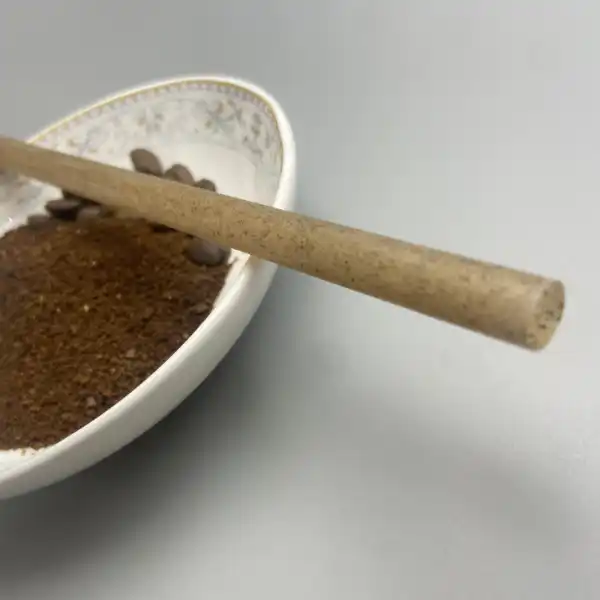
A: Certain heat-resistant biodegradable materials like #IAMPLASTICFREE’s wood-based straws maintain integrity in hot beverages—always check manufacturer specifications.
Q: How do I verify straw eco-friendliness?
A: Require USDA BioPreferred or equivalent certifications. Request full lifecycle documentation from suppliers, including sourcing and disposal protocols.