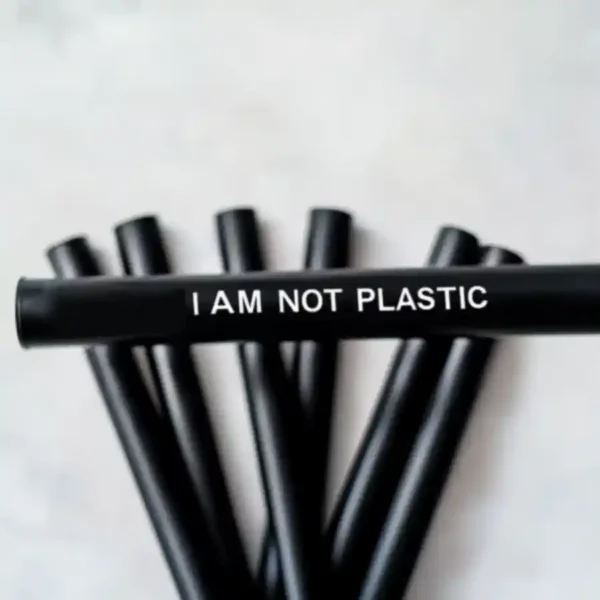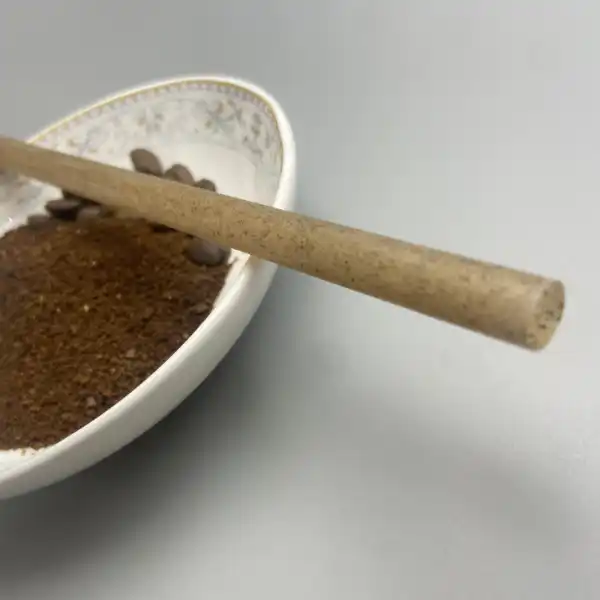

في بوتقة التحول البيئي العالمي، ظهرت الشفاطات الصديقة للبيئة كنموذج مصغر قوي للتغيير المنهجي - متجاوزًا مجرد ابتكار المنتج ليصبح بيانًا عميقًا للمسؤولية البيئية الجماعية. يستكشف هذا السرد الديناميكيات المعقدة التي تقود ثورة الاستهلاك المستدام، ويكشف كيف يمكن للخيارات التي تبدو صغيرة أن تحفز تأثيرًا بيئيًا ذا معنى.
1. The Paradigm Shift: Sustainability as a Consumer Imperative
لم يعد الاستهلاك الحديث مجرد معاملات؛ إنه حوار قائم على القيم بين المستهلكين والشركات والكوكب. تمثل القشة الصديقة للبيئة هذا التطور الفلسفي:
- الذكاء البيئي: ينظر المستهلكون بشكل متزايد إلى قرارات الشراء من خلال عدسة بيئية شاملة، ويطالبون بالشفافية والاستدامة الحقيقية.
- زخم الأجيال: Millennials and Gen Z are not passive observers but active architects of systemic change, with 73% willing to financially prioritize environmentally responsible products [Nielsen Global Sustainability Report, 2022].
- المشهد التنظيمي: Global legislative frameworks are rapidly transforming from passive recommendations to aggressive interventions against single-use plastics.
Learn more about sustainable products here.
Visit Environmental Foundation for more insights.
2. Scientific Innovation Meets Consumer Consciousness
Eco-friendly straws epitomize the intersection of technological innovation and environmental stewardship:
- اختراق علم المواد: Advanced biomaterials like agricultural waste composites offer scientifically validated biodegradation pathways, decomposing within six months. Learn more about this technology at the Green Materials Research Institute [2022].
- Health Considerations: Beyond environmental benefits, consumers are increasingly cognizant of potential chemical leaching from traditional plastic products. Discover the health implications on Healthy Society.
- Circular Economy Principles: These sustainable alternatives represent a tangible manifestation of regenerative economic models. Read about circular economy at Circular Economy Foundation.
3. Digital Amplification: The Social Media Sustainability Ecosystem
Social platforms have transformed environmental advocacy from niche discourse to mainstream movement:
- Influencer Impact: Digital thought leaders are crafting compelling narratives that humanize sustainability, making ecological consciousness accessible and engaging. Follow influential voices in sustainability on platforms like تويتر.
- Community-Driven Momentum: User-generated content creates authentic, peer-validated sustainability narratives that transcend traditional marketing approaches. Join the conversation on انستغرام.
- Transparent Brand Storytelling: Organizations demonstrating genuine ecological commitment gain unprecedented digital credibility. Learn about transparent branding at Sustainable Brands.
4. Market Dynamics: The Economics of Sustainable Innovation
Empirical data illuminates the robust growth trajectory of sustainable markets:
- Global Market Projection: Sustainable product ecosystems are anticipated to reach $250 billion by 2025, with a compound annual growth rate of 9.7% [McKinsey Global Sustainability Report, 2023].
- Premium Value Perception: 78% of global consumers demonstrate willingness to invest in environmentally responsible products [Deloitte Sustainability Consumer Insights, 2022].
- التمايز التنافسي: Sustainable product lines are no longer peripheral but central to strategic market positioning.
5. Strategic Roadmap for Organizational Transformation
For businesses navigating the sustainable innovation landscape:
- Holistic Transition Strategies: Develop comprehensive approaches integrating sustainable alternatives across product portfolios.
- Authentic Communication: Craft nuanced narratives that articulate tangible environmental and social value propositions.
- Ecosystem Collaboration: Foster partnerships with innovative suppliers committed to technological and ecological advancement.
Case Study: NatureBioEco’s Sustainable Straw Revolution

ولنتأمل هنا منظمة NatureBioEco، وهي منظمة رائدة نجحت في تحويل قيود السوق المحتملة إلى فرص مبتكرة. ومن خلال تطوير الشفاطات من المنتجات الثانوية الزراعية، لم يقللوا من النفايات البلاستيكية فحسب، بل خلقوا فرصًا اقتصادية للمجتمعات الزراعية. تعرف على المزيد حول رحلتهم على ثورة القش المستدامة في NatureBioEco.
Conclusion: Beyond Products, Towards Planetary Stewardship
ترمز الشفاطات الصديقة للبيئة إلى أكثر من مجرد الابتكار التكنولوجي، فهي تمثل إعادة تصور جماعي للعلاقات بين الإنسان والبيئة. يصبح كل خيار مستدام بمثابة تصويت لمستقبل متجدد، حيث تقود قرارات المستهلك التحول البيئي المنهجي.
للحصول على حلول مستدامة مخصصة تعمل على مواءمة الابتكار التكنولوجي مع الإشراف البيئي، اتصل بنا ماكس جيانغ في NatureBioeco وتصبح حافزا للثورة الخضراء.
Learn more about sustainable practices at تأثير بيئي or explore technological innovations at Tech for Good.
أسئلة مكررة
ما هي القش الصديقة للبيئة المصنوعة من؟
Eco-friendly straws can be made from various biodegradable materials such as bamboo, paper, or plant-based plastics. Unlike traditional plastic, these materials decompose naturally, reducing environmental pollution and promoting a healthier ecosystem.
How do eco-friendly straws benefit the environment?
By using eco-friendly straws, consumers help reduce the amount of non-biodegradable waste in ecosystems. These straws decompose naturally, which means less pollution and a healthier planet. They are a practical step towards reducing your environmental footprint.
Where can I purchase eco-friendly straws?
Eco-friendly straws are available at various online retailers and physical stores. Websites like Amazon و Eco Products Store offer a wide range of biodegradable straw options that align with sustainable living practices.
Are there any alternatives to eco-friendly straws?
Yes, alternatives include reusable straws made from materials like stainless steel, silicone, or glass. These products provide a durable and environmentally friendly option for those looking to minimize their ecological impact further.
How long do eco-friendly straws take to decompose?
The decomposition rate of eco-friendly straws varies based on material but typically ranges from a few months to several years. This is significantly faster than plastic straws, which can take hundreds of years to break down.
هل يمكن إعادة تدوير الشفاطات الصديقة للبيئة؟
تم تصميم معظم الشفاطات الصديقة للبيئة للتحلل البيولوجي بدلاً من إعادة التدوير. ومع ذلك، قد تكون بعض الأنواع المصنوعة من البلاستيك النباتي قابلة لإعادة التدوير. تحقق دائمًا من إرشادات إعادة التدوير المحلية لضمان التخلص السليم.
ما هي مقارنة التكلفة بين القش التقليدي والصديق للبيئة؟
تكلف الشفاطات الصديقة للبيئة بشكل عام أكثر من الشفاطات البلاستيكية التقليدية بسبب المواد المستدامة المستخدمة في إنتاجها. ومع ذلك، فإن الفوائد البيئية التي تقدمها تبرر نقطة السعر الأعلى للعديد من المستهلكين.
ما هي المبادرات التي تدعم استخدام المصاصات الصديقة للبيئة؟
تدعو العديد من المبادرات العالمية والسياسات المحلية إلى استخدام الشفاطات الصديقة للبيئة كجزء من الجهود الأوسع لتقليل النفايات البلاستيكية. المنظمات مثل الحفاظ على المحيط actively promote alternatives to single-use plastics.
Interested in making a difference? اتصل بنا at NatureBioEco to find out how you can contribute to environmental sustainability through simple changes in your daily life.