I. Indledning
I en æra, hvor miljøhensyn er i højsædet i den globale diskurs, kan betydningen af bæredygtig praksis ikke overvurderes. Komposterbarhed repræsenterer en afgørende løsning i jagten på miljøbevarelse. Denne blog dykker ned i begrebet komposterbarhed, dets fordele og dets rolle i at reducere spild og samtidig fremme en cirkulær økonomi. Ved at forstå komposterbare materialer og deres korrekte brug kan vi i fællesskab tage meningsfulde skridt hen imod at fremme en sundere planet.
II. Understanding Compostability
A. Definition af komposterbar
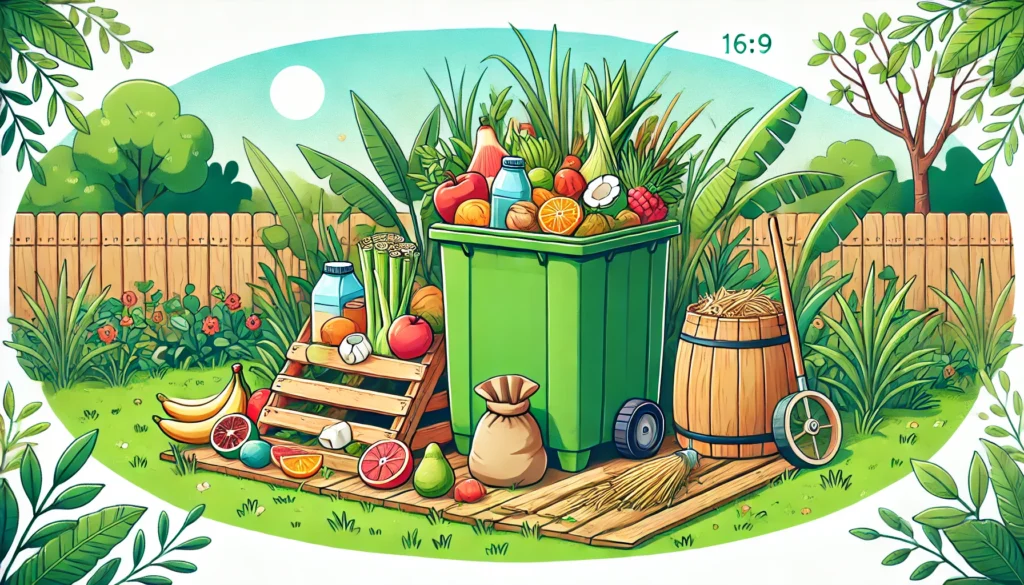
Compostable materials are organic substances that break down into natural elements, such as water, carbon dioxide, and nutrient-rich compost, leaving no toxic residues. This decomposition process occurs under specific conditions, such as the presence of oxygen, moisture, and heat.
B. How Compostable Differs from Biodegradable
While both compostable and biodegradable materials decompose over time, the distinction lies in their environmental impact. Biodegradable items may leave residues or fail to enrich the soil, whereas compostable materials transform into beneficial organic matter under controlled conditions.
C. Examples of Compostable Materials
Compostable materials are increasingly versatile and include:
- Food scraps: Fruits, vegetables, and coffee grounds.
- Yard waste: Græsafklip og blade.
- Papirprodukter: Ubelagt pap, papirhåndklæder og servietter.
- Plantebaseret plast: PLA-baserede produkter, såsom komposterbare sugerør og bestik.
III. The Benefits of Compostable Materials
A. Miljøpåvirkning
Komposterbare materialer reducerer lossepladsaffald, som er en væsentlig bidragyder til metan-emissioner - en drivhusgas langt mere potent end kuldioxid. Ved at omdirigere organisk affald til komposteringsanlæg understøtter disse materialer indsatsen for at bekæmpe klimaændringer.
B. Reduktion af affald
Komposterbare produkter muliggør en omdannelse af affald til næringsrige jordændringer, hvilket reducerer mængden af affald, der sendes til lossepladser, samtidig med at bæredygtige landbrugsmetoder understøttes.
C. Bidrag til en cirkulær økonomi
Kompostering lukker ressourcekredsløbet ved at returnere værdifulde næringsstoffer til jorden, i overensstemmelse med principperne for en cirkulær økonomi, hvor ressourcer genbruges og regenereres i stedet for at blive kasseret.
IV. The Process of Composting
A. Hvordan kompostering fungerer
Kompostering er afhængig af mikroorganismer til at nedbryde organisk stof i nærvær af ilt. En balance mellem "brune" (kulstofrige materialer, som tørre blade) og "grønne" (nitrogenrige materialer, som madrester) er afgørende for effektiv nedbrydning.
B. Hjemmekompostering vs. Industriel kompostering
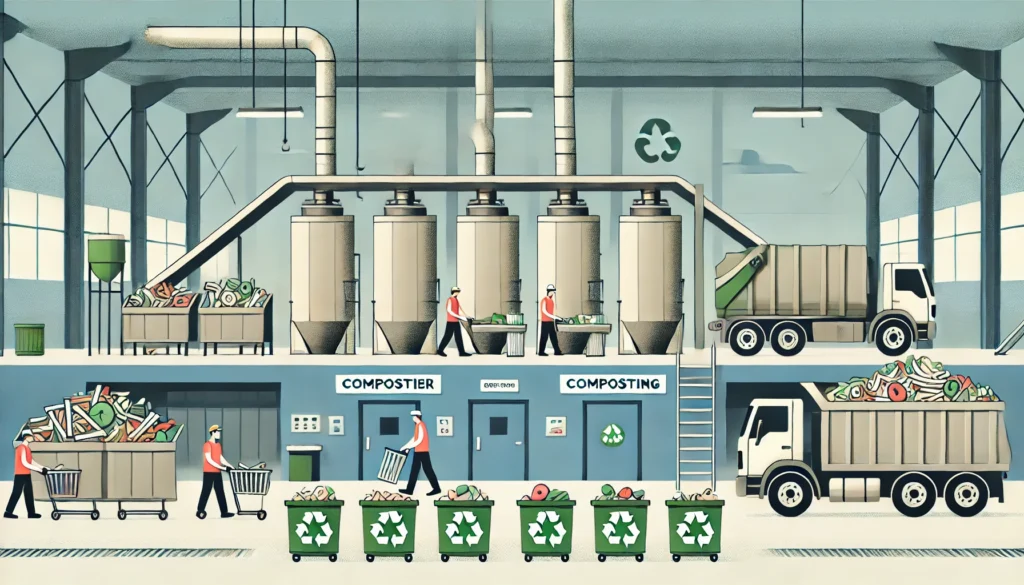
Hjemmekompostering giver enkeltpersoner mulighed for at håndtere små mængder organisk affald, mens industrielle komposteringsanlæg håndterer større mængder og anvender avancerede teknologier til at fremskynde nedbrydning.
C. Korrekt bortskaffelsespraksis
Effektiv kompostering kræver korrekt bortskaffelse af komposterbare materialer. Genstande skal enten placeres i hjemmekompostbeholdere eller bortskaffes gennem kommunale eller industrielle komposteringsprogrammer, når de er tilgængelige.
V. Compostable Products and Certifications
A. Almindelige komposterbare produkter
Examples of compostable items include:
- Plant-based utensils and plates.
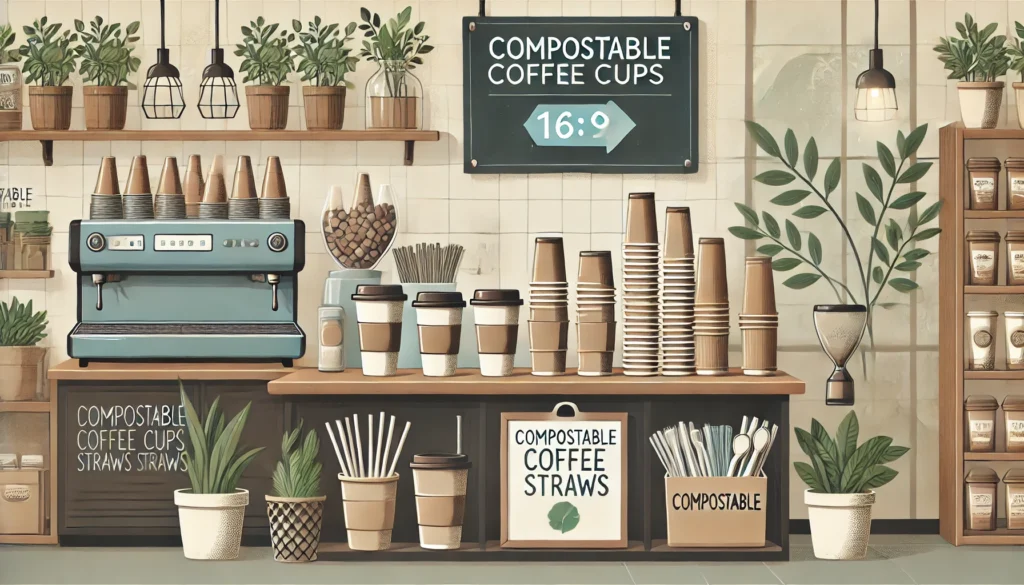
- Compostable coffee cups and lids.
- Food packaging made from sugarcane fiber or other natural materials.
B. Recognizing Certifications
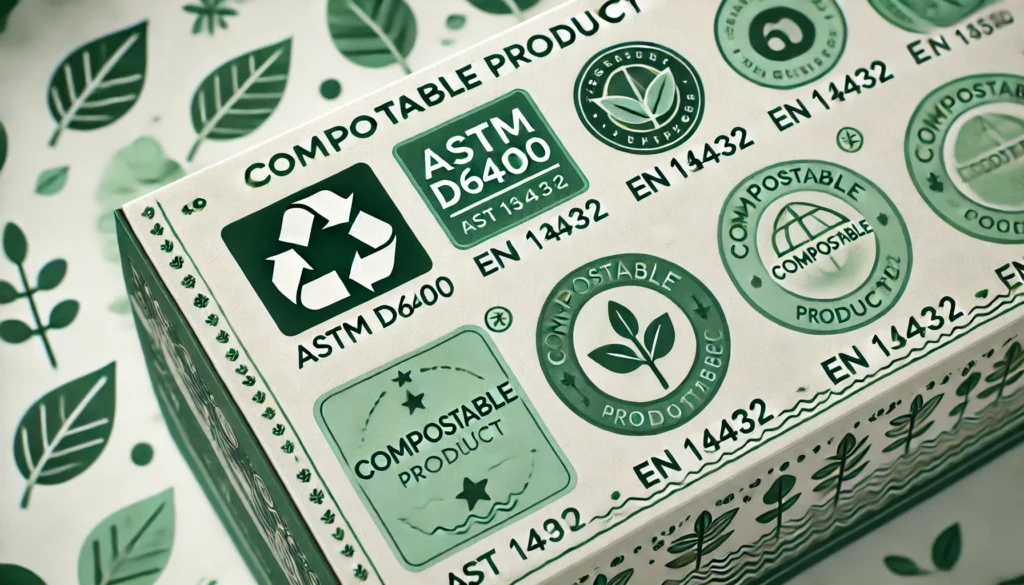
Certifications like ASTM D6400 (USA) and EN 13432 (EU) verify that products meet established standards for compostability, ensuring they decompose under industrial conditions without leaving harmful residues.
C. Importance of Certifications
Verifying certifications helps consumers and businesses identify genuine compostable products, avoiding greenwashing or misleading claims.
VI. Challenges in Adopting Compostable Materials
A. Barriers to Adoption
Consumers and businesses often face challenges such as:
- Higher costs compared to traditional materials.
- Limited infrastructure for industrial composting.
- Misconceptions about what is truly compostable.
B. Addressing Misconceptions
Public education campaigns are essential to dispel myths and promote understanding of compostable materials’ proper use and benefits.
C. Proposed Solutions
Investments in composting infrastructure, government incentives, and business collaboration can address barriers and encourage widespread adoption of compostable products.
VII. The Role of Companies in Promoting Compostability
A. Leading by Example: NatureBioEco
NatureBioEco has pioneered innovative compostable products, including sugarcane and coffee ground straws. The company collaborates with municipalities and businesses to implement sustainable practices.
B. Case Studies of Success
One initiative involved providing compostable straws to eco-conscious restaurants, significantly reducing plastic waste. These efforts demonstrate how businesses can align profitability with sustainability goals.
C. Corporate Responsibility
Businesses play a critical role in driving change by adopting eco-friendly practices and raising awareness about the importance of compostability.
VIII. FAQs
- Hvad betyder "komposterbar"?
- Compostable materials can break down into natural elements like water and nutrient-rich compost, leaving no harmful residue.
- Hvordan er komposterbar forskellig fra bionedbrydelig?
- While biodegradable materials decompose, they may not enrich the soil or avoid leaving residues. Compostable items meet specific standards to become nutrient-rich compost.
- Can I compost at home?
- Yes, you can compost many materials at home, but some items (e.g., PLA bioplastics) may require industrial composting conditions.
- Are compostable materials cost-effective for businesses?
- While the upfront cost may be higher, businesses benefit from improved brand reputation, customer loyalty, and regulatory compliance.
- Hvilke certificeringer skal jeg kigge efter?
- Look for certifications like ASTM D6400, EN 13432, or TUV OK Compost to ensure the product meets compostability standards.
- What happens if compostable materials end up in landfills?
- Without oxygen and proper conditions, compostable items may fail to decompose properly, potentially emitting methane gas.
- What industries benefit most from compostable products?
- Foodservice, hospitality, retail, and event planning industries are well-suited for compostable product integration.
- How can I start composting at home?
- Begin with a small compost bin, balance carbon-rich and nitrogen-rich materials, and maintain moisture and aeration for efficient decomposition.
IX. Citations
- EPA: Sustainable Management of Food Basics
- Composting Council: Benefits of Composting
- Institut for biologisk nedbrydelige produkter
- NatureBioEco: Compostable Straws
- UNEP Report on Plastic Pollution
- Guide to ASTM Compostability Standards
- EN 13432 Compostability Standard
- Benefits of Circular Economies
X. Conclusion
Adopting compostable materials is not just a choice—it’s a responsibility. By understanding their benefits, using certified products, and promoting proper disposal practices, businesses and individuals can contribute to a more sustainable future. Let’s take the first step toward embracing compostability and fostering a greener, healthier planet.
