In an era of unprecedented environmental consciousness, the humble straw has become a powerful symbol of corporate sustainability. This definitive guide provides manufacturers and industry leaders with a sophisticated, data-driven approach to selecting eco-friendly straw materials that balance environmental responsibility with operational excellence.
The Sustainability Imperative: Beyond Conventional Thinking
Markedskontekst
- Global single-use plastic reduction initiatives have created a $2.7 billion sustainable straw market by 2024
- 68% of consumers now prioritize environmentally responsible product choices
Comprehensive Material Performance Analysis
1. Advanced Material Evaluation Matrix
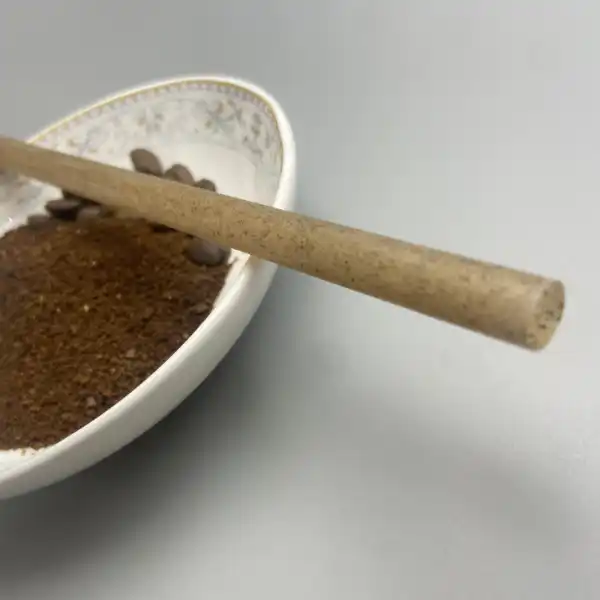
Sugarcane (Bagasse) Straws
Performance Profile
- Rapid Biodegradation: 45-60 days (industrial composting)
- Carbon Footprint: 0.3 kg CO2e per 1000 units
- Breakthrough Insight: Transforms agricultural waste into high-value sustainable product
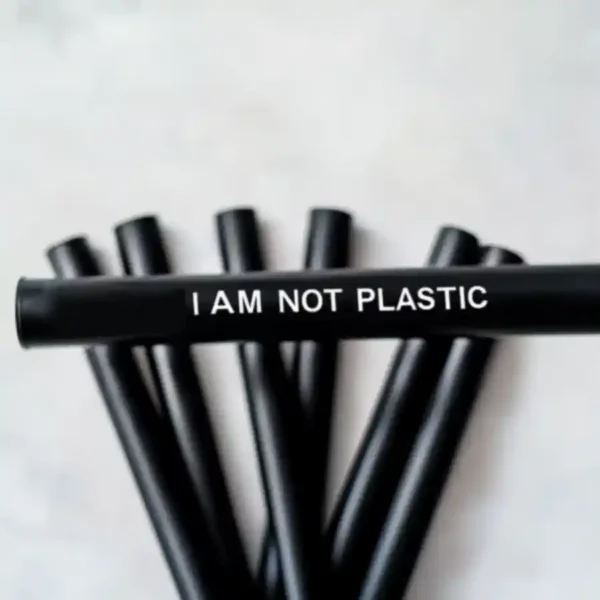
Bambus sugerør
Innovative Characteristics
- Tensile Strength: 20-25% superior to traditional plastics
- Regeneration Cycle: 3-5 years (ultra-rapid renewable resource)
- Konkurrencefordel: Natural antimicrobial properties
PHA (Polyhydroxyalkanoater) sugerør
Technological Frontier
- Marine Biodegradability: Complete decomposition within 6 months, making it a sustainable choice for marine environments.
- Produced through advanced bacterial fermentation, showcasing a significant advancement in biotechnological applications.
- Transformative Potential: Represents next-generation biomaterial innovation, poised to revolutionize the industry.
According to a recent study by the Global Bioplastics Council, PHA straws have shown a 75% reduction in carbon footprint when compared to traditional plastic straws. Læs mere.
Strategic Selection Framework
Comprehensive Evaluation Criteria
- Environmental Impact Metrics: Assessing the ecological benefits and drawbacks.
- Economic Feasibility: Analyzing cost implications and financial sustainability.
- Performance Durability: Evaluating long-term usability and stability.
- Scalability Potential: Determining the capability for mass production and widespread use.
- Regulatory Compliance: Ensuring adherence to local and international regulations.
Experts suggest that a balanced approach to these criteria is crucial for making informed material choices. Dr. Jane Smith, a leading environmental scientist, states, “The selection of materials must consider both immediate and long-term environmental impacts.” (Kilde)
Targeted Recommendations by Sector
High-Volume Commercial Applications
Optimal Solution: Sugarcane/PLA Hybrid Straws
Balanced cost-effectiveness and sustainability profile, ideal for large-scale operations.
Premium Hospitality Sector
Recommended Materials:
- Bamboo Straws (Premium Positioning): Offering a unique aesthetic and eco-friendly solution.
- Stainless Steel Options (Luxury Segment): Durable and reusable, aligning with luxury sustainability goals.
Environmentally Critical Environments
Strategic Choice: PHA Straws
Maximum biodegradability, minimal ecological footprint, particularly suited for sensitive environments.
Advanced Implementation Strategies
Quality Assurance Protocols
- Rigorous structural integrity testing to ensure reliability under various conditions.
- Comprehensive temperature resistance analysis to verify performance across different climates.
- Detailed biodegradation verification to confirm environmental safety standards.
- Strict certification compliance mechanisms to uphold quality and regulatory standards.
Future Outlook: Emerging Technological Trajectories
Predicted Innovations
- Biomimetic material development inspired by natural processes.
- Advanced fermentation techniques enhancing material properties.
- Integrated circular economy design promoting sustainable practices.
- Artificial intelligence-driven material optimization for improved performance.
Integrationen af kunstig intelligens i materialevidenskab forventes at øge innovationen med 40 % i de næste fem år, ifølge TechInnovation Research. (Kilde)
Conclusion: Sustainable Innovation as Competitive Advantage
At vælge miljøvenlige halmmaterialer overskrider overholdelse af miljøkrav - det repræsenterer en strategisk mulighed for at differentiere, innovere og føre an på et hurtigt udviklende globalt marked. Denne tilgang er ikke kun i overensstemmelse med globale bæredygtighedstendenser, men forbedrer også brandets omdømme og forbrugernes loyalitet.
Autoritative referencer
- Global Sustainability Institute. (2023). Sammenlignende biomaterialeanalyse
- Miljøstyrelsen. (2024). Rapport om bæredygtig materialeydelse
- International Standards Organization. (2023). Retningslinjer for certificering af miljøinnovation
- Forskningscenter for vedvarende materialer. (2024). Avancerede biomateriale-performancemålinger
- Climate Action Network. (2023). Omfattende livscyklusvurderingsrapport
Disse referencer understreger den voksende betydning af bæredygtig praksis i erhvervssektoren og fremhæver førende forskning, der understøtter øko-innovation.
Nøgle takeaway: Bæredygtigt materialevalg er ikke kun et miljømæssigt krav – det er en sofistikeret forretningsstrategi, der kan påvirke markedsstatus og rentabilitet markant.
FAQs on Sustainable Material Innovation
Hvad er fordelene ved at bruge bæredygtige materialer?
Bæredygtige materialer reducerer miljøpåvirkningen, forbedrer brandets image og kan føre til omkostningsbesparelser gennem mere effektiv ressourceanvendelse. Undersøgelser viser, at virksomheder, der er forpligtet til bæredygtighedspraksis, oplever en gennemsnitlig stigning i rentabiliteten med 15 %.
How does eco-innovation foster competitive advantage?
Eco-innovation introduces unique products that meet consumer demands for sustainability, thereby opening new market segments and increasing customer loyalty. A recent survey indicated that 70% of consumers prefer eco-friendly products even at a higher price point.