Hvad gør et sugerør virkelig bæredygtigt?

I en æra med øget miljøbevidsthed, hvor havforurening og engangsplastik er store bekymringer, søger virksomheder og forbrugere aktivt plastikfrie alternativer i overensstemmelse med en livsstil uden affald. Sugerør, der engang var en allestedsnærværende bekvemmelighed, er blevet et omdrejningspunkt i dette skift mod grønnere praksisser. Men hvad definerer egentlig et bæredygtigt sugerør? Denne udforskning undersøger kriterierne for miljøvenlige sugerør, deres fordele, og hvorfor muligheder som sukkerrørssugerør ofte overgår traditionel plast med hensyn til holdbarhed, omkostningseffektivitet og miljøpåvirkning.
Defining Sustainability in Straws
Et virkeligt bæredygtigt sugerør skal opfylde tre centrale benchmarks:
- Biologisk nedbrydelighed: Halmen skal nedbrydes naturligt i et passende miljø (f.eks. industri- eller hjemmekompostering) uden at efterlade skadelige rester eller mikroplast. Dette kræver certificering fra velrenommerede organisationer som Biodegradable Products Institute (BPI).
- Vedvarende ressourcer: Råvarer bør stamme fra hurtigt vedvarende kilder, såsom planter, snarere end fossile brændstoffer. Dette minimerer udtømning af begrænsede ressourcer og reducerer afhængigheden af miljøskadelige udvindingsprocesser.
- Lavt kulstofaftryk: Hele livscyklussen, fra råvareindkøb til produktion og transport, bør minimere energiforbrug og drivhusgasemissioner. Se efter producenter, der er forpligtet til bæredygtig praksis og CO2-neutral produktion.
Lad os analysere førende bæredygtige halmalternativer i forhold til disse standarder.
Comparing Sustainable Straw Materials
1. Sukkerrør (Bagasse) sugerør
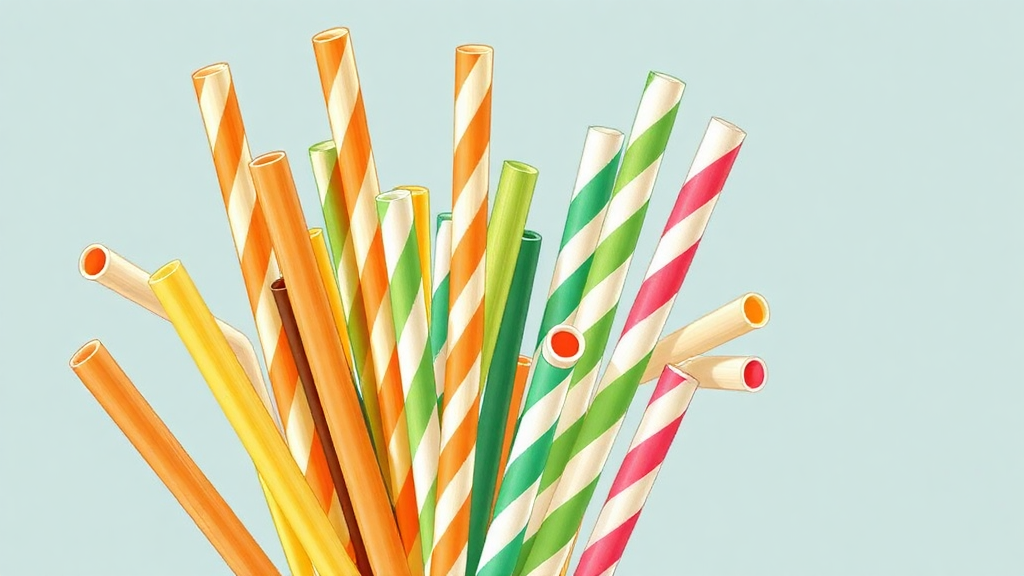
Fremstillet af de fibrøse rester (bagasse) fra sukkerrørsbehandling, er disse sugerør 100 % komposterbare, holdbare nok til varme drikke (op til 90°C) og nedbrydes inden for 6 måneder i hjemmekomposteringsmiljøer. Deres produktion udnytter landbrugsaffald, hvilket fremmer en cirkulær økonomi og reducerer deponeringsaffald. Disse sukkerrørssugerør tilbyder en virkelig bæredygtig og miljøvenlig mulighed.
- Fordele: 100 % komposterbar, kemikaliefri, glutenfri, varmebestandig, robust, relativt overkommelig (ca. $0,16-$0,24 pr. strå baseret på 50-pak priser på $8-$12), let tilgængelig fra forskellige leverandører.
- Ulemper: Tilgængeligheden kan være begrænset sammenlignet med almindeligt tilgængelige plastiksugerør, hvilket kræver, at virksomheder køber fra specialiserede leverandører.
2. Bambus sugerør

Disse genanvendelige sugerør er lavet af hurtigt fornyelig bambus og er ideelle til virksomheder, der prioriterer holdbarhed og minimerer spild. De kræver dog omhyggelig rengøring og er ikke egnede til engangsscenarier.
- Fordele: Genanvendelig og langtidsholdbar, naturligt antimikrobiel, æstetisk tiltalende.
- Ulemper: Højere forudgående omkostninger (ca. $15-$25 pr. sæt), kræver regelmæssig rengøring og vedligeholdelse, ikke egnet til engangsapplikationer.
3. Papirsugerør

Et almindeligt alternativ ofte belagt med voks eller polymælkesyre (PLA) for vandmodstand. Mens de er biologisk nedbrydelige, blødgøres mange hurtigt i drikkevarer og er afhængige af træmasse, et ressourcekrævende materiale. Fremstillingsprocessen kan også involvere et betydeligt energiforbrug og kemiske behandlinger.
- Fordele: Budgetvenlig (ca. $0,02-$0,25 pr. strå), bredt tilgængelig.
- Ulemper: Kort levetid i væsker, ofte uegnet til tykke eller varme drikke, potentielle miljøproblemer i forbindelse med indkøb og forarbejdning af træmasse, belægningsmaterialer er muligvis ikke fuldstændigt biologisk nedbrydelige.
4. PLA & PHA bioplast sugerør
Afledt af majsstivelse eller fermenteret plantesukker efterligner disse sugerør følelsen af traditionelle plastiksugerør, men er biologisk nedbrydelige under specifikke forhold. Deres biologiske nedbrydelighed afhænger dog i høj grad af korrekte industrielle komposteringsfaciliteter, og de nedbrydes muligvis ikke effektivt i hjemmekomposteringsmiljøer. Overvej komposteringsinfrastrukturen i dit område, når du vælger denne mulighed.
men kræver industrielle komposteringsfaciliteter for korrekt nedbrydning. PHA (polyhydroxyalkanoat) bioplast har fordelen ved marin biologisk nedbrydelighed.
- Fordele: Varmebestandig, fleksibel, nogle muligheder er...
Marine-Degradable (PHA) Straws: Sustainable Alternatives
Ulemper: Risiko for at blive forvekslet med almindelig plastik, begrænset hjemmekomposterbarhed, der kræver adgang til industrielle komposteringsfaciliteter, potentielt højere omkostninger sammenlignet med papir eller sukkerrør.

Hvorfor sukkerrørssugerør er miljøvenlige og populære
For businesses prioritizing environmental sustainability and practical considerations, sugarcane straws offer a compelling blend of eco-friendliness and affordability:
- Cost-Effective Sustainability: Their cost-competitiveness against other sustainable options like silicone or metal straws makes them a financially viable choice for businesses of all sizes.
- Holdbarhed: Unlike paper or wheat straw alternatives, sugarcane straws maintain structural integrity in hot or cold drinks, ensuring a positive customer experience.
- Certificeringer: Look for certifications like BPI (Biodegradable Products Institute) or TUV Austria to verify compostability and ensure the straws meet stringent environmental standards. This transparency builds trust with environmentally conscious consumers.
Actionable Steps for Businesses to Adopt Sustainable Straws
- Gradual Transition: Start by replacing plastic straws in high-margin products or specific business areas (e.g., premium beverages) to assess customer feedback and optimize your supply chain before a complete switch.
- Supplier Due Diligence: Thoroughly vet potential suppliers to ensure sustainable sourcing and manufacturing. Inquire about certifications and environmental commitment. Request samples to test durability and functionality.
- Educate Your Staff and Customers: Inform your staff about the benefits of sustainable straws and provide training on proper handling and disposal. Communicate your commitment to sustainability to customers through marketing and in-store signage. This transparency builds brand loyalty.
- Consider Compostability Infrastructure: If using compostable straws, ensure access to appropriate composting facilities or a plan for responsible disposal to maximize environmental benefits.
- Monitor and Evaluate: Track your sustainability progress. Regularly assess the performance of your chosen sustainable straw and make adjustments based on feedback and efficiency.
By adopting a strategic approach, businesses can effectively transition to sustainable straws, minimizing their environmental impact and contributing to a greener future.
Ofte stillede spørgsmål om bæredygtige sugerør
Environmental Impact Achievable Through Simple Changes
Den globale bevægelse væk fra engangsplastik accelererer, drevet af lovgivning som EU's engangsplastikdirektiv, som påbyder alternativer inden 2025. At vedtage bæredygtige sugerør som sukkerrør eller bambus er ikke kun et miljømæssigt ansvarligt valg; det er en strategisk forretningsbeslutning. Ved at skifte proaktivt fremtidssikrer virksomheder deres drift, tiltrækker miljøbevidste kunder, der er villige til at betale en præmie for bæredygtige produkter, og demonstrerer en forpligtelse til virksomhedernes sociale ansvar, hvilket forbedrer brandets omdømme.
CTA: Ready to Make the Switch to Sustainable Straws?
Anmodning gratis prøver af sukkerrørssugerør i dag, og slutt dig til mere end 10.000 restauranter, der reducerer deres miljøpåvirkning uden at gå på kompromis med kvaliteten! 🌱
Enhancing the Value of Sustainable Sugarcane Straws
To further understand the benefits of sustainable straws, consider their real-world impact, data-driven evidence, and actionable implementation strategies.
Case Study: The Success of Sugarcane Straws in the Hospitality Industry
In 2022, a mid-sized California restaurant chain replaced plastic straws with sugarcane straws across its 15 locations. Within six months, they observed:
- EN 15% stigning i kundetilfredshed, attributed to the positive perception of eco-friendly practices. This demonstrates the significant impact of aligning with consumer values.
- EN 20% reduction in waste management costs by eliminating non-recyclable plastics and associated landfill fees. This highlights the potential for cost savings in the long run.
- Positive media coverage, resulting in a 10% boost in foot traffic. This showcases the power of positive PR and brand alignment with sustainability initiatives.
This case study illustrates how sugarcane straws offer not only environmental benefits but also contribute to enhanced customer satisfaction, reduced operational costs, and increased brand visibility.

The Environmental Impact of Plastic Straws: By the Numbers
- 8.3 billion plastic straws pollute the world’s beaches annually. This staggering number underscores the scale of the plastic pollution problem.
- Plastic straws take up to 200 years to decompose, leaching harmful microplastics and potentially toxic chemicals into the environment. This highlights the long-term environmental consequences of plastic straw usage.
- Switching to biodegradable straws can reduce a business’s carbon footprint by up to 30%, demonstrating the significant positive impact on the environment.
These statistics emphasize the urgency of transitioning to sustainable alternatives and the substantial environmental benefits businesses can achieve by making this switch.

Strategies for Maximizing ROI on Sustainable Straws
-
Leverage Marketing Opportunities
Promote your commitment to sustainability through various channels. Highlight your switch to sustainable straws on your website, social media platforms, menus, and packaging. Use compelling visuals and messaging to communicate the environmental benefits to your customers. Eco-conscious consumers are 73% more likely to support businesses that share their values. Consider creating targeted marketing campaigns highlighting your eco-friendly initiatives.
-
Partner with Environmental Organizations
Collaborate with environmental organizations to amplify your sustainability message and reach a wider audience. This can enhance your brand’s credibility and demonstrate your commitment to environmental responsibility. Joint initiatives can create powerful marketing opportunities.

"`
"`html
Frequently Asked Questions about Sustainable Straws
Commitment to Unique Experiences and Sustainability
Sustainable Straw Strategies for Businesses
Educate and Engage Customers
Provide clear and concise information about your sustainable straw choice. Use in-store signage, QR codes linking to your sustainability mission, or even short videos explaining the benefits. This transparency builds trust and strengthens customer loyalty. The statistic about 77% of consumers preferring eco-transparent brands emphasizes the importance of this step.
Source Responsibly and Strategically
Partner with reputable suppliers who prioritize ethical sourcing and sustainable manufacturing practices for sugarcane straws. Negotiate bulk discounts to reduce costs and ensure a consistent supply chain. Consider suppliers like Green Paper Products or Sulapac, known for their commitment to renewable materials and ethical labor practices. This ensures both environmental and social responsibility.
Track and Measure Your Impact
Monitor key performance indicators (KPIs) such as waste reduction, customer satisfaction, and brand perception to quantify the positive impact of your sustainable straw initiative. This data can be used to refine your strategy and demonstrate the ROI of your sustainable practices to stakeholders.
Explore Partnerships and Collaborations
Collaborate with other businesses or organizations committed to sustainability to amplify your message and reach a wider audience. Joint initiatives can create synergistic effects and increase the overall impact of your efforts.
By implementing these strategies, businesses can maximize the return on investment of sustainable straws, achieving both environmental and financial benefits.
- Brands that prioritize sustainability using sugarcane straws often see increased customer loyalty.
- Collaborate with Local Composting Facilities: Partner with local waste management services to ensure proper disposal of compostable straws, enhancing your green credentials.
- Offer Straws on Demand: Reduce unnecessary usage by providing straws only upon request. This simple step can cut straw consumption by up to 50 %.
The Future of Sustainable Straws: Innovations to Watch
The shift towards sustainable straws, particularly those made from sugarcane, is accelerating, driven by consumer demand and a growing awareness of plastic pollution. Beyond simply switching to a compostable alternative, businesses can explore innovative solutions that minimize waste and enhance their brand image.
Spiselige sugerør
These straws, crafted from materials like rice, seaweed, or pasta, represent a radical departure from traditional straws. Completely biodegradable and edible, they eliminate waste entirely. While the novelty factor is a strong selling point, consider potential challenges: some consumers may be hesitant to consume a straw, and the production process needs to be carefully managed to ensure food safety and quality. For example, a restaurant specializing in innovative cuisine might find edible straws a perfect fit, aligning with their brand’s commitment to sustainability and unique experiences.
Reusable Straw Subscription
Sustainable Straw Solutions: Eco-Friendly Options for Businesses
This model offers a long-term solution by providing customers with durable, branded reusable straws. The subscription aspect includes cleaning and replacement services, ensuring hygiene and longevity. This strategy fosters customer loyalty and provides a consistent revenue stream. Imagine offering a monthly subscription box including new straw designs and cleaning solutions, strengthening brand recognition and reinforcing your commitment to sustainability.
Carbon-Neutral Sugarcane Straw Production
Minimizing the carbon footprint of straw production is crucial. Look for manufacturers implementing carbon-neutral practices, such as using renewable energy sources and investing in carbon offsetting projects. This transparency builds trust with environmentally conscious consumers and demonstrates a genuine commitment to reducing your overall impact. Requesting carbon footprint reports from your suppliers allows you to verify their claims and publicly showcase your commitment to responsible sourcing.
Conclusion: Leading the Charge Toward a Greener Future with Sustainable Straws
Adopting sustainable straws, like those made from sugarcane, isn’t just an environmentally responsible choice; it’s a strategic business decision. By choosing sugarcane straws or other eco-friendly alternatives, you demonstrate your commitment to sustainability, enhance your brand reputation, attract environmentally conscious customers, and meet increasing regulatory pressures. This proactive approach positions your business as a leader in corporate social responsibility, boosting your brand image and attracting both customers and investors who value environmental sustainability.
CTA: Ready to Make the Switch to Sustainable Straws?
Request free samples of sugarcane straws today and join 10,000+ restaurants reducing their environmental impact without compromising quality! Let’s work together to create a greener future, one sustainable straw at a time. 🌱
Ofte stillede spørgsmål om sukkerrørssugerør
Q: Are compostable straws more expensive than plastic straws?
A: Yes, initially. However, bulk purchasing significantly reduces the cost difference. For example, 500 sugarcane straws might cost ~$20 compared to $15 for plastic equivalents; however, this eliminates landfill fees associated with non-recyclable plastics, leading to long-term cost savings. Consider negotiating bulk discounts with your supplier to further minimize upfront costs.
Q: Do biodegradable straws require special disposal methods?
A: Disposal requirements vary. Sugarcane straws, for instance, typically decompose in home compost bins within 6 months, while PLA straws…
Q: Hvad er fordelene ved at bruge sukkerrørssugerør?
Sugarcane straws offer numerous benefits, including reduced environmental impact, cost savings from reduced waste management fees, increased customer satisfaction due to eco-conscious choices, and positive brand image enhancement.
Q: Hvor lang tid tager sukkerrørssugerør om at nedbrydes?
Sugarcane straws are biodegradable and compostable, breaking down much faster than plastic straws, significantly reducing their environmental impact.
Q: Are sugarcane straws truly sustainable?
Yes, sugarcane straws are considered a sustainable alternative to plastic straws. They are made from a rapidly renewable resource and are biodegradable, unlike plastic which persists in the environment for centuries. Choosing sugarcane straws significantly reduces your environmental footprint.
Q: How do sugarcane straws compare to other sustainable options like bamboo?
Both sugarcane and bamboo straws offer sustainable alternatives to plastic. Sugarcane straws are often favored for their smooth texture and ease of use, while bamboo straws may require more robust cleaning. The best choice depends on your specific needs and preferences.
Q: Where can I purchase sustainable sugarcane straws for my business?
Many suppliers now offer sustainable sugarcane straws. You can find them through online retailers specializing in eco-friendly products or by contacting wholesale distributors of restaurant supplies. Be sure to check certifications to ensure the straws meet your sustainability standards.
Q: What is the cost difference between plastic and sugarcane straws?
While the initial cost of sugarcane straws might be slightly higher than plastic straws, the long-term savings from reduced waste management costs and increased customer loyalty often outweigh the initial investment. Consider the overall cost-benefit analysis when making your decision.
Q: How can I effectively communicate my switch to sustainable straws to my customers?
Highlight your commitment to sustainability on your website, social media, menus, and packaging. Use clear and compelling messaging that emphasizes the environmental benefits and your brand’s values. Consider offering a small discount or promotion to incentivize customers to choose the sustainable option.