I. Einführung
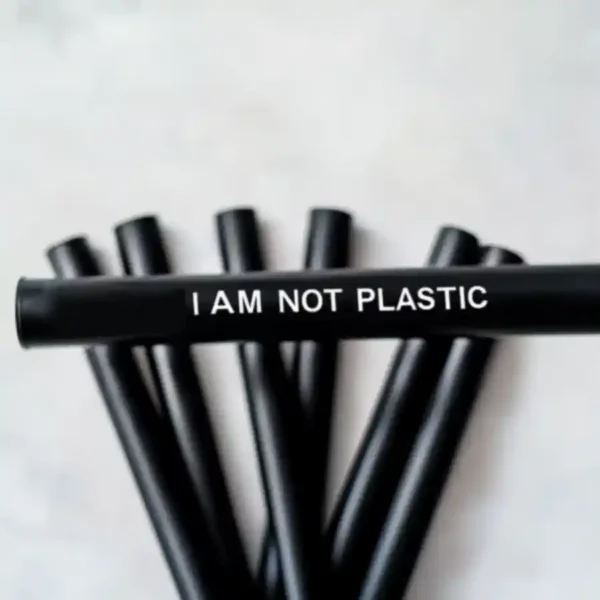
Die Plastikverschmutzung ist zu einem der drängendsten Umweltprobleme unserer Zeit geworden, da Einwegkunststoffe – insbesondere Strohhalme – erheblich zum weltweiten Abfall beitragen. Als Reaktion darauf wenden sich Unternehmen und Verbraucher zunehmend an Biologisch abbaubare Boba -Strohhalme als Alternative. Es bleiben jedoch Fragen hinsichtlich ihrer Wirksamkeit, Entsorgungsmethoden und Wirtschaftlichkeit bestehen.
Dieser Artikel bietet einen umfassenden Leitfaden zu biologisch abbaubaren Boba-Strohhalmen und behandelt deren Materialien, Leistung, Entsorgung, Geschäftsvorteile und zukünftige Trends.

II. Informationen zu biologisch abbaubaren Boba-Strohhalmen
A. Was sind biologisch abbaubare Boba-Strohhalme?
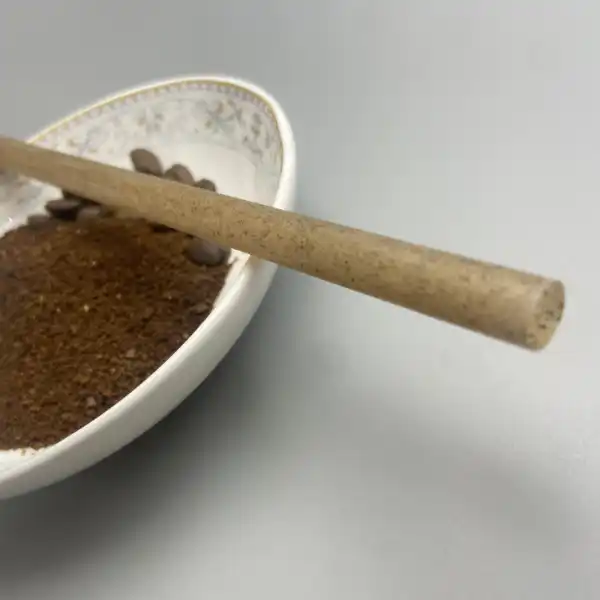
Biologisch abbaubare Boba-Strohhalme sind Trinkhalme, die speziell dafür entwickelt wurden, sich unter den richtigen Bedingungen in natürliche Elemente zu zersetzen und keine schädlichen Rückstände zu hinterlassen. Im Gegensatz zu herkömmlichen Plastikstrohhalmen zersetzen sich diese Alternativen durch natürliche mikrobielle Aktivität und reduzieren so die Umweltbelastung.
B. Der Aufstieg der Nachhaltigkeit in der Boba-Industrie
- Auswirkungen der Plastikverschmutzung: Jährlich gelangen über 8 Millionen Tonnen Plastik in die Ozeane und schädigen das Meeresleben[1].
- Regulatorische Maßnahmen: Länder wie die Europäische Union, Kanada und mehrere US-Bundesstaaten haben Plastikstrohhalme verboten.【2】.
- Verbraucherpräferenz: Studien zeigen, dass 73 % der Millennials bereit sind, mehr für nachhaltige Produkte zu zahlen[3].

III. Vergleich biologisch abbaubarer Strohmaterialien für Boba
A. Aufschlüsselung der verfügbaren Materialien
| Material | Profis | Nachteile |
|---|---|---|
| Zuckerrohrfaser | Robust, kompostierbar, geschmacksneutral | Erfordert industrielle Kompostierung |
| PLA (Maisbasierte) | Ähnlich wie Kunststoff, hitzebeständig | Benötigt industrielle Kompostierung, nicht für den Heimgebrauch geeignet |
| Bambus | Langlebig, wiederverwendbar | Teurer als Einwegoptionen |
| Papier | Kostengünstig, weit verbreitet | Wird schnell feucht |
| Reis/Weizen | Essbar, vollständig biologisch abbaubar | Weniger haltbar für dicke Getränke |
B. Bestes Material für Bubble Tea
- Breiter Durchmesser: Unverzichtbar für Tapiokaperlen.
- Haltbarkeit: Muss dicken Getränken und längerem Gebrauch standhalten.
- Keine Geschmacksveränderung: Einige Materialien, wie z. B. Papier, können den Geschmack von Getränken beeinträchtigen.

IV. Leistung und Benutzererfahrung
A. How Long Do Biodegradable Straws Last?
- Es bleiben Zuckerrohr- und PLA-Strohhalme übrig 2-3 Stunden funktionsfähig before softening【4】.
- Paper straws tend to weaken within 30-45 Minuten.
B. Customer Concerns
- Taste neutrality: Sugarcane fiber and PLA straws do not alter drink flavor.
- Cup-seal punctureability: Bamboo and PLA straws perform well in sealing film penetration.
- Temperature resistance: PLA withstands high temperatures better than paper-based alternatives.
V. Der Lebenszyklus eines biologisch abbaubaren Boba-Strohhalms
A. Production Process
- Sugarcane fiber is an upcycled agricultural byproduct, making its production sustainable【5】.
- PLA is derived from corn starch and undergoes a polymerization process.
B. Proper Disposal and Composting
- Home kompostierbar: Bamboo, rice, wheat.
- INDUSTRIAL COMPOSTING erforderlich: PLA, Zuckerrohrfaser.
- Herausforderungen beim Recycling: PLA kann traditionelle Kunststoffrecyclingströme verunreinigen.
C. Was passiert, wenn sie auf Mülldeponien landen?
- Zersetzungsraten: Ohne Sauerstoff und Feuchtigkeit verlangsamt sich die Zersetzung erheblich[6].
- Risiko von Methanemissionen: Einige biologisch abbaubare Materialien können Treibhausgase ausstoßen, wenn sie auf Mülldeponien landen.
VI. Auf häufige Missverständnisse eingehen
| Mythos | Wirklichkeit |
|---|---|
| „Biologisch abbaubare Strohhalme zerfallen sofort“ | Für den vollständigen Abbau sind geeignete Kompostierungsbedingungen erforderlich. |
| „Alle umweltfreundlichen Strohhalme sind gleich“ | Verschiedene Materialien haben unterschiedliche Haltbarkeit und Zersetzungsgeschwindigkeiten. |
| „Sie sind zu teuer für Unternehmen“ | Die Kosten sinken und Großbestellungen machen sie wettbewerbsfähig. |
| „Papierstrohhalme sind die einzige Alternative“ | Zuckerrohr, PLA und Bambus bieten eine hervorragende Haltbarkeit. |
VII. Warum Unternehmen auf biologisch abbaubare Boba-Strohhalme umsteigen sollten
A. Wirtschaftliche Vorteile und Markenvorteile
- Verbrauchernachfrage: 78 % der Verbraucher bevorzugen Unternehmen mit nachhaltigen Praktiken[7].
- Einhaltung gesetzlicher Vorschriften: Vermeiden Sie mögliche Bußgelder durch Plastikverbote.
- Nachhaltigkeitsmarketing: Verbessert den Ruf der Marke und die Kundenbindung.
B. Fallstudien: Erfolg in der Bubble Tea-Branche
- Große Ketten wie Starbucks und Costa Coffee haben auf Plastikstrohhalme verzichtet.
- Unabhängige Boba-Teeläden Die Einführung biologisch abbaubarer Optionen berichtet von einem Anstieg der umweltbewussten Kundschaft.
C. Herausforderungen im Übergang meistern
- Kunden erziehen auf die ordnungsgemäße Entsorgung.
- Lagerbestand verwalten um eine Materialverschlechterung zu verhindern.
- Auswahl des richtigen Lieferanten um eine gleichbleibende Qualität zu gewährleisten.

VIII. Die Zukunft biologisch abbaubarer Boba-Strohhalme
A. Innovationen in der nachhaltigen Strohtechnologie
- Strohhalme auf Algenbasis: Vollständig essbar, kein Abfall.
- Hybrid-Strohhalme aus Bambusfaser: Entwickelt für verbesserte Haltbarkeit.
B. Globale Trends und bevorstehende Vorschriften
- Der EU, Kanada und Australien die Maßnahmen gegen Einwegkunststoffe weiter verstärken[8].
C. Wie Verbraucher die Bewegung unterstützen können
- Wählen Sie Cafés, die biologisch abbaubare Strohhalme verwenden.
- Wir setzen uns für eine bessere Kompostierungsinfrastruktur ein in Gemeinden.
- Reduzierung des Einwegabfalls über Strohhalme hinaus (z. B. Umstellung auf kompostierbare Becher und Deckel).
Dein FAQ-Bereich ist gut strukturiert, informativ und geht effektiv auf die wichtigsten Bedenken in Bezug auf biologisch abbaubare Boba-Strohhalme ein. Allerdings zu Klarheit und Engagement verbessern, bedenken Sie Folgendes Verfeinerungen:
Ix. Häufig gestellte Fragen (FAQ)
1. Sind biologisch abbaubare Boba-Strohhalme besser als Plastik?
✅ Ja. Im Gegensatz zu Plastikstrohhalmen, die jahrhundertelang auf Mülldeponien und in den Ozeanen verbleiben, werden biologisch abbaubare Boba-Strohhalme auf natürliche Weise abgebaut, was den langfristigen Abfall und die Umweltverschmutzung deutlich reduziert[1].
2. Zersetzt sich biologisch abbaubare Strohhalme auf Mülldeponien?
❌ Nicht effizient. Die meisten biologisch abbaubaren Materialien erfordern Sauerstoff, Feuchtigkeit und mikrobielle Aktivität richtig zersetzen. Auf Deponien, wo diese Bedingungen nicht gegeben sind, verlangsamt sich die Zersetzung erheblich[6].
3. Wie kann ich überprüfen, ob ein Strohhalm wirklich biologisch abbaubar ist?
🔍 Suchen Sie nach Zertifizierungen wie zum Beispiel:
- ASTM D6400 (USA) – Gewährleistet die Kompostierbarkeit in Industrieanlagen.
- En 13432 (EU) – Garantiert vollständige biologische Abbaubarkeit.
- TÜV OK Compost (Global) – Bestätigt die Eignung für die Heim- oder Industriekompostierung[7].
4. Beeinflussen biologisch abbaubare Strohhalme das Getränkegeschmack?
🥤 NEIN. Hochwertige Materialien wie Zuckerrohrfaser und PLA sind geschmacksneutral und verändern den Geschmack von Getränken nicht[5]. Einige Papierstrohhalme von geringerer Qualität können jedoch einen leichten Nachgeschmack hinterlassen.
5. Kann ich zu Hause biologisch abbaubare Strohhalme kompostieren?
🏡 Es kommt auf das Material an:
- ✅ Home kompostierbar: Zuckerrohrfaser-, Bambus-, Reis- und Weizenstrohhalme.
- ❌ INDUSTRIAL COMPOSTING erforderlich: Trinkhalme auf PLA-Basis, da sie hohe Temperaturen benötigen, um sich zu zersetzen[6].
6. Sind biologisch abbaubare Strohhalme für Unternehmen kosteneffizient?
💰 Ja, im Laufe der Zeit. Während biologisch abbaubare Strohhalme möglicherweise höhere Anschaffungskosten haben als Plastik, Großeinkauf Und staatliche Vorschriften zum Verbot von Plastik machen sie zu einer immer wettbewerbsfähigeren Option[3].
7. Was ist der beste biologisch abbaubare Strohhalm für Bubble Tea?
🍹 Die idealen Optionen sind:
- Strohhalme aus Zuckerrohrfaser – Stark, kompostierbar und ideal für dickflüssige Getränke.
- Strohhalme aus Bambus – Robust, wiederverwendbar und umweltfreundlich.
- PLA-Strohhalme – Ähnelt in der Textur Kunststoff, erfordert aber eine industrielle Kompostierung[4].
8. Wo kann ich biologisch abbaubare Boba -Strohhalme in loser Schüttung kaufen?
🛒 Zu den empfohlenen Lieferanten gehören:
- NaturBioÖko - Spezialisiert auf nachhaltige Zuckerrohr -Faser -Strohhalme.
- Thesugarcanestraw.com - Bietet ein Großhandel biologisch abbaubarer Boba -Strohhalme.
X. Zitate & Weitere Lesen
- EPA: Der Einfluss von Plastikstrohhalmen auf die Umwelt
- Leitfaden für Kompostierungsrate zu biologisch abbaubaren Materialien
- Nielsen -Bericht über die Nachfrage der Verbraucher nach Nachhaltigkeit
- Vergleich von biologisch abbaubaren Strohmaterialien
- Nachhaltige Business -Fallstudien
- ASTM D6400 Compostability Standard
- Europäische Biokaststoff: EN 13432 Zertifizierung
- UNEP: Globale Richtlinien zu Plastikmüll
Letzte Gedanken
Der Wandel hin zu Biologisch abbaubare Boba -Strohhalme ist nicht nur eine Umweltnotwendigkeit, sondern auch eine Geschäftsmöglichkeit. Als Die Verbrauchernachfrage steigt und die Vorschriften verschärfen sich, Unternehmen, die nachhaltige Lösungen einführen, werden marktführend sein.
Durch die Wahl biologisch abbaubare Strohhalme, wir nehmen ein kleines Aber sinnvoller Schritt zur Reduzierung von Plastikmüll Und eine nachhaltigere Zukunft schaffen.