Einführung
Die Plastikverschmutzung ist zu einem kritischen Umweltproblem geworden, da Einwegkunststoffe erheblich zum weltweiten Abfall beitragen. Als Reaktion darauf wurden Alternativen wie z biologisch abbaubare Plastikstrohhalme Und Upcycling-Strohhalme aus Kaffeesatz sind entstanden. In diesem Blog werden ihre Vorteile, Einschränkungen, Umweltauswirkungen und Best Practices für Unternehmen und Verbraucher untersucht, die nachhaltige Lösungen einführen möchten.
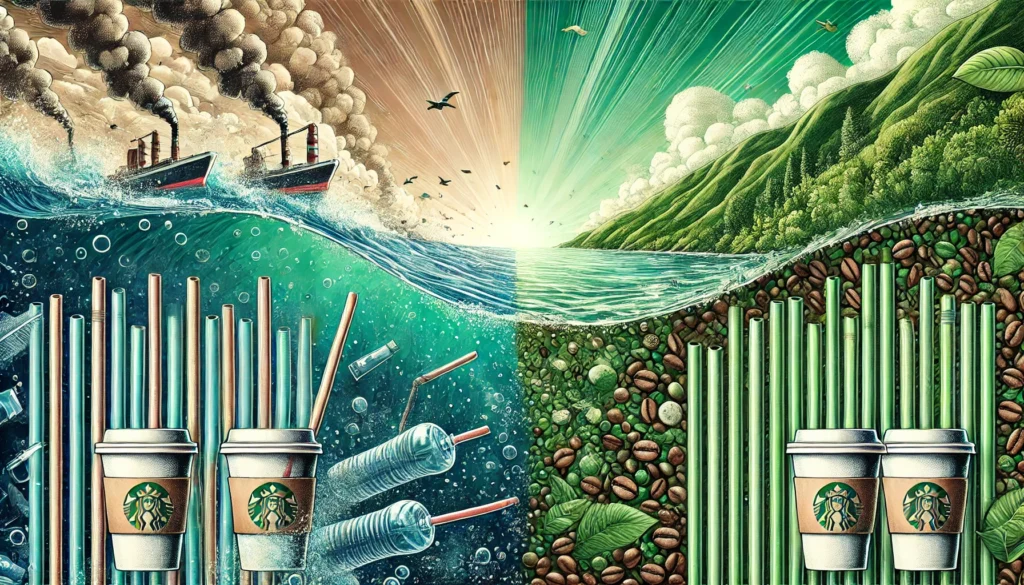
Informationen zu biologisch abbaubaren Plastikstrohhalmen
Was sind biologisch abbaubare Plastikstrohhalme?
Biologisch abbaubare Plastikstrohhalme sind so konzipiert, dass sie schneller zerfallen als herkömmliche Plastikstrohhalme. Sie bestehen typischerweise aus:
- Polymilchsäure (PLA) – Wird aus Maisstärke oder Zuckerrohr gewonnen, erfordert jedoch eine industrielle Kompostierung.
- Polyhydroxyalkanoate (PHA) – Eine pflanzliche Alternative, die sich in natürlichen Umgebungen, einschließlich Meeresökosystemen, zersetzt.
- PBAT (Polybutylenadipatterephthalat) – Ein biologisch abbaubares Polymer, das die Kompostierbarkeit verbessert.
Wie zersetzen sie sich?
Biologisch abbaubare Plastikstrohhalme zersetzen sich zwar schneller als herkömmliches Plastik, aber erfordern besondere Bedingungen effizient abbauen:
- Industrielle Kompostierung: Für einen vollständigen Abbau sind hohe Temperaturen und kontrollierte mikrobielle Umgebungen erforderlich.
- Deponien & Ozeane: In non-optimal conditions, some biodegradable plastics may degrade slowly, leaving microplastics behind.
Herausforderungen & Misconceptions
- Greenwashing Concerns: Many products labeled “biodegradable” do not break down in natural environments without proper processing.
- Limited Recycling & Composting Facilities: Many cities lack the infrastructure to compost PLA or PHA straws properly.
- Microplastic Risks: Some biodegradable plastics may only fragment rather than fully degrade.

Upcycling-Strohhalme aus Kaffeesatz: Ein Game-Changer?
What Are Coffee Grounds Straws?
Upcycled coffee grounds straws are made by repurposing used coffee grounds into durable, compostable drinking straws. This innovation supports the Kreislaufwirtschaft, reducing organic waste while offering an eco-friendly alternative.
Hauptvorteile
- Null Abfall: Verwendet weggeworfenen Kaffeesatz, der sonst auf der Mülldeponie landen würde.
- Haltbarkeit: Im Gegensatz zu Papierstrohhalmen bewahren sie ihre strukturelle Integrität bei heißen und kalten Getränken.
- Kompostierbarkeit: Zersetzt sich unter häuslichen Kompostierungsbedingungen auf natürliche Weise, ohne dass Industrieanlagen erforderlich sind.
- Geschmacksneutral: Im Gegensatz zu einigen Strohhalmen auf pflanzlicher Basis verändern Kaffeesatzstrohhalme den Geschmack von Getränken nicht.
Einschränkungen & Überlegungen
- Produktion & Skalierbarkeit: Die Akzeptanz nimmt weiter zu und die Herstellung in großem Maßstab ist nach wie vor begrenzt.
- Lagerungsempfindlichkeit: Zur Erhaltung der Langlebigkeit muss es trocken gelagert werden.
- Höhere Produktionskosten: Im Vergleich zu herkömmlichen Plastik- oder Papierstrohhalmen können die Produktionskosten etwas höher sein.

Vergleich nachhaltiger Strohalternativen
| Strohtyp | Am besten für | Haltbarkeit | Entsorgungsmethode | Hauptvorteil |
|---|---|---|---|---|
| Upcycled Kaffeesatz | Coffee shops, eco-conscious consumers | Hoch | Home kompostierbar | Waste reduction |
| Biodegradable Plastic (PLA/PHA) | Restaurants, fast food | Mäßig | Industrial composting required | Familiar texture |
| Papier | Quick-service restaurants | Low (soggy) | Recycelbar/kompostierbar | Cost-effective |
| Bambus | Premium cafes, home use | Hoch | Kompostierbar | Natürliches Material |
| Metall/Glas | Personal use, long-term | Sehr hoch | Wash & reuse | Nachhaltig |
Umweltbelastung & Einhaltung gesetzlicher Vorschriften
Do These Straws Truly Reduce Waste?
- Countries that have banned plastic straws, such as the EU, Canada, and certain U.S. states, have reported reductions in single-use plastic consumption.
- A life cycle assessment (LCA) comparing different materials shows that upcycled coffee grounds and PHA straws have a lower carbon footprint than conventional PLA-based straws.
Regulierungslandschaft
- EU Single-Use Plastics Directive (2021) – Bans conventional plastic straws, pushing for compostable or reusable alternatives.
- U.S. State Bans (California, New York, Washington, etc.) – Beschränken Sie die Verteilung von Plastikstrohhalmen und fördern Sie biologisch abbaubare Optionen.
- Chinas Politik zur Plastikreduzierung – Ziel ist es, bis 2025 Einwegkunststoffe zu eliminieren und nachhaltige Alternativen zu fördern.

Best Practices für Unternehmen & Verbraucher
So wählen Sie das richtige nachhaltige Stroh aus
- Überprüfen Sie die Zertifizierungen: Suchen BPI, TÜV OK Compost und USDA BioPreferred Etiketten.
- Entsorgungsanforderungen verstehen: Stellen Sie den Zugang zu Kompostieranlagen für biologisch abbaubare Kunststoffe sicher.
- Verbraucher aufklären: Stellen Sie Beschilderungen oder Hinweise zur ordnungsgemäßen Strohentsorgung bereit.
Nachhaltigkeitspraktiken für Restaurants & Cafés
- Bieten Sie Strohalternativen nur auf Anfrage an – Reduziert unnötigen Abfall.
- Stellen Sie geeignete Entsorgungsbehälter bereit – Fördern Sie die Kompostierung statt der Deponierung.
- Allmählicher Übergang – Beginnen Sie mit der Vorstellung Umweltfreundliche Strohhalme für Gäste, die vor Ort essen, und dann auf Einwegkunststoffe verzichten.
Häufig gestellte Fragen (FAQs)
1. Sind biologisch abbaubare Plastikstrohhalme wirklich besser als herkömmliche Plastikstrohhalme?
✅ Ja, aber nur bei ordnungsgemäßer Entsorgung. Sie erfordern industrielle Kompostierung im Gegensatz zu herkömmlichem Kunststoff, der jahrhundertelang in der Umwelt verbleibt, vollständig abgebaut werden.
2. Zersetzen sich biologisch abbaubare Plastikstrohhalme im Meer?
🚫 Die meisten tun das nicht. Viele biologisch abbaubare Kunststoffe erfordern zum Abbau hohe Temperaturen, die in Meeresumgebungen nicht herrschen. Jedoch, Trinkhalme auf PHA-Basis Es ist wahrscheinlicher, dass sie im Wasser auf natürliche Weise abgebaut werden.
3. Sind recycelte Kaffeesatzstrohhalme lebensmittelecht?
✅ Ja. Sie treffen sich Lebensmittelsicherheitsstandards und keine schädlichen Chemikalien in Getränke abgeben.
4. Was ist die beste Strohalternative für Unternehmen?
🏢 It depends on the business type:
- Restaurants & fast food chains: Prefer biologisch abbaubare Plastikstrohhalme for their durability and familiar texture.
- Coffee shops & eco-conscious brands: Benefit from using Upcycling-Strohhalme aus Kaffeesatz, which align with their sustainability goals.
5. Do biodegradable plastics contribute to microplastic pollution?
⚠️ Some do, especially if they are not composted under the right conditions. Incomplete decomposition in landfills or oceans may result in microplastic fragments.
6. How can consumers dispose of biodegradable and upcycled straws properly?
♻️ Proper disposal methods:
- Biologisch abbaubare Plastikstrohhalme → Industrial composting facilities are required for full degradation.
- Upcycled coffee grounds straws → Can be zu Hause kompostiert or disposed of with organic waste.
7. How much more expensive are sustainable straws?
💰 Cost comparison of eco-friendly straws:
- Papierstrohhalme: 2–3x the price of plastic.
- Biologisch abbaubare Plastikstrohhalme: 3–5x costlier than traditional plastic.
- Upcycled coffee grounds straws: Slightly higher, but offset by branding and sustainability advantages.
8. Which countries have banned plastic straws?
🌍 Global plastic straw bans:
- Europe: EU-wide ban on single-use plastics.
- USA: California, New York, Washington, and several other states have restricted plastic straw usage.
- China: Phasing out plastic straws by 2025 under its national plastic reduction policy.
Abschluss
Both biologisch abbaubare Plastikstrohhalme Und Upcycling-Strohhalme aus Kaffeesatz offer sustainable alternatives to traditional plastics. However, the effectiveness of these solutions depends on proper disposal, business adoption, and consumer education. Businesses should evaluate their needs and choose the most practical solution based on cost, sustainability, and regulatory compliance.
Aufruf zum Handeln
Are you looking for a sustainable straw solution? Consider switching to biologisch abbaubarer Kunststoff oder Upcycling-Strohhalme aus Kaffeesatz und informieren Sie Ihre Kunden über die ordnungsgemäße Entsorgung.