I. Einführung
Plastic straws have long been a significant environmental issue, contributing heavily to ocean pollution and harming wildlife. In response to this growing concern, compostable straws have emerged as an eco-friendly alternative. These straws not only help reduce plastic waste but also offer a sustainable solution for those who are looking to make more environmentally conscious choices.

II. What Are Compostable Straws?
Compostable straws are made from natural, biodegradable materials that break down into organic matter when properly disposed of. The primary materials used to make compostable straws include:
- Maisstärke
- Sugarcane fiber
- Bambus
- Wheat straw
- Tapioca starch
Unlike traditional plastic straws, which can take hundreds of years to decompose, compostable straws are designed to break down within months in industrial composting facilities, reducing their environmental impact.

III. Materials Used in Compostable Straws
Compostable straws are crafted from a range of renewable materials. The most common include:
- Maisstärke: A biodegradable material derived from corn, known for its versatility and minimal environmental footprint.
- Zuckerrohrfaser: Often a by-product of sugarcane production, this material is durable and fully compostable.
- Bambus: A fast-growing plant that requires minimal resources to cultivate, making it a sustainable choice for straws.
- Wheat Straw: A by-product of wheat production, wheat straw is strong, durable, and environmentally friendly.
- Tapiokastärke: Sourced from the cassava plant, tapioca starch straws are biodegradable and non-toxic.
These materials not only support a circular economy but also reduce reliance on petroleum-based plastics.

IV. Environmental Benefits of Compostable Straws
Compostable straws offer several environmental benefits:
- Faster Decomposition: In industrial composting facilities, compostable straws break down within 2-6 months. In home composting conditions, it can take 6-12 months.
- Reduction in Plastic Pollution: By choosing compostable alternatives, we can significantly decrease plastic waste, which takes centuries to decompose.
- Geringerer CO2-Fußabdruck: The production of compostable straws typically has a lower carbon footprint compared to plastic production, contributing to reduced greenhouse gas emissions.
V. Practicality and Performance
Compostable straws perform well in various scenarios:
- Kalte Getränke: Compostable straws are ideal for cold beverages, maintaining their structural integrity for extended periods.
- Hot Drinks: While many compostable straws are suitable for cold drinks, only some are designed to handle the heat of hot beverages. Look for straws labeled as heat-resistant for hot drinks.
- Acidic Beverages: In highly acidic drinks like citrus juices, compostable straws may degrade faster. It’s important to choose a suitable material for such applications.
For a deeper dive into the types of compostable straws, check out our Zuckerrohrstrohhalme Seite.
VI. Market and Cost
While compostable straws tend to be more expensive than traditional plastic straws, the price is gradually decreasing as production scales up. Major brands that offer compostable straws include Vegware, World Centric, Öko-Produkte, Und Erdferkel-Strohhalme. The higher cost is justified by the long-term environmental savings, as compostable straws help reduce plastic waste and contribute to a cleaner planet.
For bulk purchases, you can explore our Umweltfreundliche Produktion Seite.
VII. Proper Usage and Disposal
To fully benefit from compostable straws, it’s essential to dispose of them correctly:
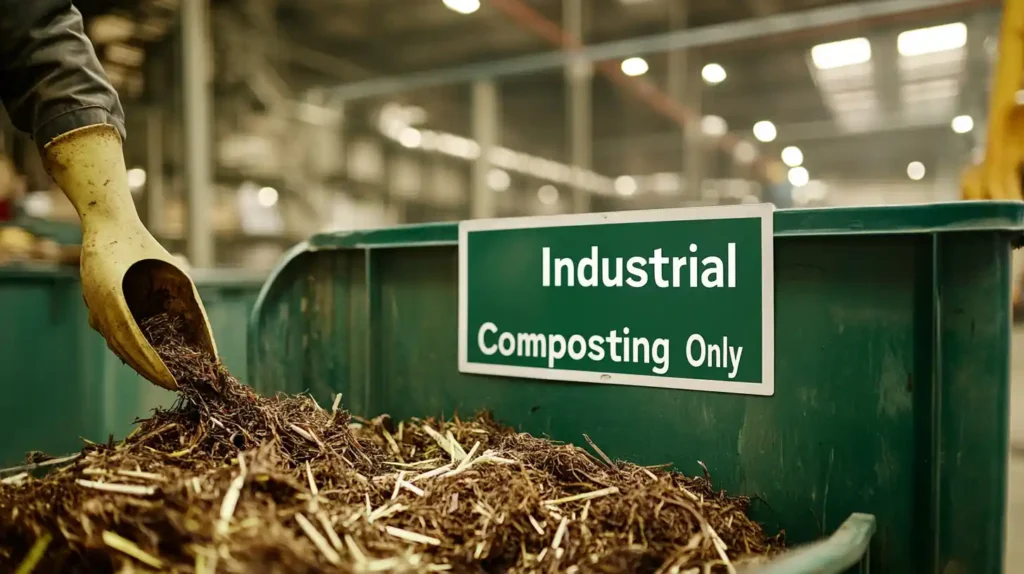
- Industrielle Kompostierung: Compostable straws should be sent to certified industrial composting facilities.
- Heimkompostierung: If you have a home compost system, these straws can be composted, but they may take longer to break down.
- Avoid Landfills: Never dispose of compostable straws in regular trash; they need specific conditions to break down effectively.
Learn more about proper disposal methods on our Resource Center.

VIII. Consumer Education
Es ist wichtig, das Bewusstsein für die Vorteile kompostierbarer Strohhalme zu schärfen. Es ist von entscheidender Bedeutung, die Verbraucher über ihre Umweltvorteile aufzuklären, etwa die Reduzierung der Plastikverschmutzung und die Unterstützung einer Kreislaufwirtschaft. Nachhaltige Praktiken wie die Verwendung kompostierbarer Strohhalme und deren ordnungsgemäße Entsorgung können erhebliche Auswirkungen auf die Gesundheit unseres Planeten haben.
IX. Conclusion
Kompostierbare Strohhalme sind ein wesentlicher Fortschritt im Kampf gegen die Plastikverschmutzung. Ihre Entwicklung bietet eine nachhaltige Alternative zu herkömmlichen Plastikstrohhalmen und trägt dazu bei, Umweltschäden zu reduzieren. Durch die Umstellung auf kompostierbare Optionen können Verbraucher zu einer grüneren und nachhaltigeren Zukunft beitragen.
Weitere Informationen zu den verschiedenen Arten kompostierbarer Strohhalme finden Sie auf unserer Produktkatalog.