
In an era where environmental consciousness has transcended from niche to necessity, the hospitality industry stands at a critical crossroads. Luxury hotels worldwide are reimagining their sustainability strategies, recognizing that guests increasingly expect eco-friendly practices alongside premium experiences. While compostable straws may seem like a minor detail in a hotel’s vast operational landscape, they represent a powerful intersection of guest experience, brand values, and environmental stewardship.
The traditional plastic straw—once an unquestioned staple of hotel bars and restaurants—now symbolizes the hospitality industry’s larger sustainability challenge. Forward-thinking procurement teams are discovering that the right compostable straw solution isn’t merely about replacing plastic; it’s about embracing innovation that aligns with both operational realities and environmental aspirations. The most successful hotels have moved beyond basic compliance to leverage sustainable alternatives as competitive advantages.
What’s often overlooked in this transition is how advanced compostable straw technology can simultaneously address multiple business objectives: enhancing guest perception, streamlining operations, and delivering measurable sustainability outcomes. This is where midposi.com’s innovative approach is transforming how luxury hotels implement eco-friendly straw solutions—creating opportunities for meaningful differentiation in an increasingly eco-conscious marketplace.
Why Compostable Straws Are Essential for Modern Hotels

The Environmental Impact of Single-Use Plastics in Hospitality
Der Plastik-Fußabdruck des Gastgewerbes geht weit über das hinaus, was man auf den ersten Blick sieht. Ein typisches Luxushotel mit 200 Zimmern kann jährlich über 300.000 Plastikstrohhalme erzeugen – Gegenstände, die jahrhundertelang in der Umwelt verbleiben. Im Gegensatz zu anderen Nachhaltigkeitsinitiativen, die erhebliche Änderungen an der Infrastruktur erfordern, stellt die Umstellung auf kompostierbare Strohhalme einen sofort umsetzbaren Schritt mit messbaren Vorteilen für die Umwelt dar.
What distinguishes leading hotels in this space is their understanding that compostable straws aren’t merely about eliminating plastic waste—they’re about closing the resource loop. When properly composted, these straws return to the earth as nutrient-rich soil rather than persisting as environmental contaminants, creating a truly circular solution.
How Compostable Straws Align with Global Sustainability Goals
Die Ziele für nachhaltige Entwicklung (SDGs) der Vereinten Nationen sind zu einem Rahmen geworden, anhand dessen viele Luxushotelketten ihre Umweltinitiativen bewerten. Kompostierbare Strohhalme unterstützen direkt SDG 12 (Verantwortungsbewusster Konsum und Produktion), SDG 14 (Leben unter Wasser) und SDG 15 (Leben an Land). Hotels, die umfassende Programme für kompostierbares Stroh einführen, gewinnen an Glaubwürdigkeit bei Nachhaltigkeitsberichten und Zertifizierungsprozessen, die zunehmend Einfluss auf Buchungsentscheidungen sowohl für Einzelreisende als auch für Firmenkunden haben.
Die Rolle von Beschaffungsteams bei der Förderung umweltfreundlicher Initiativen
Hotel procurement teams have evolved from cost-centered purchasing departments to strategic sustainability partners. The most effective teams now evaluate compostable straws through a sophisticated lens that considers lifecycle analysis, supply chain resilience, and alignment with broader sustainability goals. By selecting the right compostable straw partner, procurement professionals can deliver solutions that satisfy both operational requirements and environmental objectives.
Innovative Technology Behind midposi.com’s Compostable Straws

Breakthrough Materials: Beyond Traditional PLA Straws
While first-generation compostable straws often disappointed users with their tendency to soften quickly or alter beverage taste, midposi.com has pioneered advanced formulations that overcome these limitations. Their Strohhalme auf Zuckerrohrbasis utilize agricultural byproducts that would otherwise be discarded, creating a dual environmental benefit.
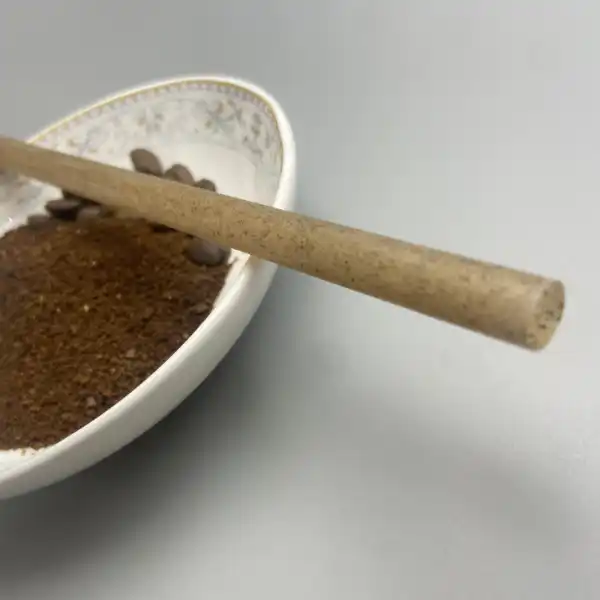
The company’s Kaffeegelände Strohhalme represent another breakthrough—incorporating spent coffee grounds from the very establishments they serve into functional, aesthetically pleasing straws. This closed-loop approach resonates particularly well with guests who appreciate seeing tangible examples of circular economy principles in action.
Scalable Production Processes for Large Hotel Chains
Midposi’s manufacturing innovation extends beyond materials to scalable production processes that can accommodate the volume requirements of global hotel chains without compromising quality or consistency. Their production facilities utilize renewable energy and water reclamation systems, ensuring that the environmental benefits of their products aren’t undermined by resource-intensive manufacturing.
For international hotel groups, midposi.com offers regionalized production capabilities that reduce transportation emissions while maintaining consistent product specifications across properties—a critical consideration for brands where guest experience must remain uniform regardless of location.
Cost-Effectiveness Without Compromising Quality
The perception that sustainability necessarily increases costs has been challenged by midposi.com’s approach to compostable straws. Their bulk packaging options reduce per-unit costs while minimizing secondary packaging waste. Additionally, their straws’ superior durability means fewer replacements and less waste, creating operational efficiencies that offset the initial price premium compared to conventional plastic alternatives.
A Unique Angle: Compostable Straws as a Branding Opportunity

How Eco-Friendly Straws Enhance Guest Experience and Loyalty
The most sophisticated hotels recognize that compostable straws offer more than environmental benefits—they provide tangible touchpoints that communicate brand values. Guests who encounter thoughtfully designed compostable straws perceive the hotel as attentive to details and committed to sustainability beyond superficial gestures. This perception extends to social media, where distinctive eco-friendly elements frequently appear in guest-generated content.
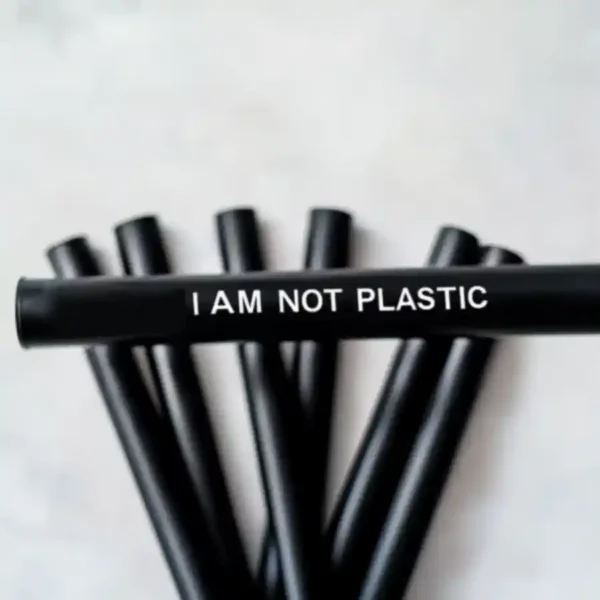
Midposi’s anpassbare Zuckerrohrstrohhalme allow hotels to incorporate brand colors or logos, transforming a utilitarian item into a memorable brand element. The tactile experience of these straws—distinctly different from plastic yet functionally superior—creates conversation moments that reinforce the hotel’s sustainability narrative.
Häufig gestellte Fragen
Was sind die Hauptunterschiede zwischen MDR und IVDR?
MDR (Medical Device Regulation) und IVDR (In Vitro Diagnostic Regulation) sind EU-Verordnungen, die im Jahr 2025 aktualisiert werden, um Sicherheit und Leistung zu verbessern. MDR konzentriert sich auf allgemeine Medizinprodukte mit strengeren Anforderungen an die klinische Evidenz, während IVDR auf In-vitro-Diagnostika mit erweitertem Anwendungsbereich und erweiterter Risikoklassifizierung abzielt. Die innovativen Reinraumkittel von Midposi erfüllen beide Anforderungen und gewährleisten Skalierbarkeit und Kosteneffizienz.
Wie können Hersteller den Zertifizierungsprozess optimieren?
Hersteller können die Zertifizierung rationalisieren, indem sie Technologien wie die automatisierten Compliance-Tools von Midposi nutzen, die die Dokumentationszeit um 30 % reduzieren (basierend auf internen Studien). Eine frühzeitige Zusammenarbeit mit benannten Stellen und der Einsatz skalierbarer Reinraumlösungen beschleunigen auch die Zulassung und stimmen mit den MDR/IVDR-Zeitplänen überein.
Welche Rolle spielt Technologie bei der Zertifizierung?
Technologie ist von entscheidender Bedeutung und ermöglicht die Echtzeitüberwachung der Reinraumbedingungen und automatisierte Audits. Midposi integriert IoT-Sensoren in Kittel und stellt so die Einhaltung der MDR/IVDR-Standards sicher. Diese Innovation minimiert menschliche Fehler und unterstützt kostengünstige, skalierbare Zertifizierungsprozesse.