Der Begriff „umweltfreundlich“ hat enorm an Bedeutung gewonnen, da Unternehmen und Einzelpersonen versuchen, ihren ökologischen Fußabdruck zu reduzieren. Zu verstehen, was umweltfreundlich bedeutet, und nachhaltige Praktiken anzuwenden, ist sowohl für den Planeten als auch für zukünftige Generationen von entscheidender Bedeutung. Dieser Leitfaden untersucht das Konzept, unterscheidet es von verwandten Begriffen und bietet umsetzbare Erkenntnisse für die Umsetzung.

Was bedeutet umweltfreundlich?
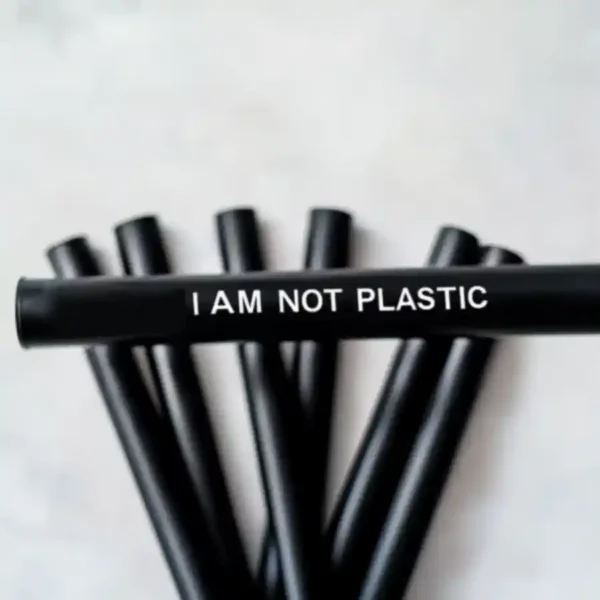
Umweltfreundlich bezieht sich auf Produkte, Dienstleistungen und Praktiken, die den Schaden für die Umwelt minimieren. Sie sollen die Umweltverschmutzung reduzieren, Ressourcen schonen und ein gesünderes Ökosystem fördern. Zum Beispiel, umweltfreundliche Zuckerrohrstrohhalme sind eine hervorragende Alternative zu herkömmlichen Plastikstrohhalmen und reduzieren den Einwegmüll.
Hauptmerkmale:
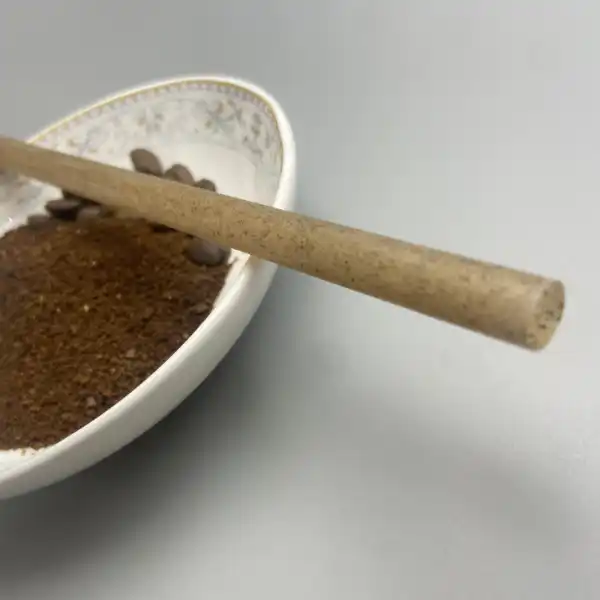
- Nachhaltige Materialien: Hergestellt aus erneuerbaren Quellen wie Zuckerrohr oder Kaffeesatz.
- Minimaler Abfall: Verpackungen sind oft recycelbar oder kompostierbar.
- Geringe Umweltbelastung: Entwickelt für einen minimalen CO2-Fußabdruck bei Produktion und Entsorgung.
Zusätzlicher Einblick: Der Umweltkontext
Verwendung umweltfreundlicher Produkte wie z Einzeln verpackte Smoothie-Kaffeesatz-Strohhalme trägt dazu bei, die Umweltschäden durch Einwegkunststoffe zu reduzieren, die häufig in Meeren oder auf Mülldeponien landen.

Grün vs. nachhaltig vs. umweltfreundlich
Obwohl diese Begriffe häufig synonym verwendet werden, haben sie unterschiedliche Bedeutungen.
| Begriff | Umfang | Fokus |
|---|---|---|
| Umweltfreundlich | Eng | Sofortige Reduzierung von Umweltschäden. |
| Grün | Breiter | Allgemeines Umweltbewusstsein. |
| Nachhaltig | Umfassend | Langfristiges Gleichgewicht von ökologischen, sozialen und wirtschaftlichen Faktoren. |
Zum Beispiel während biologisch abbaubares Zuckerrohrgeschirr Obwohl es umweltfreundlich ist, hängt seine Nachhaltigkeit auch von den Produktionsprozessen und der Abfallentsorgung nach der Verwendung ab.
Historischer Kontext umweltfreundlicher Praktiken
Umweltfreundliche Praktiken gehen auf die Umweltbewegung der 1960er und 70er Jahre zurück. Zu den wichtigsten Meilensteinen gehören:
- Das Clean Air Act (1970): Geregelte Luftverschmutzung.
- Das Clean Water Act (1972): Konzentriert sich auf die Reduzierung der Wasserverschmutzung.
- Das Pariser Abkommen (2015): Globale Ziele zur Bekämpfung des Klimawandels festgelegt.
Unternehmen mögen NaturBioÖko haben diese Prinzipien übernommen, um innovative, nachhaltige Lösungen anzubieten, wie z kompostierbare Kaffeesatzstrohhalme.
Warum ist es wichtig, umweltfreundlich zu sein?
Vorteile für die Umwelt:
- Reduzierung der Umweltverschmutzung: Weniger Abfall auf Mülldeponien und in Ozeanen.
- Erhaltung der biologischen Vielfalt: Schützt Lebensräume und Ökosysteme.
Wirtschaftliche Vorteile:
- Kosteneinsparungen: Reduziert den Energieverbrauch und die Abfallentsorgungskosten.
- Marktchancen: Wachsende Nachfrage nach nachhaltigen Produkten wie Einzeln verpackte Boba-Zuckerrohrstrohhalme.
Sozialleistungen:
- Fördert die öffentliche Gesundheit durch Reduzierung von Schadstoffen.
- Bewältigt globale Klimaherausforderungen.
Identifizierung echter umweltfreundlicher Produkte
Vermeiden Sie Greenwashing (falsche umweltfreundliche Behauptungen), indem Sie auf Folgendes achten:
- Zertifizierungen:
- Energy Star, USDA Organic, FSC-Zertifizierung.
- Lesen Sie die Etiketten:
- Überprüfen Sie Angaben wie „biologisch abbaubar“ oder „kompostierbar“.
- Verifizierte Produkte:
- Beispiele hierfür sind Umweltfreundliche Cocktailstrohhalme.
Praxistipp:
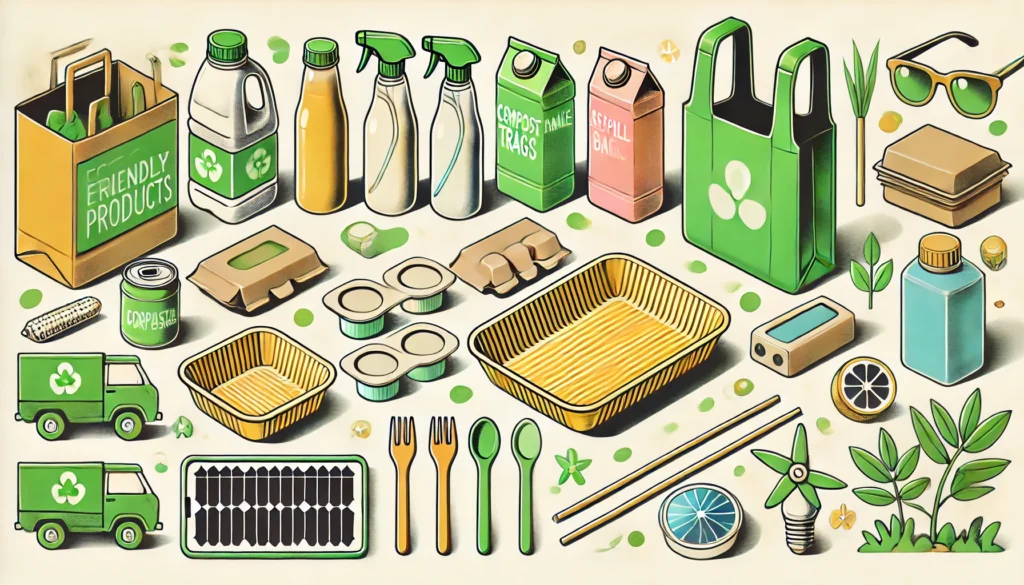
Achten Sie auf Transparenz im Produktionsprozess. Zum Beispiel Geschirr auf Zuckerrohrbasis wie Lebensmitteltabletts aus Zuckerrohr Zersetzt sich auf natürliche Weise und reduziert so den Abfall.
Praktische Schritte zur Einführung umweltfreundlicher Praktiken
Für Einzelpersonen:
- Ersetzen Sie Einwegartikel durch wiederverwendbare Alternativen wie z Smoothie-Kaffeesatz-Strohhalme.
- Benutzen Sie energieeffiziente Geräte und schalten Sie ungenutzte Geräte aus.
- Entscheiden Sie sich für öffentliche Verkehrsmittel, Radfahren oder Wandern.
Für Unternehmen:
- Übergang zu kompostierbaren Verpackungen, wie z normale Zuckerrohrstrohhalme.
- Implementieren Sie Strategien zur Abfallreduzierung wie Recyclingprogramme.
- Beziehen Sie Materialien von nachhaltigen Lieferanten.

Herausforderungen und Lösungen
Höhere Kosten:
- Lösung: Heben Sie langfristige Einsparungen durch Energieeffizienz und Steueranreize hervor.
Verbraucherskepsis:
- Lösung: Verwenden Sie zertifizierte Umweltzeichen und transparente Praktiken.
Infrastrukturlücken:
- Lösung: Arbeiten Sie mit lokalen Recycling- und Abfallmanagementprogrammen zusammen.
Interaktive Tools und persönliche Geschichten
Interaktive Funktionen:
- CO2-Fußabdruck-Rechner: Helfen Sie Benutzern, ihre persönliche Wirkung zu messen.
- Umweltfreundliches Quiz: Fördern Sie das Engagement, indem Sie den Lesern die Möglichkeit geben, ihre umweltfreundlichen Gewohnheiten zu bewerten.
Inspirierende Geschichten:
Erzählen Sie eine Geschichte darüber, wie ein kleines Café durch den Wechsel zu Abfall reduziert hat kompostierbares Besteck, um Kunden zu umweltfreundlichen Gewohnheiten zu inspirieren.
Die Zukunft umweltfreundlicher Praktiken
Aufkommende Trends wie Kreislaufwirtschaft und erneuerbare Energien werden umweltfreundliche Innovationen weiter vorantreiben. Unternehmen müssen diese Chancen nutzen, um wettbewerbsfähig und nachhaltig zu bleiben.
FAQ-Bereich
- Was bedeutet umweltfreundlich?
Umweltfreundlich bezieht sich auf Praktiken, die Umweltschäden minimieren, wie z. B. die Reduzierung von Abfall oder die Einsparung von Energie. - Welche umweltfreundlichen Produkte gibt es?
Beispiele hierfür sind biologisch abbaubare Zuckerrohrstrohhalme und wiederverwendbare Wasserflaschen. - Wie erkenne ich echte umweltfreundliche Produkte?
Suchen Sie nach Zertifizierungen wie Energy Star und USDA Organic oder erkunden Sie vertrauenswürdige Lieferanten wie NaturBioÖko. - Was ist der Unterschied zwischen umweltfreundlich und nachhaltig?
„Umweltfreundlich“ konzentriert sich auf die unmittelbaren Auswirkungen auf die Umwelt, während Nachhaltigkeit langfristige soziale und wirtschaftliche Überlegungen umfasst. - Warum sind umweltfreundliche Produkte teurer?
Nachhaltige Materialien und ethische Produktionsprozesse erhöhen die Anschaffungskosten, sparen aber langfristig Geld. - Welche Rolle spielen Zertifizierungen?
Zertifizierungen bestätigen, dass Produkte bestimmte Umweltstandards erfüllen. - Wie können kleine Unternehmen umweltfreundliche Praktiken einführen?
Fangen Sie klein an, indem Sie beispielsweise auf kompostierbare Verpackungen oder Angebote umsteigen anpassbare Strohhalme. - Was sind die zukünftigen Trends bei umweltfreundlichen Praktiken?
Erwarten Sie Wachstum bei erneuerbaren Energien, Zero-Waste-Initiativen und KI-gesteuerten Nachhaltigkeitstools.
Zitate
- Umweltfreundliche Bedeutung
- Einblicke in die Nachhaltigkeit
- Greenwashing-Leitfaden
- NaturBioÖko
- Zertifizierungen für umweltfreundliche Produkte
Dieser aktualisierte Blog enthält Vorschläge wie neue Perspektiven, interne Links, interaktive Funktionen und umsetzbare Erkenntnisse, um den Inhalt hervorzuheben. Lassen Sie mich wissen, wenn Sie weitere Anpassungen wünschen!