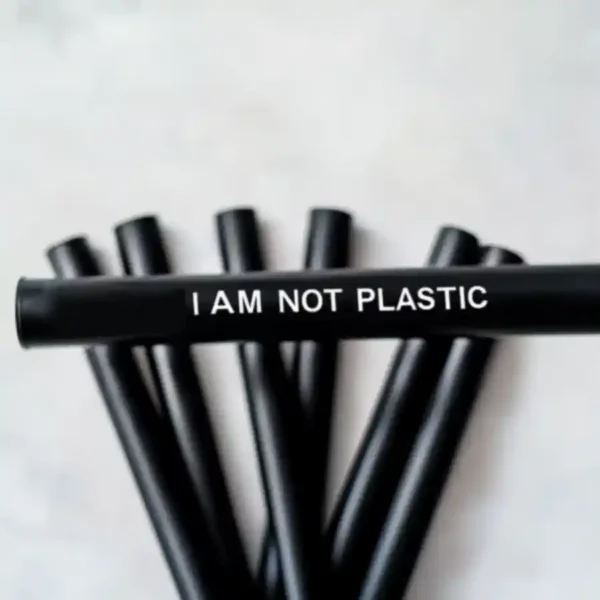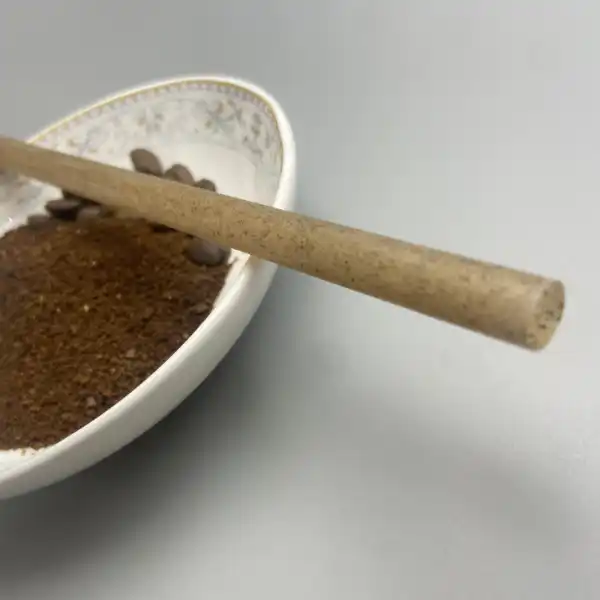
Die Umstellung auf umweltfreundliche Strohhalme und Trinkgefäße ist ein wichtiger Schritt für Unternehmen, die ihre Auswirkungen auf die Umwelt reduzieren und gleichzeitig der wachsenden Nachfrage nach nachhaltigen Praktiken gerecht werden möchten. Dieser umfassende Leitfaden bietet Unternehmen die notwendigen Erkenntnisse und Strategien, um diesen Übergang reibungslos und effektiv zu gestalten.

Auswahl umweltfreundlicher Strohalternativen
Da Unternehmen sich ihres ökologischen Fußabdrucks immer bewusster werden, ist die Auswahl der richtigen umweltfreundlichen Alternativen zu herkömmlichen Plastikstrohhalmen von entscheidender Bedeutung. Nachfolgend finden Sie einige der besten verfügbaren nachhaltigen Optionen:
1. Papierstrohhalme
Papierstrohhalme aus FSC-zertifizierte Faser sind eine beliebte und weit verbreitete umweltfreundliche Alternative zu Kunststoff. Diese Strohhalme sind kompostierbar Sie sind in verschiedenen Größen für verschiedene Getränkearten erhältlich und eignen sich daher hervorragend für Restaurants und Cafés. Sie können verschiedene Anbieter erkunden, z Grüne Papierprodukte für hochwertige Optionen.
2. Pflanzliche Strohhalme
- Reisstrohhalme: Diese aus Reis und Tapiokastärke hergestellten Strohhalme sind biologisch abbaubar und gleichmäßig essbarDies macht sie zu einer einzigartigen und nachhaltigen Option für umweltbewusste Unternehmen Shopeq U.
- Weizenstrohhalme: Diese werden aus Weizenstängeln hergestellt, sind natürlich biologisch abbaubar und ideal für den Einmalgebrauch. Sie bieten eine nachhaltige Wahl für schnelllebige Umgebungen Ja Strohhalme.
- Bambusstrohhalme: Bekannt für ihre Haltbarkeit Und antibakterielle Eigenschaften, Bambusstrohhalme sind kompostierbar und perfekt für Unternehmen, die eine langlebige, umweltfreundliche Lösung wünschen.
- Heustrohhalme: Heustrohhalme werden aus natürlichen Weizenstängeln hergestellt, sind glutenfrei und 100 % kompostierbar, providing an excellent eco-friendly alternative for businesses focused on waste reduction Heustrohhalme.
3. Coconut Straws
Coconut straws are made from fermented coconut water and are biologisch abbaubar Und wiederverwendbar throughout the day. This innovative solution reduces the environmental footprint and offers a sustainable choice for the eco-conscious consumer Shopeqo.

4. Sulapac Straws
Sulapac straws are crafted from wood chips Und plant-based binders, ensuring they biodegrade without leaving harmful microplastics. These straws are a great option for businesses seeking truly umweltfreundlich Lösungen Sulapac.
5. Metallstrohhalme
Strohhalme aus Edelstahl Sind wiederverwendbar, dauerhaftUnd perfekt für Unternehmen, die ihren Kunden eine umweltfreundliche Alternative zu Kunststoff bieten möchten. Diese Strohhalme können auch sein individuell angepasst mit Logos und Branding, was sie zu einem hervorragenden Marketinginstrument macht Diffords Leitfaden.
6. Glasstrohhalme
Glasstrohhalme sind eine weitere wiederverwendbare Option, die leicht zu reinigen und optisch ansprechend ist. Sie bieten eine High-End-Alternative für Unternehmen, die nachhaltige und dennoch hochwertige Produkte anbieten möchten Diffords Leitfaden.
Den Übergang umsetzen
Der Übergang zu umweltfreundlichen Alternativen erfordert eine sorgfältige Planung. Hier ist eine Schritt-für-Schritt-Anleitung, die Unternehmen dabei hilft, sich durch den Prozess zu navigieren:

1. Assess Current Usage
The first step is to evaluate your current straw consumption and determine the quantity and types of eco-friendly alternatives that will be required. This will give you a clear picture of how much you need to source and what materials will work best for your operations.
2. Choose the Right Alternative
Choosing the right eco-friendly straws depends on several factors:
- Drink Types: Different beverages may require specific types of straws. For example, thick beverages like smoothies may benefit from wider straws wie Smoothie-Kaffeesatz-Strohhalme, während Cocktails oder Säfte gut dazu passen könnten Strohhalme mit kleinerem Durchmesser wie Cocktail-Zuckerrohrstrohhalme.
- Kundenpräferenzen: Berücksichtigen Sie Ihren Kundenstamm und die von ihm bevorzugten Produkttypen. Das Angebot einer Vielzahl umweltfreundlicher Strohhalme wird unterschiedlichen Bedürfnissen gerecht.
- Lokale Vorschriften: In einigen Regionen kann dies der Fall sein Vorschriften Sie schreiben die Verwendung bestimmter umweltfreundlicher Materialien vor, daher ist es wichtig, die Vorschriften einzuhalten.
3. Lieferantenrecherche
Die Suche nach zuverlässigen Herstellern biologisch abbaubarer Strohhalme ist von entscheidender Bedeutung. Zum Beispiel, Erdferkel-Strohhalme ist auf umweltfreundliche Papierstrohhalme spezialisiert Verifizierte Marktforschung. Ähnlich, NaturBioÖko bietet eine Reihe anpassbarer, umweltfreundlicher Strohhalme an, darunter Kaffeesatz Und Zuckerrohrstrohhalme.
4. Schulung des Personals
Ensure your team is well-informed about the benefits of eco-friendly products and the proper disposal methods. Proper training will help employees communicate the value of sustainability to customers.
5. Customer Education
Educating your customers about the environmental impact of plastic and the benefits of using eco-friendly products can be done through signage, menu notes, oder online communication. This helps customers feel informed and empowered to make sustainable choices.

6. Gradual Implementation
Start by offering eco-friendly straws alongside traditional plastic ones. Gradually phase out plastic as customers become more accustomed to the new products.
Erweiterung um umweltfreundliche Trinkgefäße
Once your business has successfully transitioned to eco-friendly straws, consider expanding your efforts to eco-friendly drinkware:
1. Wiederverwendbare Becher
Introduce branded reusable cups for customers to purchase and refill at a discount. This encourages customers to bring their own containers, further reducing waste.
2. Biologisch abbaubare Becher
For single-use needs, consider switching to cups made from compostable materials wie PLA (corn-based plastic) Grüne Papierprodukte.

3. Glassware
For dine-in customers, prioritize the use of traditional glassware to minimize waste. This can be a more sustainable option compared to disposable cups.
Herausforderungen meistern
Transitioning to eco-friendly alternatives may present challenges, but these can be addressed effectively:
1. Cost Management
Während eco-friendly options may be more expensive initially, consider the long-term benefits, such as reduced waste management costs and potential savings from government incentives for sustainable practices.
2. Quality Control
Test different eco-friendly straws to ensure they meet your standards for Haltbarkeit Und Kundenzufriedenheit. This is especially important for products that are used daily by customers.
3. Disposal Infrastructure
Work with local waste management facilities to ensure proper composting or recycling of biodegradable products. This ensures that your eco-friendly products don’t end up in landfills.

FAQs
1. What are eco-friendly straws made from?
Eco-friendly straws are made from materials such as bamboo, paper, rice, wheat, Und Kaffeesatz, each offering different benefits in terms of sustainability and usability.
2. Are metal straws really better for the environment than plastic?
Ja, Metallstrohhalme Sind wiederverwendbar Und dauerhaft, significantly reducing waste when compared to single-use plastic straws.
3. How long do compostable straws take to break down?
Compostable straws typically break down in 3 bis 6 Monate under proper composting conditions.
4. How can I ensure the eco-friendly products I buy are truly sustainable?
Look for certifications wie kompostierbar oder biologisch abbaubar, and choose suppliers that prioritize ethical sourcing Und environmentally responsible production practices.
5. Are eco-friendly straws more expensive than plastic ones?
Während umweltfreundliche Strohhalme may cost more upfront, the long-term savings from reduced waste management costs and potential incentives often offset the initial expense.
6. Can I customize eco-friendly straws with my brand’s logo?
Ja, umweltfreundliche Strohhalme can often be individuell angepasst with branding, allowing businesses to promote their Nachhaltigkeit message to customers.
7. What certifications should I look for when purchasing eco-friendly straws?
Suchen Sie nach Zertifizierungen wie kompostierbar, FSC-certified, Und BPA-free to ensure the product meets sustainability and safety standards.
8. How do I introduce eco-friendly straws to my customers?
Educate your customers about the environmental benefits of umweltfreundliche Strohhalme using in-store signage, menu updates, Und social media campaigns to create awareness and encourage adoption.
Abschluss
Transitioning to eco-friendly straws and drinkware is a significant step for businesses aiming to reduce their environmental impact and align with growing consumer demand for sustainability. By carefully selecting the right materials, educating employees and customers, and addressing challenges like cost and waste management, businesses can successfully implement eco-friendly solutions that are both environmentally and economically beneficial.
Zusätzliche Ressourcen
This approach to eco-friendly product implementation not only helps protect the environment but also establishes your business as a leader in sustainability.