1. Introduction: Government-Led Change in Plastic Use
Governments worldwide are taking decisive actions to address the escalating environmental crisis caused by single-use plastics. Among the most visible culprits of this crisis are plastic straws, which are used in staggering numbers and contribute significantly to ocean and landfill pollution. These tiny items, though convenient, symbolize the larger issue of unsustainable consumption.
Der Drang nach Vorschriften zum Verbot von Plastikstrohhalmen spiegelt nicht nur die Notwendigkeit der Einhaltung von Vorschriften wider, sondern einen umfassenderen gesellschaftlichen Wandel hin zur Verantwortung für die Umwelt. Umweltfreundliche Strohhalme sind zum Sinnbild dieses Wandels geworden und verdeutlichen die Notwendigkeit für Unternehmen, sich an neue Standards anzupassen und der wachsenden Nachfrage nach nachhaltigen Lösungen gerecht zu werden.

2. Key Regulations by Region
2.1 Europäische Union (EU)
Die Europäische Union hat damit weltweit Maßstäbe gesetzt Richtlinie über Einwegkunststoffe, effective since July 2021. This landmark legislation bans plastic straws, cutlery, and other single-use items across all member states. The directive prioritizes biodegradable and compostable alternatives, urging businesses to innovate and adopt sustainable practices.
European companies have demonstrated resilience and adaptability, quickly transitioning to eco-friendly products. The adoption of alternatives like sugarcane and paper straws has not only ensured compliance but also strengthened their commitment to sustainability, enhancing their reputations in the process.
2.2 United States (US)
In the United States, regulatory efforts have been more fragmented, with states and cities implementing their own plastic reduction laws.
- Kalifornien: The first state to pass legislation banning plastic straws in restaurants unless requested by customers.
- New York: Restrictions on single-use plastics, including straws, have gained traction.
- Seattle and San Francisco: Local governments have introduced comprehensive bans on plastic straws and other single-use plastics.
While these initiatives are commendable, businesses operating across multiple states face challenges due to the lack of uniform regulations. Navigating this patchwork of laws requires meticulous planning and proactive adoption of sustainable alternatives.

2.3 Asia-Pacific
The Asia-Pacific region has emerged as a leader in the fight against plastic waste.
- China: A nationwide ban on plastic straws came into effect in 2021, marking a significant step toward sustainability.
- India: Ambitious goals to eliminate single-use plastics by 2022 have inspired businesses to innovate with biodegradable alternatives.
- Australia: States such as Queensland and South Australia have introduced bans on plastic straws, reflecting a growing regional commitment to sustainability.
Diese regulatorischen Änderungen reduzieren nicht nur den Plastikmüll, sondern bieten Unternehmen auch Möglichkeiten, einen wachsenden Markt umweltbewusster Verbraucher zu bedienen.
3. How Regulations Affect Businesses
3.1 Compliance-Anforderungen
Unternehmen müssen bei der Umstellung auf umweltfreundliche Trinkhalme strenge Compliance-Standards einhalten. Zertifizierungen wie die FDA-Zulassung, die LFGB-Prüfung und die EU-Kompostierbarkeitszertifizierung bestätigen die Qualität und Sicherheit der Produkte. Das Verständnis und die Einhaltung dieser Anforderungen ist für Unternehmen, die sowohl die gesetzlichen als auch die Verbrauchererwartungen erfüllen möchten, von entscheidender Bedeutung.

3.2 Herausforderungen für Unternehmen
Transitioning to eco-friendly materials presents several challenges:
- Higher Initial Costs: The upfront expense of biodegradable materials can strain budgets.
- Supply Chain Adjustments: Sourcing high-quality sustainable materials may disrupt established supply chains.
However, these challenges are short-term and can be mitigated through strategic planning and partnerships with reliable suppliers.
3.3 Opportunities Created by Legal Shifts
Regulatory changes also present unique opportunities:
- Wettbewerbsvorteil: Early adopters of eco-friendly solutions position themselves as industry leaders.
- Verbesserter Markenruf: Marketing compliance with environmental regulations bolsters consumer trust and loyalty.
Businesses that align their operations with sustainability not only meet legal standards but also create a lasting impact on their brand image.
4. Future Trends in Regulation
4.1 Anticipated Bans and Restrictions
Experts predict that by 2030, most single-use plastics, including packaging and utensils, will face global bans. This expansion will necessitate further innovation in biodegradable and reusable alternatives, making early preparation vital for businesses.
4.2 Incentives for Compliance
Governments are expected to introduce financial incentives, such as subsidies and tax breaks, to encourage businesses to adopt sustainable practices. Companies showcasing compliance in their CSR reports may also gain competitive advantages, attracting eco-conscious investors and customers.
4.3 Growing Importance of Circular Economy Practices
Das Konzept der Kreislaufwirtschaft legt den Schwerpunkt auf die Abfallreduzierung durch Wiederverwendung und Recycling. Umweltfreundliche Strohhalme, die so konzipiert sind, dass sie sich auf natürliche Weise zersetzen, spielen eine entscheidende Rolle bei der Weiterentwicklung dieses Modells und bieten Unternehmen die Möglichkeit, aktiv zu nachhaltigen Produktions- und Konsumzyklen beizutragen.
5. The Rise of Eco-Friendly Straws as a Business Opportunity
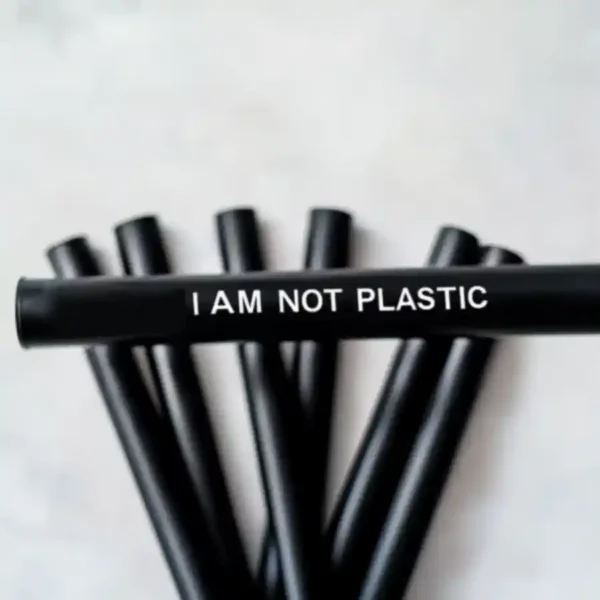
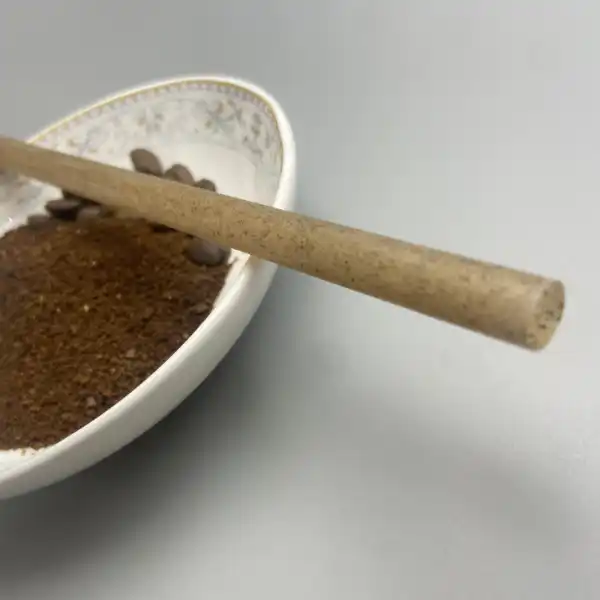
Unternehmen können vom Aufstieg umweltfreundlicher Strohhalme profitieren, indem sie innovative und anpassbare Optionen anbieten. Produkte wie Zuckerrohr- und Kaffeesatzstrohhalme erfüllen sowohl die behördlichen als auch die Verbraucheranforderungen an nachhaltige Alternativen.
Die Zusammenarbeit mit zertifizierten Lieferanten gewährleistet den Zugang zu qualitativ hochwertigen Produkten, die den gesetzlichen Standards entsprechen. Unternehmen mögen NaturBioÖko bieten zuverlässige umweltfreundliche Lösungen, die auf die Bedürfnisse zukunftsorientierter Unternehmen zugeschnitten sind.
Aligning sustainability with profitability is not only possible but essential. Meeting the expectations of eco-conscious consumers creates new revenue streams while reinforcing brand values.

6. Conclusion: Proactively Preparing for Policy Changes
The evolution of government regulations marks a pivotal shift in how businesses approach sustainability. Early adoption of eco-friendly practices helps businesses avoid penalties, gain competitive advantages, and position themselves as industry leaders.
Unternehmen werden aufgefordert, ihre derzeitige Abhängigkeit von Einwegkunststoffen zu bewerten und proaktiv nach nachhaltigen Alternativen zu suchen. Indem sie diese Veränderungen annehmen, können Unternehmen Compliance-Herausforderungen in Chancen für Wachstum und Innovation umwandeln und so zu einem gesünderen Planeten für zukünftige Generationen beitragen.
Zitate
- Verbote von Plastikstrohhalmen in den USA
- Trends zur erweiterten Herstellerverantwortung
- Übersicht über Plastikstrohverbote
- Nachhaltige kompostierbare Strohhalme
- EU-Einwegkunststoffrichtlinie
- Plastikverbote in den USA und Europa
- Gesetze zur Reduzierung von Plastik
- EU-Verbot von Einwegkunststoffen
- Trends zum Verbot von Plastikstrohhalmen