Zuckerrohrstrohhalme für B2B: Langlebig, konform & Anpassbar

Im geschäftigen Tokioter Stadtteil Shibuya stand der Cafébesitzer Takashi vor einem Dilemma. In nur 30 Tagen trat ein stadtweites Verbot von Plastikstrohhalmen in Kraft, das seinen Geschäftsbetrieb zu beeinträchtigen drohte. Papierstrohhalme lösten sich in seinen charakteristischen Bubble-Tea-Getränken auf, was die Kunden frustrierte. Metallstrohhalme mussten ständig desinfiziert werden, was zusätzliche Arbeitskosten verursachte. Biologisch abbaubare Kunststoffalternativen ließen sich in seinem Abfallstrom nicht wirklich kompostieren.
Dann entdeckte Takashi Zuckerrohrstrohhalme. Innerhalb weniger Wochen vollzog sich in seinen Cafés eine vollständige Umstellung – Kundenbeschwerden verschwanden, seine Nachhaltigkeitsbilanz verbesserte sich und überraschenderweise sanken seine Betriebskosten. Takashis Erfahrung spiegelt wider, was weltweit passiert, wenn Unternehmen mit zunehmenden Plastikvorschriften konfrontiert werden.
In 127 Ländern verändern Beschränkungen für Einwegplastik die Arbeitsweise von Unternehmen. Von Richtlinien der Europäischen Union bis hin zu lokalen Verordnungen in Nordamerika ist die Botschaft klar: Passen Sie sich an oder rechnen Sie mit Konsequenzen. Bei der Umstellung geht es nicht nur um Compliance – es geht darum, Ihr Unternehmen in einem Markt, in dem 76 % der Verbraucher inzwischen umweltbewussten Marken den Vorzug geben, zukunftssicher zu machen.
Sugar cane straws represent the ideal intersection of practicality and sustainability. Unlike traditional plastic straws that persist for centuries, these plant-based alternatives decompose naturally without leaving microplastics behind. They maintain structural integrity in hot and cold beverages, provide a neutral taste profile, and offer the familiar mouthfeel customers expect.
For businesses in the hospitality sector, cafés, restaurants, hotels, and catering companies, the switch to sugar cane straws addresses multiple challenges simultaneously: regulatory compliance, customer satisfaction, and genuine environmental responsibility. This comprehensive guide explores everything B2B buyers need to know about incorporating sugar cane straws into their operations.
Discover premium sugar cane straws wholesale options that meet both your operational needs and sustainability goals.
Einhaltung gesetzlicher Vorschriften: FDA & LFGB-Zertifizierungen für Zuckerrohrstrohhalme

When selecting alternatives to plastic straws, regulatory compliance isn’t optional—it’s essential. For businesses serving food and beverages, using products that meet stringent safety standards protects both your customers and your reputation.
Sugar cane straws with FDA certification have undergone rigorous testing to ensure they contain no harmful substances that might migrate into beverages. The FDA-Vorschriften für Lebensmittelkontaktmaterialien (rel=“nofollow“) legen strenge Parameter für alles fest, vom Herstellungsprozess bis zur Materialzusammensetzung. Wenn Sie sich für FDA-zertifizierte Zuckerrohrstrohhalme entscheiden, können Sie sicher sein, dass Ihre Produkte dem Goldstandard für Lebensmittelsicherheit in den Vereinigten Staaten entsprechen.
Ebenso stellt die LFGB-Zertifizierung (Deutschlands Lebensmittel-, Bedarfsgegenstände- und Futtermittelgesetzbuch) einen der umfassendsten Sicherheitsstandards Europas dar und wird oft als sogar strenger angesehen als die FDA-Anforderungen. Durch diese Doppelzertifizierung sind Zuckerrohrstrohhalme für den globalen Betrieb geeignet, sodass keine unterschiedlichen Lieferanten auf allen Märkten erforderlich sind.
According to a 2023 industry report by Food Safety Magazine, businesses using non-certified food contact materials face an average liability risk of $375,000 per incident—a sobering reminder of why certification matters. Beyond liability, certification simplifies import processes in numerous jurisdictions and helps avoid costly shipment rejections at customs.
Many businesses have learned the hard way that cutting corners on certification leads to expensive consequences. When a major cruise line introduced uncertified “eco-friendly” straws in 2022, they faced not only regulatory fines but also reputational damage when the story reached social media. The incident cost them over $1.2 million in penalties, product replacement, and crisis management.
Explore FDA certified compostable straws options that ensure both safety and sustainability for your busines operations.
Wie sich Zuckerrohrstrohhalme mit anderen Öko-Alternativen vergleichen lassen

Not all sustainable straw alternatives are created equal. Understanding the strengths and limitations of each option helps businesses make informed decisions that align with their specific operational needs.
| Kriterien | Zuckerrohrstrohhalme | Papierstrohhalme | „Kompostierbarer“ PLA-Kunststoff | Metallstrohhalme | Glasstrohhalme |
|---|---|---|---|---|---|
| ———-- | ———————- | ————– | ————————— | —————- | —————- |
| Haltbarkeit bei Getränken | 2-3 Stunden | 30-60 Minuten | 3+ Stunden | Unbestimmt | Unbestimmt |
| Geschmackliche Wirkung | Neutral | Paper taste | Neutral | Metallic taste | Neutral |
| Composting timeline | 4-6 weeks (home) | 2-3 weeks (home) | Requires industrial facility | Nicht kompostierbar | Nicht kompostierbar |
| Manufacturing energy | Niedrig | Medium | Hoch | Sehr hoch | Hoch |
| Kosten pro Einheit (Volumen) | $ 0,02-0.04 | 0,01–0,03 $ | $ 0,03-0.05 | $0.50-1.00 | $ 0,80-2.00 |
| Wiederverwendbarkeit | Einmalgebrauch | Einmalgebrauch | Einmalgebrauch | Multi-use | Multi-use |
| Safety concerns | Keiner | Potential inks/dyes | Potential PFAS | Hygiene issues | Bruchgefahr |
Research from the University of California’s Sustainable Packaging Initiative indicates that sugar cane straws require 79% les energy to manufacture compared to traditional plastic straws. This significant reduction in production energy translates to a substantially lower carbon footprint acros the product lifecycle.
Sugar cane straws particularly excel in hospitality environments where drink quality cannot be compromised. While paper straws often become soggy in tropical cocktails or smoothies, sugar cane straws maintain their structure for the entire customer experience. Unlike PLA “compostable” plastic alternatives that typically require industrial composting facilities (which many regions lack), sugar cane straws decompose naturally in home compost settings within weeks.
The reusable options—metal and glas—present their own challenges in commercial settings: theft, hygiene concerns, and additional labor for cleaning. Many businesses find the operational complexity outweighs their benefits, especially in high-volume operations.
Learn more about compostable sugarcane alternatives to make the best choice for your specific busines needs.
Die wichtigsten Geschäftsvorteile der Umstellung auf Zuckerrohrstrohhalme
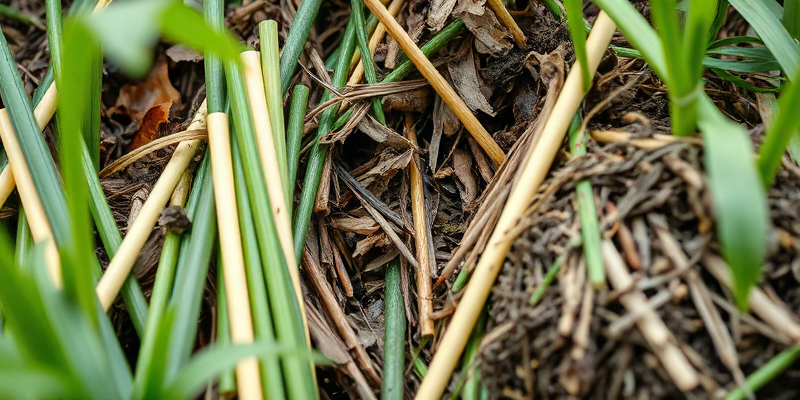
The transition to sugar cane straws delivers tangible busines advantages beyond regulatory compliance. Forward-thinking operations are discovering these benefits translate to improved performance acros multiple metrics.
### Verbesserte Markenwahrnehmung
Consumer research from McKinsey & Company reveals that 66% of all consumers—and 75% of millennials—consider sustainability when making purchasing decisions. By prominently featuring your use of sugar cane straws in marketing materials and on-premise signage, you signal authentic environmental commitment. Unlike greenwashing with misleading “biodegradable” plastic alternatives, sugar cane straws represent genuine sustainability that increasingly sophisticated consumers recognize and reward with loyalty.
### Operational Efficiency
Strohhalme aus Zuckerrohr beseitigen die praktischen Probleme, die andere Alternativen mit sich bringen. Die in Houston ansässige Restaurantkette Coastal Kitchen meldete einen Rückgang der Kundenbeschwerden um 22 %, nachdem sie von Papierstrohhalmen auf Alternativen aus Zuckerrohr umgestiegen war. Ihre Betriebsabfälle verringerten sich erheblich, da das Personal während des Betriebs keine durchnässten Trinkhalme mehr austauschen musste und Getränkenachbereitungen aufgrund von Strohhalmversagen praktisch verschwunden waren.
### Kostenstabilisierung
While the per-unit cost of sugar cane straws may be marginally higher than conventional plastic, they provide insulation from escalating plastic taxes and disposal surcharges. In regions with plastic bans, businesses face penalties averaging $300 per violation. Additionally, bulk purchasing and customization opportunities enable economies of scale that bring the price difference down to pennies per unit.
### Humidity Resistance
Unlike paper alternatives that quickly deteriorate in humid environments, sugar cane straws maintain their integrity in tropical climates and high-moisture settings. This makes them particularly valuable for businesses operating in coastal regions, water parks, or outdoor venues where humidity is a constant challenge.
Discover humidity-resistant options for tropical hospitality settings that maintain integrity in challenging environments.
Umweltauswirkungen: Warum Zuckerrohrstrohhalme gewinnen
The environmental advantages of sugar cane straws extend well beyond simply replacing plastic. Their entire lifecycle represents a circular economy model with cascading benefits.
Sugar cane, a rapidly renewable resource, captures carbon during growth that offsets emissions during production. According to the Sustainable Packaging Coalition, each ton of sugar cane bagasse (the fibrous byproduct used in straw manufacturing) repurposed for products like straws prevents approximately 1.6 tons of CO2 from entering the atmosphere compared to petroleum-based alternatives.
Unlike conventional plastic that persists for centuries, sugar cane straws decompose within 90 days in natural settings and within 30-45 days in commercial composting facilities. This decomposition produces no toxic residues or microplastics—just organic matter that returns nutrients to soil. According to the Umweltprogramm der Vereinten Nationen (rel=”nofollow”), this rapid biodegradation significantly reduces harm to marine ecosystems, where an estimated 8 million metric tons of plastic enters oceans annually.
The manufacturing proces itself repurposes agricultural waste that would otherwise be burned. By creating value from this byproduct, sugar cane straws help reduce the approximately 30 million tons of sugar cane waste that would otherwise contribute to air pollution through burning.
For businesses communicating their environmental initiatives to stakeholders, these metrics provide concrete, verifiable claims that substantiate sustainability commitments with measurable impacts rather than vague promises.
Learn more about sustainable solutions for eco-conscious businesses that deliver genuine environmental benefits.
Fallstudie: Zuckerrohrstrohhalme in Aktion erfolgreich
The transition to sugar cane straws has yielded impressive results for businesses acros various sectors. One particularly compelling example comes from Pacific Coast Hospitality, a mid-sized hotel chain with 32 properties acros western coastal states.
In early 2022, facing impending plastic straw bans in California and Oregon, Pacific Coast’s leadership sought a solution that would work acros their diverse food and beverage operations—from poolside bars to fine dining restaurants. After testing multiple alternatives, they selected customized sugar cane straws featuring their wave logo.
The implementation proces took just 45 days, including staff training and customer communication strategy development. Within six months, they documented:
- 87% reduction in plastic waste acros all properties (equivalent to 1.2 million plastic straws annually)
- 94% positive customer feedback on the straw quality (based on satisfaction surveys)
- $42,000 in avoided plastic tax penalties in regulated municipalities
- 22% increase in social media mentions highlighting their sustainability initiatives
Perhaps most surprisingly, despite the higher unit cost compared to conventional plastic straws, their total straw-related expenses decreased by 5.7%. This was attributed to reduced waste (fewer discarded, unused straws) and elimination of compliance penalties in regulated jurisdictions.
“The customized sugar cane straws became more than just an operational solution—they’ve become a tangible representation of our brand values that guests literally hold in their hands,” noted Maria Chen, Pacific Coast’s Director of Sustainability. “The guest feedback has been overwhelmingly positive, particularly from corporate clients who share our environmental commitments.”
Find the best sugar cane straws for your B2B needs with proven succes acros various industry applications.
Häufig gestellte Fragen
- Wie lange sind Zuckerrohrstrohhalme in verschiedenen Getränken haltbar?
- Sugar cane straws maintain their structural integrity for 2-3 hours in most beverages, including hot drinks up to 185°F (85°C). They perform exceptionally well in cold drinks, smoothies, and alcoholic beverages where paper alternatives typically fail within 30-60 minutes. The natural fibers resist breaking down when exposed to acids in citrus drinks or alcohol, making them ideal for cocktail service.
- Welche Individualisierungsmöglichkeiten gibt es für B2B-Bestellungen?
- Businesses can customize sugar cane straws in multiple ways: branded printing with food-safe inks, custom diameters (standard 6mm, jumbo 8mm, or bubble tea 12mm), various lengths from 5-10 inches, straight or bendable designs, and individual paper wrapping with custom printing. Minimum order quantities for customization typically start at 50,000 units, with lead times averaging 3-4 weeks.
- How should businesses store sugar cane straws?
- For optimal longevity, store sugar cane straws in their original packaging in a cool, dry place away from direct sunlight. While they’re more humidity-resistant than paper alternatives, extremely humid environments (above 80% humidity) may affect their quality over time. Properly stored, they maintain quality for 24 months from production date.
- Are sugar cane straws more expensive than conventional plastic straws?
- On a pure unit cost basis, sugar cane straws typically cost 15-25% more than conventional plastic straws. However, when factoring in plastic taxation (where applicable), waste disposal surcharges, and potential non-compliance penalties, the total cost of ownership often favors sugar cane alternatives. Bulk ordering further reduces the price differential.
- Can sugar cane straws be composted in standard commercial composting facilities?
- Yes, sugar cane straws are accepted at all commercial composting facilities without special processing requirements. They typically break down within 30-45 days in commercial composting conditions and 60-90 days in home composting environments. Unlike PLA “compostable” plastics that require specific industrial facilities, sugar cane straws decompose naturally in virtually any composting setting.
- Auf welche Zertifizierungen sollten Unternehmen bei der Beschaffung von Zuckerrohrstrohhalmen achten?
- Priority certifications include FDA approval (for food contact safety), LFGB certification (European safety standard), home compostability certification (such as TÜV Austria’s OK Compost HOME), and manufacturing facility certifications (ISO 22000 for food safety management). Additional beneficial certifications include non-GMO verification and USDA Biobased certification.
- How do sugar cane straws support corporate ESG (Environmental, Social, Governance) goals?
- Sugar cane straws contribute to multiple ESG metrics: environmental (reduced carbon footprint, waste reduction, biodiversity protection through reduced plastic pollution), social (supporting agricultural communities where sugar cane is grown, improved customer perception), and governance (regulatory compliance, transparent supply chain). Many companies now include their transition to sustainable alternatives like sugar cane straws in their annual sustainability reporting.