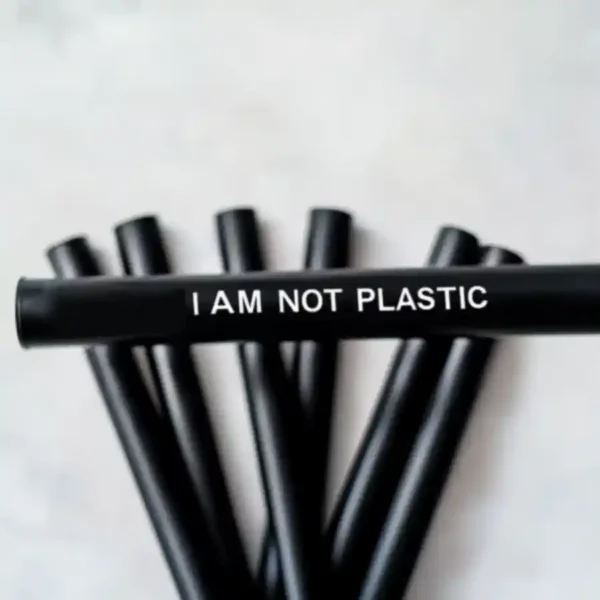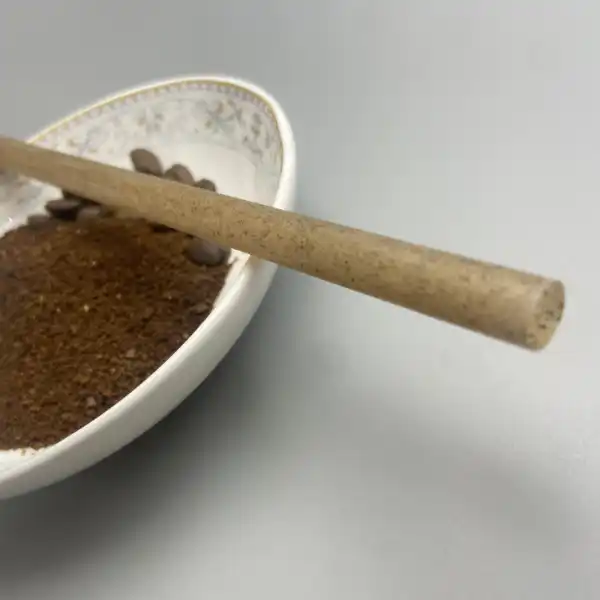

Angesichts der zunehmenden Umweltbedenken kam es weltweit zu einer Verschärfung der Vorschriften für Boba-Strohhalme aus Kunststoff, einem Hauptverursacher der Plastikverschmutzungskrise. Dieser Blogbeitrag soll Licht auf die aktuelle Situation, staatliche Vorschriften und deren Auswirkungen auf Unternehmen in Bezug auf Compliance, Nachhaltigkeit und zukünftige Trends werfen.
Einführung

Aktuelles Szenario der Plastikverschmutzung
Plastikverschmutzung ist ein schwerwiegendes Umweltproblem, da Einwegkunststoffe, einschließlich Boba-Strohhalme aus Kunststoff, erhebliche ökologische Schäden verursachen. In den USA werden täglich 500 Millionen Plastikstrohhalme weggeworfen, was massiv zur Meeresverschmutzung beiträgt[1][5]. Diese Strohhalme landen oft auf Mülldeponien oder im Meer und stellen eine ernsthafte Bedrohung für das Leben im Meer dar.
Regierungsvorschriften zu Boba-Strohhalmen aus Kunststoff
Regierungen auf der ganzen Welt haben Vorschriften erlassen, um die Verwendung von Boba-Strohhalmen aus Kunststoff zu reduzieren. Beispielsweise ist im Vereinigten Königreich seit Juli 2021 die Verteilung von Plastikstrohhalmen mit einigen Ausnahmen verboten[4].
Compliance und Nachhaltigkeit für Unternehmen

Die Einhaltung dieser Vorschriften ist nicht nur eine gesetzliche Verpflichtung, sondern eine geschäftliche Notwendigkeit. B2B-Käufer und auf Nachhaltigkeit ausgerichtete Unternehmen müssen sich an diese Veränderungen anpassen, um ihren Ruf und ihre Marktposition zu behaupten.
Hintergrund
Geschichte der Plastikstrohvorschriften
Die Vorschriften gegen Plastikstrohhalme haben sich im Laufe der Jahre verschärft. In den USA wies der im Dezember 2020 verabschiedete Save Our Seas 2.0 Act die EPA an, eine nationale Strategie zur Bekämpfung der Plastikverschmutzung zu entwickeln, einschließlich der Reduzierung der Verwendung von Plastikstroh[3].
Problem der Boba-Strohhalme aus Kunststoff

Boba-Strohhalme aus Kunststoff tragen aufgrund ihrer umfangreichen Verwendung in der Lebensmittel- und Getränkeindustrie erheblich zur Mikroplastikverschmutzung bei. Da diese Strohhalme nicht biologisch abbaubar sind, verbleiben sie Hunderte von Jahren in der Umwelt und setzen beim Abbau schädliches Mikroplastik frei.
Current Government Regulations on Plastic Boba Straws
Governments across the world have implemented regulations to curb the use of plastic boba straws. These regulations are pushing businesses, particularly those in the food and beverage industry, to adopt sustainable alternatives. Below is an overview of key regulations in several countries:
European Union (EU)
In 2021, the European Union enforced the Single-Use Plastics Directive (SUPD), which prohibits the use of single-use plastic straws, whether they are labeled as “bio-sourced” or “home compostable.” This ban applies to all EU member states and aims to reduce plastic waste and its environmental impact.
United Kingdom (UK)
Since July 2021, the UK has implemented a ban on the distribution of plastic straws. Businesses are prohibited from selling plastic straws as a standard offering and must instead provide alternatives such as paper or bamboo. However, there are exemptions:
- Plastic straws may be kept out of sight and provided only upon customer request.
- Businesses cannot offer plastic straws verbally or in writing.
Australia (New South Wales)
Starting January 1, 2025, businesses in New South Wales will no longer be allowed to include banned plastic items in packaged food and drinks. This includes plastic straws sealed within packaging or attached to beverage containers via machine automation.
Implications for Businesses
Compliance Requirements
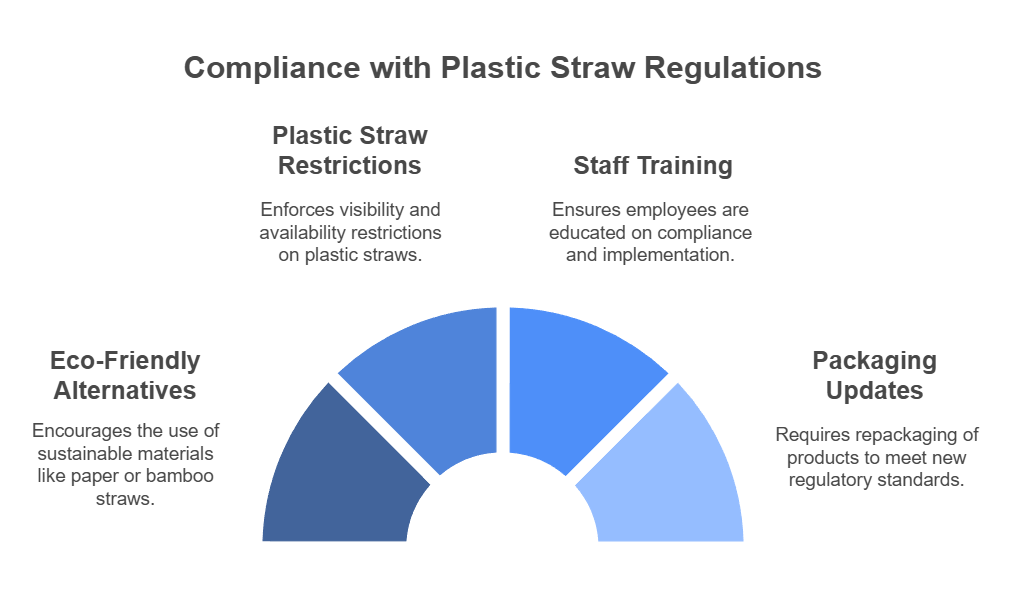
To comply with these regulations, businesses must make adjustments to their operations:
- Offer Alternatives: Businesses must provide eco-friendly alternatives such as paper or bamboo straws.
- Plastic Straw Restrictions: Where permitted, businesses must keep plastic straws out of sight and offer them only upon request.
- Mitarbeiterschulung: Businesses need to ensure that employees are informed about the new regulations and understand how to implement them.
- Packaging Updates: Products with integrated straws must be repackaged to comply with the new regulations.
Sustainability Challenges
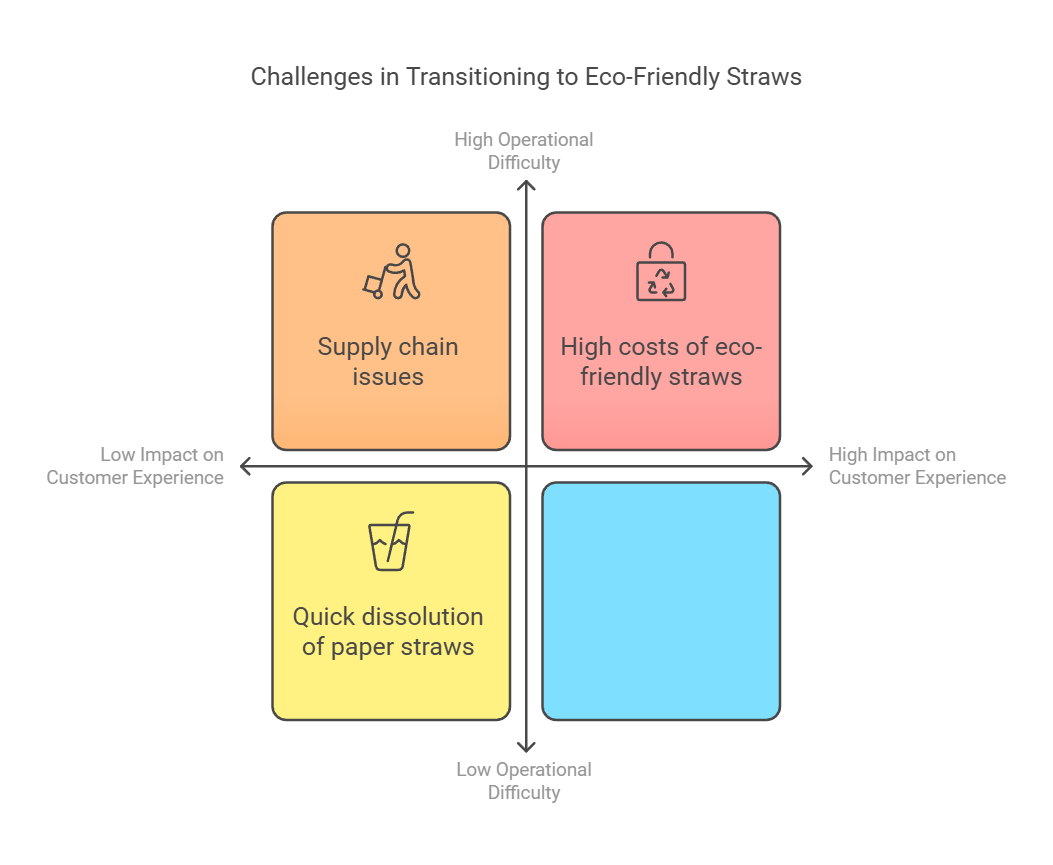
While transitioning away from plastic straws, businesses face several challenges:
- Quality of Alternatives: Many paper straws dissolve quickly in liquids, potentially affecting the customer experience, especially in beverages like bubble tea.
- Höhere Kosten: Eco-friendly alternatives often come with a higher price point compared to plastic straws.
- Supply Chain Issues: Businesses must source reliable suppliers for sustainable straws, which can sometimes be challenging and costly.

Future Trends
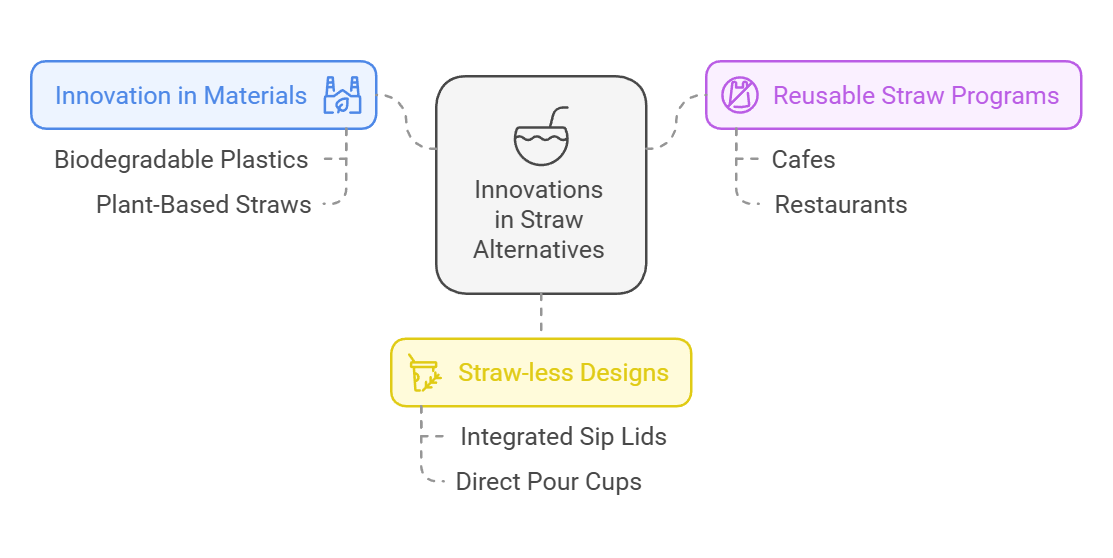
As the market adapts to these regulations, businesses are looking towards innovations that can address both environmental concerns and customer needs:
- Innovation in Materials: New, more durable, and eco-friendly materials are being developed to replace plastic straws.
- Reusable Straw Programs: Cafes and restaurants are introducing reusable straw programs to further reduce waste and enhance sustainability.
- Straw-less Designs: Some businesses are exploring cup designs that eliminate the need for straws altogether, further contributing to sustainability efforts.
Abschluss
The shift towards banning plastic straws is not just a regulatory requirement but a business opportunity. By staying informed about government regulations and adopting sustainable practices, businesses, especially in the bubble tea industry, can avoid penalties, enhance their brand image, and attract environmentally conscious customers. Embracing eco-friendly alternatives can improve sustainability efforts, reduce costs, and ultimately build customer loyalty.
Zitate:
- Taipec – Plastic Straws: What Are the Rules Bubble Tea Shop Owners Should Know?
- Drinking Straw – What is Bio-Sourced Bioplastic Straw?
- EPA – New South Wales Plastics Ban Guidance
- Drinking Straw – Which Alternatives to Plastic Straws?
- Renouvo – Plastic Straws Ban in the US and Europe
- Instagram – Advancing Justice