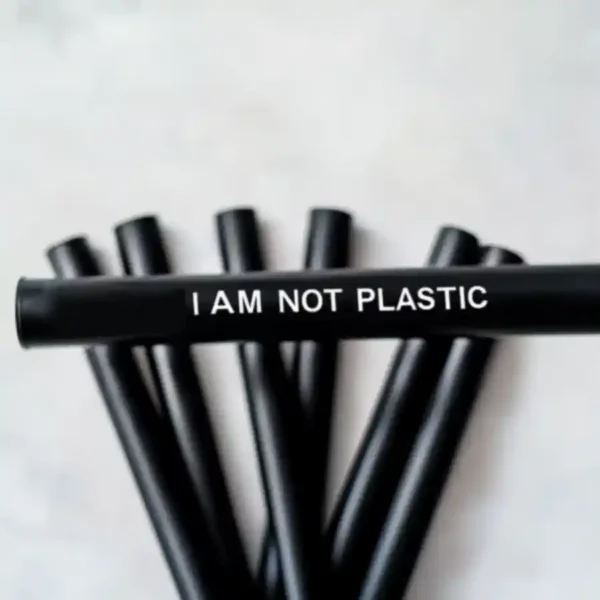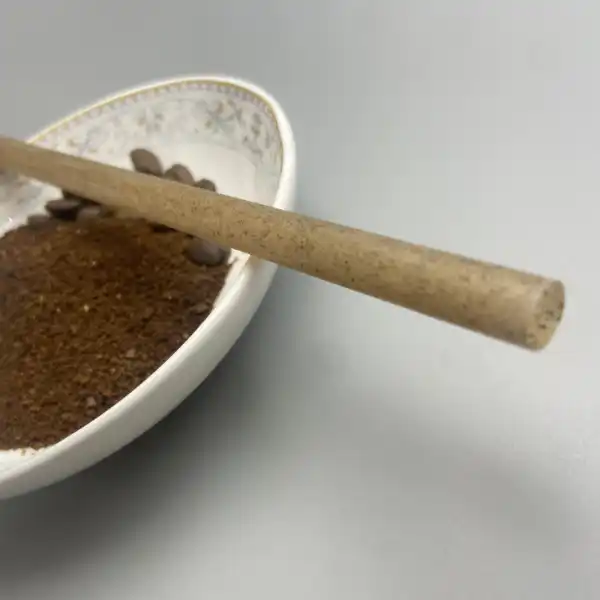

As global awareness of plastic pollution intensifies, businesses and consumers increasingly demand sustainable alternatives to single-use plastic straws. Traditional plastic straws persist in the environment for centuries, leaching microplastics and harming marine ecosystems. Biodegradable materials such as sugarcane bagasse, bamboo, plant-based polymers (like PLA and PHA), and paper offer compelling alternatives, balancing durability, cost-effectiveness, and environmental responsibility. This article examines emerging trends in eco-friendly straws, highlighting their advantages over conventional plastic and providing actionable insights for businesses seeking to adopt sustainable practices.
Treiber des Wandels: Der Aufstieg biologisch abbaubarer Zuckerrohrstrohhalme
Environmental Regulations and Consumer Demand
Weltweit erlassen Regierungen Gesetze, um die Verschmutzung durch Einwegplastik einzudämmen. Ruanda, Kanada und Kenia haben Plastikstrohhalme komplett verboten. Diese Verbote sowie die wachsende Präferenz der Verbraucher für nachhaltige Marken (67 % der Verbraucher legen Wert auf Nachhaltigkeit) treiben die Einführung biologisch abbaubarer Alternativen voran. Die Verpflichtung von Starbucks Japan, bis 2025 auf PHBH-Strohhalme (ein aus Pflanzenöl gewonnenes Material, das sich in CO2 und Wasser zersetzt) umzustellen, ist ein Beispiel für diesen Wandel. Restaurants und Unternehmen, die kompostierbare oder im Meer abbaubare Strohhalme einsetzen, erfüllen nicht nur die gesetzlichen Anforderungen, sondern ziehen auch umweltbewusste Kunden an, was das Markenimage stärkt und möglicherweise die Kundenbindung erhöht.
Vergleich biologisch abbaubarer Strohmaterialien: Eine detaillierte Analyse
Bei der Wahl des biologisch abbaubaren Strohmaterials müssen verschiedene Faktoren sorgfältig berücksichtigt werden. Hier ist eine vergleichende Analyse beliebter Optionen:
| Material | Profis | Nachteile | Kostenvoranschlag (USD/Stroh) | Zersetzungsbedingungen | Zusätzliche Überlegungen |
|---|---|---|---|---|---|
| Zuckerrohr-Bagasse | Langlebig, im Meer abbaubar, geringer CO2-Fußabdruck, relativ kostengünstig. | Möglicherweise nicht für alle Getränke geeignet. Bruchgefahr. | 0,02 $ – 0,05 $ | Kompostierungsanlagen oder Meeresumwelt. | Beschaffen Sie sich verantwortungsbewusst, um Nachhaltigkeit zu gewährleisten. |

Materialoptionen für nachhaltige Verpackungen
Materialübersicht
| Material | Profis | Nachteile | Kosten | Kompostierungsoptionen | Notizen |
|---|---|---|---|---|---|
| Bagasse | Erneuerbarer Rohstoff, biologisch abbaubar, kompostierbar. | Begrenzte Farb- und Stiloptionen. | 0,05 $ – 0,08 $ | Industrielle Kompostierung, Marine | Die Beschaffung ist für die Nachhaltigkeit von entscheidender Bedeutung. |
Biologisch abbaubare Strohmaterialien: Ein Vergleich
| Material | Profis | Nachteile | Kosten pro 1000 | Entsorgungsmethode | Zusätzliche Hinweise |
|---|---|---|---|---|---|
| Bagasse (Zuckerrohr) | Nachhaltig zertifizierte Bagasse ist für den Nutzen für die Umwelt von entscheidender Bedeutung. Biologisch abbaubarer, kompostierbarer, erneuerbarer Rohstoff. | Möglicherweise nicht für alle Getränke geeignet. Die Haltbarkeit kann variieren. | 0,05 $ – 0,08 $ | Heimkompostierung, industrielle Kompostierung | Beziehen Sie nachhaltig zertifizierte Bagasse für optimale Umweltauswirkungen. |
| PHA (Polyhydroxyalkanoat) | Zersetzt sich im Boden und im Meerwasser; ähnliche Haptik und Leistung wie Kunststoff. | Höhere Kosten; begrenzte Verfügbarkeit im Vergleich zu anderen Optionen. | 0,11 $ – 0,15 $ | Industrielle Kompostierung, Erde, Meerwasser | Eine vielversprechende Alternative zu biologisch abbaubarem Kunststoff, doch die Kosten stellen nach wie vor ein Hindernis für eine breite Einführung dar. |
| Papier | Erschwinglich; weit verbreitet; leicht kompostierbar. | Durchnässt in Getränken; es mangelt an Haltbarkeit; nicht für alle Getränke geeignet. | 0,04 $ – 0,06 $ | Heimkompostierung, industrielle Kompostierung | Erwägen Sie die Verwendung einer lebensmittelechten Beschichtung, um die Haltbarkeit und Wasserbeständigkeit zu verbessern. |
| Bambus | Wiederverwendbar (bis zu 6 Monate); frei von Chemikalien; ästhetisch ansprechend. | Erfordert häufige Reinigung und Desinfektion; Splittergefahr besteht. | 0,10 $ – 0,15 $ | Nicht anwendbar (wiederverwendbar) | Erfordert geeignete Reinigungsprotokolle, um Hygiene und Langlebigkeit zu gewährleisten. Eine nachhaltige Alternative zu Einweg-Plastikstrohhalmen. |
| PLA (Polymilchsäure) | Kompostierbar in Industrieanlagen; nachwachsender Rohstoff (Maisstärke oder Zuckerrohr). | Nicht für die Heimkompostierung geeignet; wird möglicherweise nicht in allen Umgebungen vollständig abgebaut. Eine biologisch abbaubare Kunststoffoption aus erneuerbaren Ressourcen. | 0,06 $ – 0,09 $ | Industrielle Kompostierung |

Zuckerrohrstrohhalme: Eine überlegene nachhaltige Lösung
Zuckerrohrbagasse, ein leicht verfügbares Nebenprodukt der Zuckerproduktion, entwickelt sich schnell zu einer führenden nachhaltigen Alternative zu Plastikstrohhalmen. Seine Vorteile überzeugen:
- Außergewöhnliche Haltbarkeit: Behält die strukturelle Integrität sowohl bei heißen als auch bei kalten Getränken bis zu 12 Stunden lang bei und bietet ein Benutzererlebnis, das mit herkömmlichen Plastikstrohhalmen vergleichbar ist. Diese verlängerte Lebensdauer reduziert den Gesamtverbrauch und die Abfallmenge. Beispielsweise behalten die Zuckerrohrstrohhalme von KonzaWare über diesen Zeitraum hinweg erfolgreich ihre Form und Funktion bei, was die Robustheit des Materials unter Beweis stellt.
- Meeresfreundliche biologische Abbaubarkeit: Zersetzt sich im Meerwasser innerhalb von 90 Tagen vollständig und hinterlässt keine Mikroplastikrückstände. Dadurch werden die Umweltauswirkungen auf die Meeresökosysteme erheblich gemindert, was angesichts der großen Mengen an Plastikstrohhalmen, die unsere Ozeane verschmutzen, von entscheidender Bedeutung ist.
- Kostengünstige Preise: Der Massenpreis beginnt bereits bei 0,04 US-Dollar pro Strohhalm, was ihn zu einer finanziell sinnvollen Alternative zu Plastik- und sogar Papierstrohhalmen macht. Diese Erschwinglichkeit beseitigt ein erhebliches Hindernis für die Einführung für Unternehmen jeder Größe.

Die Umstellung auf biologisch abbaubare Zuckerrohrstrohhalme bietet eine überzeugende Lösung für Unternehmen, die umweltfreundliche Alternativen zu herkömmlichen Plastikstrohhalmen suchen. Diese Strohhalme bieten eine langlebige, kostengünstige und umweltfreundliche Option und tragen zu einer nachhaltigeren Zukunft bei.
Faktoren, die die Einführung biologisch abbaubarer Zuckerrohrstrohhalme vorantreiben
- Der Großeinkauf von Zuckerrohrstrohhalmen kann die Kosten um 30 % senkenDadurch werden sie für Unternehmen mit hohem Verbrauch immer wettbewerbsfähiger.
- Staatliche Anreize und Subventionen, wie sie beispielsweise im Rahmen der EU-Zuschüsse für die Kreislaufwirtschaft angeboten werden, beschleunigen die Einführung weiter, indem sie Unternehmen beim Übergang zu nachhaltigen Alternativen finanziell unterstützen.
Auch die Vertriebsnetze wachsen rasant und gewährleisten die Zugänglichkeit für Unternehmen weltweit:
- Global retailers like Green Paper Products offer a wide range of compostable straws, including sugarcane, providing convenient access for businesses of all sizes.
- Direct-to-business platforms like ShopEquo offer bulk discounts for restaurants and other food service businesses, streamlining procurement and reducing costs.

Actionable Steps for Businesses Transitioning to Biodegradable Sugarcane Straws
- Conduct a Thorough Usage Audit: Accurately calculate daily and weekly straw consumption to establish a realistic budget and procurement plan. This will inform purchasing decisions and ensure efficient inventory management.
- Test a Variety of Biodegradable Materials: Experiment with different biodegradable options, such as sugarcane for everyday use and PHA for high-end establishments requiring superior durability and aesthetics. This allows you to select the most suitable option based on your specific needs and budget.
- Educate Your Customers: Use clear and informative signage to communicate the environmental benefits of your sustainable straw choice. Phrases like “This straw helps protect our oceans” or “Made from 100% renewable sugarcane” can resonate with environmentally conscious consumers.
- Collaborate with Environmental NGOs: Partner with organizations focused on ocean conservation to amplify your sustainability message and contribute to meaningful environmental initiatives. WinCup’s phade® program, which supports coral reef restoration, offers a compelling example of such partnerships.
Häufig gestellte Fragen (FAQ)
Vergleich biologisch abbaubarer Strohmaterialien: Eine detaillierte Analyse
Choosing the right biodegradable straw material requires careful consideration of various factors. The following table compares prominent options, highlighting their strengths and weaknesses:
| Material | Profis | Nachteile | Cost (USD/straw) | Example Use Cases |
|---|---|---|---|---|
| PLA (Polymilchsäure) | Heat-resistant, suitable for coffee and tea. | Can be brittle; not always compostable at home. | $0.06 – $0.10 | Coffee shops, cafes |
| Bambus | Natural and biodegradable, but not recommended for extremely hot beverages. | Can be less durable than other options; may require more processing. | $0.04 – $0.07 | Juice bars, restaurants |
| Zuckerrohr-Bagasse | Durable, marine-degradable, low carbon footprint, readily compostable. | May not be suitable for all beverages; can absorb liquids. | 0,05 $ – 0,08 $ | Restaurants, bars |
Fordern Sie noch heute Ihre kostenlosen Muster an!
Ready to make a positive impact on the environment and enhance your business’s sustainability profile? NaturBioÖko offers free sugarcane straw samples to businesses—no obligation! Experience firsthand the durability and performance of these eco-friendly alternatives.

| Material | Properties | Preisklasse | Ideal Customer |
|---|---|---|---|
| Zuckerrohr | Biodegradable, compostable, made from a renewable resource. A sustainable alternative to plastic straws. | $0.08 – $0.10 | Restaurants, cafes, juice bars seeking a durable, environmentally friendly option. |
| PHA (Polyhydroxyalkanoat) | Decomposes in soil and seawater, closely resembles plastic in feel and performance. A high-performance biodegradable straw option. | $0.10 – $0.12 | High-end restaurants, events, or situations requiring a premium, high-performance straw. |
| Papier | Affordable, widely available, easily compostable. An economical biodegradable straw choice. | 0,04 $ – 0,06 $ | Fast-food chains, casual dining establishments where cost is a primary concern. |
| Bambus | Reusable (up to 6 months with proper care), chemical-free, aesthetically pleasing. A sustainable and reusable straw alternative. |
| PLA (Polymilchsäure) | Heat-resistant, FDA-approved | Erfordert industrielle Kompostierung |
| Zuckerrohr-Bagasse | Durable (maintains structural integrity in hot/cold beverages for up to 12 hours), marine-safe (breaks down in seawater within 90 days without microplastic residue), cost-effective (bulk pricing starts at $0.04 per straw) | Erfordert spezielle Kompostierungsbedingungen |
Sugarcane Straws: A Sustainable and Economical Biodegradable Alternative
Sugarcane bagasse, a readily available byproduct of sugar production, is rapidly gaining traction as a superior alternative to traditional plastic and even PLA straws. Its unique properties offer a compelling solution for businesses seeking eco-friendly and cost-effective options.
Key Advantages of Biodegradable Sugarcane Straws:
1. Exceptional Durability:
Unlike paper straws that often become soggy, sugarcane straws maintain their structural integrity in both hot and cold beverages for up to 12 hours. This extended usability enhances the customer experience and reduces waste associated with prematurely discarded straws. For example, independent testing demonstrated a 12-hour structural integrity in both iced coffee and hot tea.
Umweltvorteile von Zuckerrohrstrohhalmen
Zuckerrohrstrohhalme sind vollständig biologisch abbaubar und kompostierbar. Ihre Zersetzung im Meerwasser innerhalb von 90 Tagen beseitigt die hartnäckige Mikroplastikverschmutzung, die mit herkömmlichen Plastikstrohhalmen einhergeht. Dies steht im Einklang mit der wachsenden Besorgnis der Verbraucher und Regulierungsbehörden hinsichtlich der Meeresverschmutzung. Darüber hinaus ist die Kompostierung zu Hause möglich, erfordert jedoch möglicherweise längere Zersetzungszeiten (ungefähr 180 Tage, wie die Zuckerrohrstrohhalme von KonzaWare zeigen). Dies bietet eine leichter zugängliche Kompostierungslösung im Vergleich zu PLA-Strohhalmen, die normalerweise industrielle Kompostieranlagen erfordern.
Kosteneffizienz von Zuckerrohrstrohhalmen
Mit Mengenpreisen ab nur 0,04 $ pro Strohhalm stellen Zuckerrohrstrohhalme eine äußerst wettbewerbsfähige Alternative zu Papier- und Plastikstrohhalmen dar. Diese Erschwinglichkeit macht sie zu einer finanziell tragfähigen Option für Unternehmen jeder Größe und ermöglicht ihnen die Einführung nachhaltiger Praktiken, ohne die Betriebskosten wesentlich zu erhöhen. Ein direkter Kostenvergleich mit Ihrem aktuellen Strohlieferanten wird im Laufe der Zeit wahrscheinlich erhebliche Einsparungen ergeben.
Die Zuckerrohrstrohhalme von KonzaWare dienen als Paradebeispiel für das Potenzial dieses Materials. Ihre 180-tägige Kompostierbarkeit zu Hause, gepaart mit einem Benutzererlebnis, das mit herkömmlichen Plastikstrohhalmen vergleichbar ist, zeigt die erfolgreiche Integration von Nachhaltigkeit und Praktikabilität.
Marktwachstum und Branchenakzeptanz: Eine boomende Chance für biologisch abbaubare Strohhalme
The global eco-friendly straw market is experiencing explosive growth, projected to reach a staggering $22 billion by 2033, up from $10 billion in 2023, representing a compound annual growth rate (CAGR) of 12.2% through 2029. This significant expansion is fueled by several key factors:
- Increased Demand from Hospitality: The hospitality sector, particularly in rapidly developing economies like China and India, is driving substantial growth, with a projected CAGR of 14%. This reflects a growing awareness of environmental responsibility within the
Markttreiber für biologisch abbaubare Zuckerrohrstrohhalme
- Growing Environmental Concerns: The increasing awareness of plastic pollution and its detrimental effects on the environment is driving a global shift towards biodegradable alternatives, creating a significant market for sugarcane straws and other eco-friendly products within the food and beverage industry and a corresponding demand for sustainable alternatives.
- Corporate Sustainability Pledges: A rising number of corporations are incorporating sustainability initiatives into their business strategies, leading to increased demand for eco-friendly products like sugarcane straws. These pledges often include specific targets for reducing plastic waste, creating a strong market pull for sustainable alternatives.
- Consumer Preference Shift: Consumers are increasingly conscious of their environmental impact and actively seek out sustainable products. This shift in consumer preference is creating a significant market opportunity for businesses offering eco-friendly alternatives, such as biodegradable sugarcane straws.
Strategien zur Nutzung des Marktwachstums für biologisch abbaubares Stroh
To capitalize on this market growth, businesses should consider:
- Supplier Diversification: Explore multiple sugarcane straw suppliers to ensure consistent supply and competitive pricing.
- Strategische Partnerschaften: Collaborate with industry leaders and sustainability organizations to enhance brand reputation and market reach.
- Marketing & Communication: Highlight the sustainability benefits of sugarcane straws in marketing materials to attract environmentally conscious consumers. Emphasize the biodegradable nature of the straws and their positive impact on reducing plastic waste.
By strategically leveraging the growing demand for sustainable solutions, businesses can position themselves for success within this rapidly expanding market. The transition to sugarcane straws represents not just a cost-effective solution but also a significant step towards a more environmentally responsible future.


Häufig gestellte Fragen zu Zuckerrohrstrohhalmen
Q: What are the benefits of using biodegradable sugarcane straws?
Biodegradable sugarcane straws offer several advantages, including their durability, marine-degradability, low carbon footprint, and relatively low cost. They are a sustainable alternative to traditional plastic straws, helping to reduce plastic pollution.
Q: What are the best biodegradable straw options for my business?
The ideal biodegradable straw depends on your budget and needs. Bagasse offers a cost-effective and readily compostable solution, while PHA provides a more durable, plastic-like alternative. Paper straws are affordable but less durable. Bamboo straws are reusable, reducing waste.
Q: How do I dispose of biodegradable straws responsibly?
Check the specific disposal instructions for each material. Many biodegradable straws are compostable in industrial facilities, while some can be composted at home. Always follow local recycling guidelines.
F: Wie haltbar sind Zuckerrohrstrohhalme?
Sugarcane straws maintain their structural integrity in both hot and cold beverages for up to 12 hours, offering a user experience comparable to plastic straws.
Q: How long do sugarcane straws take to biodegrade?
Sugarcane straws completely break down in seawater within 90 days, leaving no microplastic residue.
Q: How long do biodegradable straws take to decompose?
A: Decomposition time varies depending on the material and composting conditions. Marine-degradable PHA typically breaks down within 3-6 months, while sugarcane straws decompose in approximately 6 months under optimal composting conditions. Industrial composting is often required for optimal decomposition rates.
Q: Are compostable straws safe for hot drinks?
A: Sugarcane straws are generally safe for hot drinks up to a certain temperature. Always check the manufacturer’s recommendations for safe usage.
Q: Can I order small quantities of sustainable straws?
A: Yes, many retailers, such as GreenPrint, offer smaller sample orders, often starting around 200 units, allowing businesses to test the product before committing to larger orders.
Q: Do biodegradable straws cost more than plastic straws?
A: Currently, biodegradable options are approximately 20% more expensive than plastic. However, this added cost is often offset by increased customer loyalty, improved brand image, and potential savings from regulatory compliance.
Q: What are the benefits of switching to biodegradable straws?
Switching to biodegradable straws offers numerous benefits, including enhanced brand reputation, increased customer loyalty, and a reduced environmental footprint. It demonstrates a commitment to sustainability.
Q: What factors should I consider when choosing a biodegradable straw material?
Consider factors such as cost, durability, performance, and compatibility with your brand image and target market. Think about the disposal infrastructure in your area as well.
Q: How can I communicate my commitment to using biodegradable straws?
Clearly communicate your switch to biodegradable straws through marketing materials, in-store signage, and on your website. Highlight the environmental benefits of your choice.