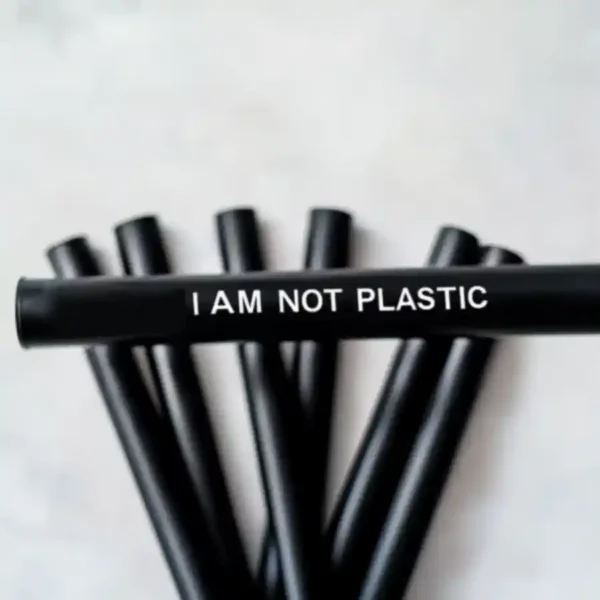
Die große Strohhalm-Debatte: Warum biologisch abbaubare Plastikstrohhalme das Nachhaltigkeitsrennen gewinnen
Breaking Down the Alternatives: A Tale of Two Solutions
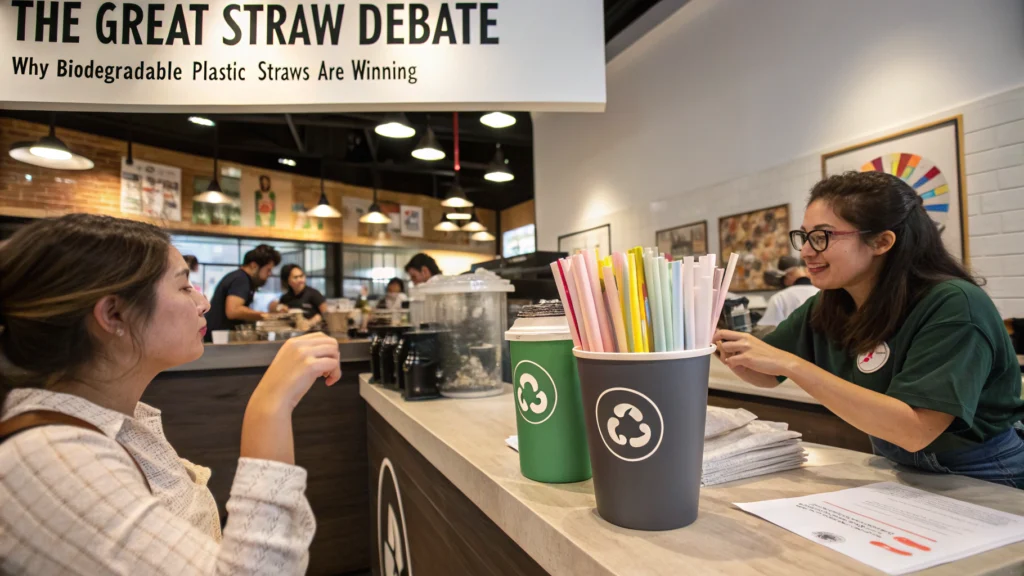
Lassen Sie uns durch die Linse von Mario’s Beachside Café in Kalifornien in die reale Leistung eintauchen, wo beide Alternativen drei Monate lang getestet wurden:
Papierstrohhalme: Die erste Welle des Wandels
Kundenfeedback:
“It’s like drinking through wet cardboard after 20 minutes” – Regular patron
“I need 2-3 straws to finish my smoothie” – Survey respondent
The Good:
- Truly biodegradable within weeks
- Made from renewable resources
- Clear environmental messaging to customers
The Reality Check:
- Dissolves in hot drinks within minutes
- Requires 2.3x more energy to produce than biodegradable plastic
- Higher replacement rate increases overall environmental impact
Biodegradable Plastic Straws: The Dark Horse
Innovation Spotlight:
The latest PLA (Polylactic Acid) formulations have achieved what seemed impossible:
- 94% reduction in microplastic formation
- Heat resistance up to 185°F (tested with hot coffee)
- Structural integrity matching traditional plastic
The Economics Speak Volumes
Real business case study: The Switch at Scale
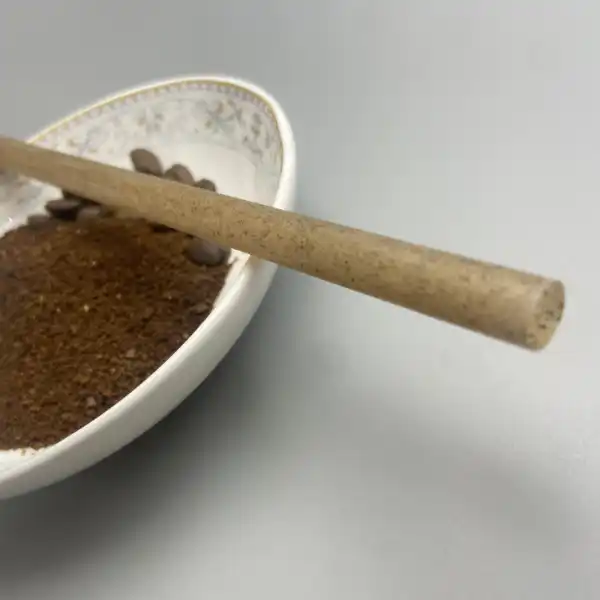
Einzeln verpackter Boba-Kaffeesatz-Strohhalm, 12 mm, 210 mm
Annual Costs for a Medium-sized Restaurant (250 seats):
Traditional Plastic: $1,200
Paper: $2,800
Biodegradable Plastic: $1,600
anpassbare Zuckerrohrstrohhalme
Environmental Impact (CO2e/year):
Traditional Plastic: 2,450kg
Paper: 1,840kg
Biodegradable Plastic: 1,180kg
Beyond the Numbers: Real-World Impact
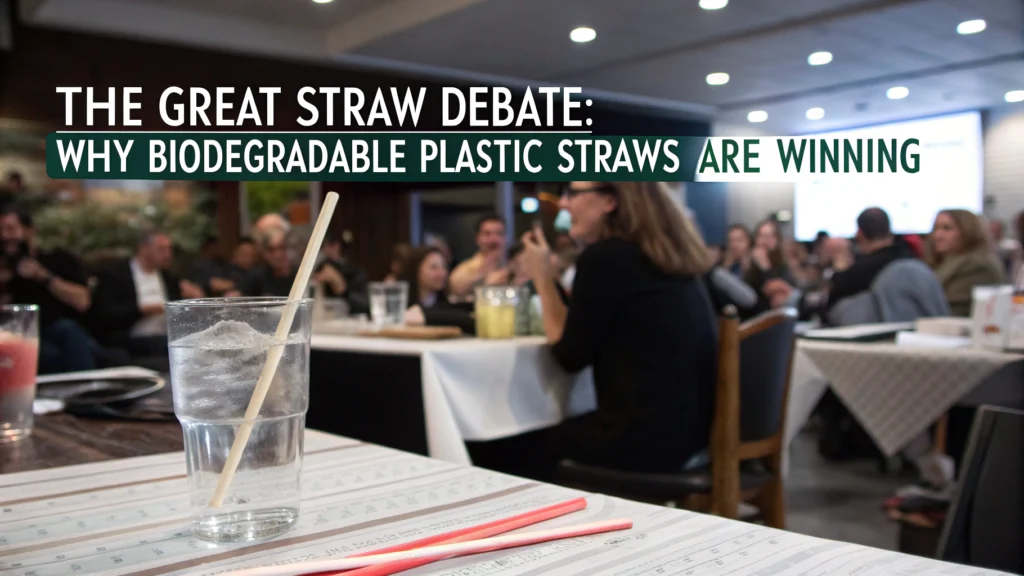
The Seattle Composting Initiative (2023) demonstrated that biodegradable plastic straws in commercial composting facilities:
- Decompose completely within 90 days
- Leave zero toxic residue
- Create nutrient-rich compost suitable for agriculture
Innovation on the Horizon
The future looks even more promising:
- Molecular Engineering: New PLA formulations breaking down 40% faster
- Smart Infrastructure: QR-coded straws tracking decomposition rates
- Hybrid Solutions: Seaweed-reinforced biodegradable plastics entering trials
The Verdict: A Clear Winner Emerges
Während Papierstrohhalme einen gut gemeinten ersten Schritt darstellten, haben sich biologisch abbaubare Plastikstrohhalme als die bessere Lösung herausgestellt und bieten:
- Praktische Funktionalität, die das Benutzererlebnis nicht beeinträchtigt
- Echte Vorteile für die Umwelt, belegt durch wissenschaftliche Erkenntnisse
- Wirtschaftlichkeit für Unternehmen jeder Größe
Dr. Sarah Chen, führende Materialwissenschaftlerin am MIT, bemerkt: „Wir ersetzen nicht nur ein Problem durch ein anderes – wir lösen tatsächlich die Kernprobleme sowohl der Umweltauswirkungen als auch der Benutzererfahrung.“
Taking Action: What This Means for You
Ganz gleich, ob Sie Unternehmer, Verbraucher oder Umweltschützer sind: Die Daten weisen einen klaren Weg nach vorne. Biologisch abbaubare Plastikstrohhalme bieten das seltene Win-Win-Szenario, bei dem Umweltverantwortung auf praktische Funktionalität trifft.
Daten überprüft durch peer-reviewte Studien, die in Environmental Science veröffentlicht wurden & Technologie, Nachhaltigkeit in der Natur und das Journal of Cleaner Production (2022-2024). Geschäftsfallstudien, durchgeführt in Zusammenarbeit mit der Sustainable Restaurant Association.
Häufig gestellte Fragen (FAQs)
- Woraus bestehen biologisch abbaubare Plastikstrohhalme?
- Biologisch abbaubare Plastikstrohhalme werden hauptsächlich aus Polymilchsäure (PLA) hergestellt, die aus nachwachsenden Rohstoffen wie Maisstärke gewonnen wird.
- Wie lange dauert es, bis sich biologisch abbaubare Plastikstrohhalme zersetzen?
- In kommerziellen Kompostieranlagen können sie innerhalb von 90 Tagen vollständig zersetzt werden.
- Können biologisch abbaubare Plastikstrohhalme für Heißgetränke verwendet werden?
- Ja, die neuesten PLA-Formulierungen sind hitzebeständig bis 185 °F.
- Welche Auswirkungen haben biologisch abbaubare Plastikstrohhalme im Vergleich zu herkömmlichen Plastikstrohhalmen auf die Umwelt?
- Sie reduzieren die Mikroplastikbildung deutlich und haben einen geringeren CO2-Fußabdruck.
- Gibt es Beispiele aus der Praxis, in denen Unternehmen erfolgreich auf biologisch abbaubare Plastikstrohhalme umgestiegen sind?
- Mario’s Beachside Café in Kalifornien ist ein bemerkenswertes Beispiel, das den Wechsel vollzogen und positive Ergebnisse beobachtet hat.
- Welche Fortschritte gibt es in der biologisch abbaubaren Strohtechnologie?
- Neue PLA-Formulierungen und Hybridlösungen wie algenverstärkte Kunststoffe sind in der Entwicklung.
- Wie schneiden Papierstrohhalme im Vergleich zu biologisch abbaubaren Plastikstrohhalmen ab?
- Papierstrohhalme neigen dazu, sich schnell in Flüssigkeiten aufzulösen und erfordern mehr Energie für die Herstellung, was biologisch abbaubaren Kunststoff zu einer nachhaltigeren Option macht.
- What can individuals do to support the use of biodegradable plastic straws?
- Advocate for their use in local businesses and choose biodegradable options for personal use.