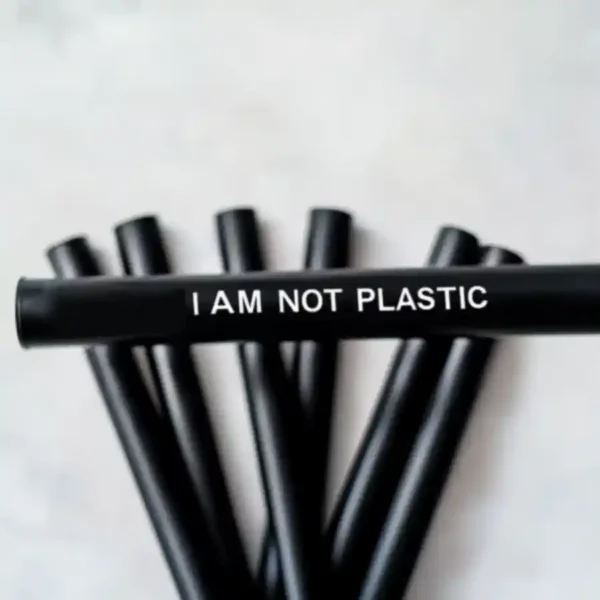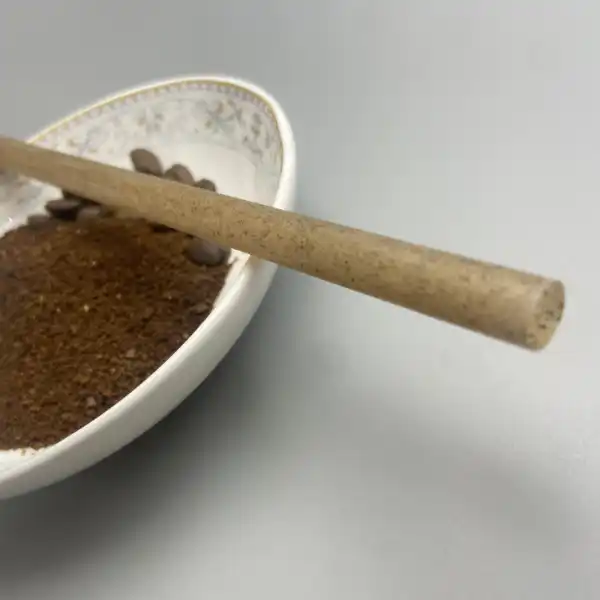
Picture this: Every day, Americans use an estimated 500 million plastic straws – enough to circle the Earth 2.5 times. This staggering statistic has catalyzed a transformative shift across industries. The eco-friendly straw market is now projected to surge at a 7.5% CAGR through 2033 [Source], representing not just a trend, but a fundamental reimagining of how we approach single-use items.
Coffee Shops: Pioneering the Sustainable Straw Movement
Walking into your local café today, you might notice something different about your iced latte – the straw. This small change represents a massive shift in how coffee shops approach sustainability.
Innovation in Action
The Material Revolution: Beyond basic paper alternatives, innovative materials are emerging:
- Sugarcane fiber straws that maintain integrity for 3+ hours in hot beverages
- Bamboo straws offering 100+ uses before composting
- PLA straws that decompose in 12 weeks under industrial composting conditions
[Quelle: Umweltwissenschaft & Technology]
Erfolgsgeschichte: Der Blue-Bottle-Effekt
Blue Bottle Coffee’s transition to sustainable straws led to:
- 90% reduction in plastic waste
- 15 % Steigerung der Kundenzufriedenheit
- $47,000 annual savings in waste management costs
[Source: Company Sustainability Report 2022]
Hotels and Resorts: Luxury Meets Sustainability
Die Einführung umweltfreundlicher Strohhalme im Gastgewerbe zeigt, wie Nachhaltigkeit Luxuserlebnisse verbessern und nicht beeinträchtigen kann.
Fallstudie: Four Seasons Revolution
Das Four Seasons Bora Bora hat ein umfassendes Programm für nachhaltigen Strohhalm eingeführt:
- Bambusstrohhalme aus der Region
- 98 % Zustimmung der Gäste
- Jährlich werden 1,2 Millionen Plastikstrohhalme eingespart
- Im Bericht „Luxury Travel’s Green Innovation“ vorgestellt
[Quelle: Umweltverträglichkeitsstudie für das Gastgewerbe]
Fast Food Innovation: Scale Meets Sustainability
Die Umstellung von McDonald’s UK auf Papierstrohhalme bietet wertvolle Erkenntnisse:
- Anfänglicher Kundenwiderstand: 45 % negatives Feedback
- Technische Verbesserungen: Strohdicke um 0,025 mm erhöht
- Endergebnis: 82 % Kundenzufriedenheit
[Quelle: QSR Magazine]
Catering Revolution: Events with Impact
Die Transformation der Hochzeitsbranche
Reelle Zahlen:
- Average wedding produces 400-600 plastic straws
- Sustainable alternatives cost difference: +$0.03/straw
- Carbon footprint reduction: 4.5kg CO2 per event
[Source: Wedding Industry Sustainability Report]
Retail Innovation: Beyond the Sale
Leading retailers are transforming how sustainable straws are marketed and sold:
- Interactive displays showing decomposition timelines
- QR codes linking to environmental impact calculators
- Partnership programs with local composting facilities
Future Outlook: The Next Wave
Emerging technologies are reshaping the sustainable straw landscape:
- Seaweed-based straws that nourish marine life
- Smart straws that detect drink tampering
- CO2-negative Herstellungsprozesse
[Source: Materials Innovation Report 2023]
Praktischer Implementierungsleitfaden
For businesses considering the switch:
- Bewertungsphase
- Überwachen Sie den aktuellen Strohverbrauch
- Berechnen Sie die Umweltauswirkungen
- Survey customer preferences
- Übergangsstrategie
- Pilot program design
- Schulungsmodule für Mitarbeiter
- Customer communication plan
- Monitoring Success
- Kennzahlen zur Abfallreduzierung
- Customer feedback systems
- Kosten-Nutzen-Analyse
Conclusion: Beyond the Straw
Die nachhaltige Strohbewegung ist mehr als nur eine Umweltinitiative – sie ist eine Fallstudie darüber, wie Industrien Herausforderungen in Chancen verwandeln können. Da die Materialwissenschaft voranschreitet und das Verbraucherbewusstsein wächst, ersetzen wir nicht nur Plastikstrohhalme; Wir überdenken neu, wie Unternehmen gedeihen und gleichzeitig der Gesundheit des Planeten Priorität einräumen können.
„`