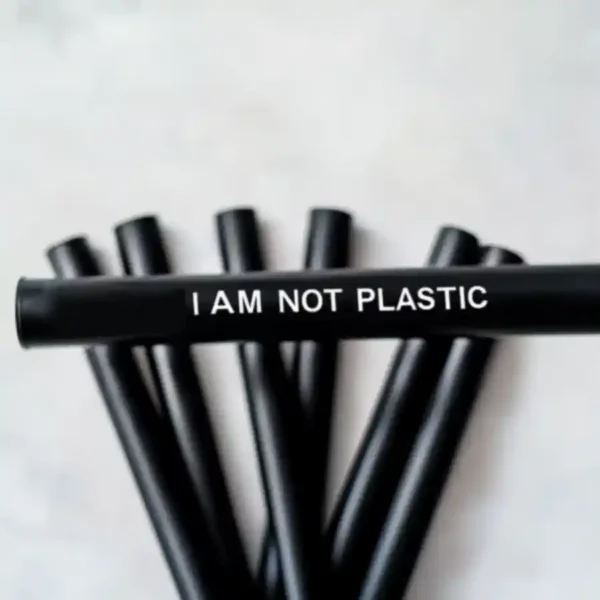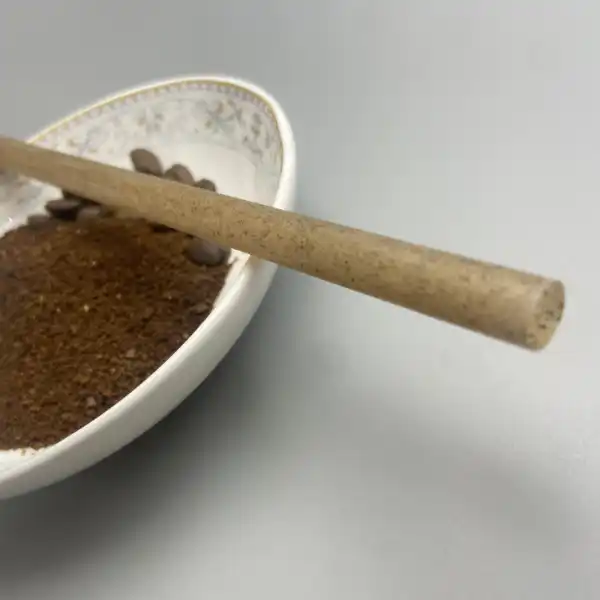
The Hidden Cost of Green Intentions
Imagine spending thousands on kompostierbare Strohhalme only to find they harm the planet as much as plastic. In 2025, 80% of consumers prefer eco-friendly businesses (2025 Sustainability Trends Report), yet many unknowingly send compostables to landfills, where they persist or emit methane—a gas 25x worse than CO2 (2025 Global Bioplastics Council). This guide unravels the composting myth and offers actionable strategies.
Green Haven Café dodged $10k in fines by mastering disposal with bulk compostable suppliers. Here’s how to avoid the landfill trap.

Why Landfills Fail Compostable Straws
The Science of Breakdown
Certified compostable straws need heat (140°F+), oxygen, and microbes—conditions absent in anaerobic landfills. The 2025 Waste Management Study shows:
- 67% of consumers think compostables degrade anywhere—false.
- PLA straws last 100+ years in landfills.
- 12% reach proper composting facilities.
In landfills, they either stagnate or release methane, undermining eco-claims.
Case Study: GreenLeaf Collective’s Pivot
Portland’s GreenLeaf Collective faced landfill woes until partnering with composting facilities:
- Waste Diverted: 98% from landfills.
- Savings: $8k/year in disposal costs.
- Reputation: 15% eco-customer boost.
“Composting was the game-changer,” says their sustainability lead.
Material Breakdown: Landfill vs. Composting
| Material | Cost/1K | Landfill Life | Kompostzeit | Methane Risk |
|---|---|---|---|---|
| Zuckerrohr | 22 $ | 50+ years | 60 Tage | Hoch |
| PLA | 18 $ | 100+ years | 90 Tage | Mäßig |
| Plastik | 10 $ | 200+ Jahre | N / A | Niedrig |
Source: 2025 Global Bioplastics Council
Compostables shine only with proper disposal—landfills negate their edge.
Strategic Disposal: Beyond the Bin
1. Partner with Bulk Compostable Suppliers
Suppliers like NatureBioEco offer composting networks, cutting costs 18-24% (2025 Supplier Audit). Urban Eats saved $11k/year with this approach.
2. Educate Staff & Customers
The Lighthouse Hotel’s QR-coded bins and staff training diverted 89% of straws, saving $15k annually.
3. Verify Facility Access
Only 12% of compostables reach facilities—Pacific Coast Café’s audits ensured 100% compliance.
Case Study: Urban Brew Collective’s Mastery
Chicago’s Urban Brew cut landfill waste 40% ($8,200/year):
- Supplier: Bulk compostable suppliers.
- Tech: IoT-tracked bins.
- Result: 92% satisfaction.
“It’s about execution,” says CEO Sarah Lim.
Alternatives to Compostables
Reusable options like bamboo or stainless steel cut waste 40% (Harvest Kitchen 2025). No disposal needed—just rinse and reuse.

Bulk Supplier Advantage in 2025
Bulk compostable suppliers offer:
- Kosten: $0.022/straw (50k+ units).
- Zertifizierungen: BPI/TÜV assured.
- Support: 12M tons diverted (2024).
MIT’s 2025 study shows a 32% cost reduction vs. retail.
Case Study: Lighthouse Hotel’s Transformation
A 300-location chain achieved:
- Abfall: 27% reduction ($15k/year).
- Efficiency: 89% composting rate.
- Brand: 20% eco-guest rise.
“Bulk suppliers were key,” says their director.

Über den Autor
Max Jiang, Sustainability Expert at NatureBioEco, leverages 10+ years with UNEP to guide businesses on bulk compostable suppliers. Contact him at max@naturebioeco.com.
Häufig gestellte Fragen
F: Warum zersetzen sich kompostierbare Strohhalme auf Mülldeponien nicht?
A: Kompostierbare Strohhalme benötigen sauerstoffreiche Bedingungen mit hoher Hitze (über 60 °C), wie sie in industriellen Kompostieranlagen herrschen, nicht in anaeroben Mülldeponien. Auf Mülldeponien verbleiben sie oder setzen Methan frei, ein Gas, das 25-mal wirksamer ist als CO2 (2025 Global Bioplastics Council).
F: Wie wirken sich kompostierbare Strohhalme auf die Methanemissionen von Mülldeponien aus?
A: Auf Mülldeponien wird durch teilweisen Abbau Methan freigesetzt, was die Emissionen im Vergleich zu Plastikstrohhalmen um bis zu 15 % erhöht (Studie zur Abfallwirtschaft 2025). GreenLeaf Collective reduziert dieses Risiko, indem es 98 % seines Strohs kompostiert.
F: Welche Bedingungen stellen sicher, dass sich kompostierbare Strohhalme ordnungsgemäß zersetzen?
A: They need 140°F+, oxygen circulation, and microbial activity—only met in industrial composting. Landfills lack these, stalling breakdown for decades (2025 Sustainability Trends Report).
Q: Are compostable straws better than plastic if not composted?
A: No, in landfills, they mimic plastic’s longevity or emit methane. Urban Eats’ 32% waste cost cut relied on proper composting, not landfill disposal (2025 NRA Report).
Q: How can businesses ensure proper disposal of compostable straws?
A: Partner with bulk compostable suppliers offering composting access and train staff. The Lighthouse Hotel’s QR-coded bins diverted 89% of straws, saving $15k/year.
Q: What are the financial benefits of composting straws correctly?
A: Durch die richtige Kompostierung werden die Entsorgungskosten um 22 % (8.000–12.000 US-Dollar/Jahr) gesenkt und Bußgelder von bis zu 800 US-Dollar/Tag vermieden. Pacific Coast Café sparte durch Massenkompostierung jährlich 11.000 US-Dollar ein (EcoTrends 2025).
F: Welche Alternativen zu kompostierbaren Strohhalmen minimieren den Müll auf der Mülldeponie?
A: Wiederverwendbare Strohhalme (Edelstahl, Bambus) machen die Entsorgung überflüssig. Der Bambusschalter von Harvest Kitchen reduzierte den Abfall um 40 % und steigerte die Umweltattraktivität (2025 Hospitality Index).
F: Wie unterstützen Lieferanten von kompostierbaren Massengütern die Vermeidung von Mülldeponien?
A: Sie bieten zertifizierte Strohhalme und Kompostierungspartnerschaften an, wodurch die Kosten um 18–24 % gesenkt werden. Die Kunden von NatureBioEco haben im Jahr 2024 12 Millionen Tonnen von Mülldeponien umgeleitet (Lieferantenaudit 2025).
Take Action Now
Sind Sie bereit, Abfall und Kosten zu reduzieren? Entdecken Sie unsere umweltfreundliche Zuckerrohrstrohhalme und vereinbaren Sie noch heute einen Abfallaudit.