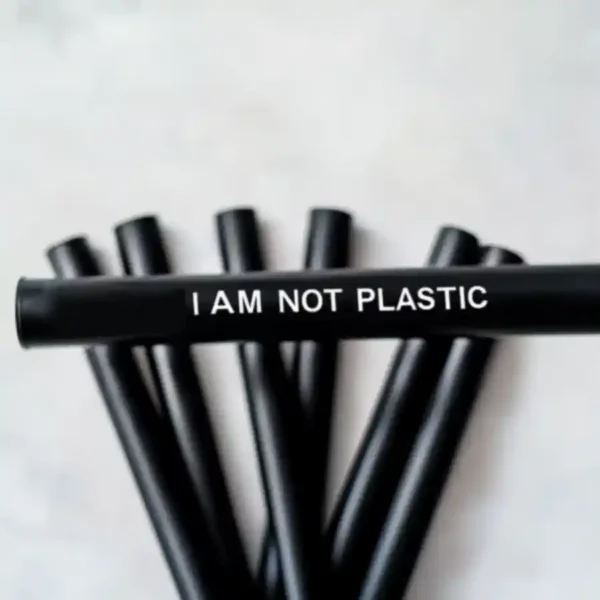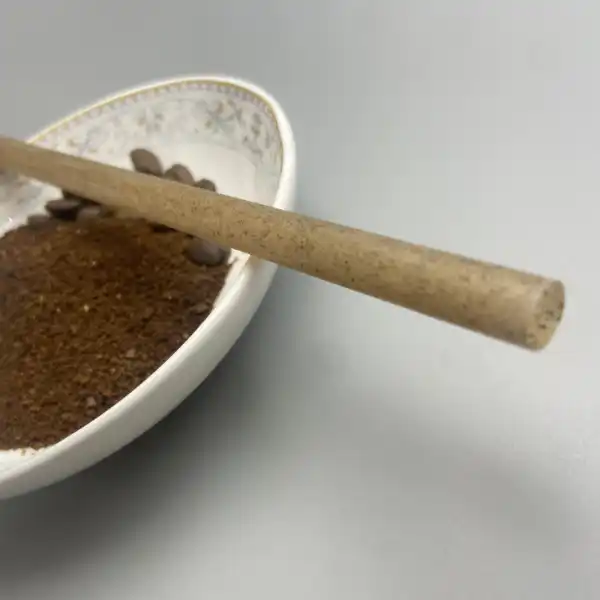

Key Benefits of Switching to Eco-Friendly Straws
- Reduzierte Umweltbelastung: Biologisch abbaubare Strohalternativen zersetzen sich auf natürliche Weise, wodurch die Mikroplastikverschmutzung beseitigt und das Meeresleben geschützt wird. Zuckerrohr- und Weizenstrohhalme zersetzen sich unter geeigneten Kompostierungsbedingungen innerhalb weniger Wochen. Erwägen Sie Lebenszyklusanalysen, um Nachhaltigkeitsnarrative zu stärken.
- Verbesserter Markenruf: Nachhaltig Boba-Strohhalme demonstrate environmental commitment, attracting eco-conscious demographics. Feature these straws prominently in marketing campaigns.
- Einhaltung gesetzlicher Vorschriften: Stay ahead of single-use plastic bans through proactive adoption of alternatives.
- Kosteneffizienz: Reusable stainless steel or glass straws offer long-term savings versus disposable plastics.
Comparing Plastic-Free Straw Materials
1. Papierstrohhalme
- Vorteile: Affordable (€0.02–€0.25), available in multiple designs
- Nachteile: Become soggy; often use unsustainable wood pulp
- Am besten geeignet für: Short-term events needing cost-effective solutions
2. Sugarcane Straws
- Vorteile: Home-compostable, temperature-resistant
- Nachteile: Limited regional availability
- Am besten geeignet für: Zero-waste restaurants with composting partners
3. Bambusstrohhalme
- Vorteile: Natural aesthetic, reusable
- Nachteile: Requires meticulous drying
- Am besten geeignet für: Eco-resorts with rustic branding
4. Stainless Steel & Glas Strohhalme
- Vorteile: Lifetime durability, easy cleaning
- Nachteile: Higher upfront cost (€2–€10)
- Am besten geeignet für: Dine-in cafés offering reuse incentives
5. Silicone Straws
- Vorteile: Flexible, child-safe
- Nachteile: Limited recycling, potential BPA risks
- Am besten geeignet für: Households prioritizing safety

6. PLA (Bioplastic) Straws
Vorteile: Industrial compostability with plastic-like durability
Nachteile: Frequent misidentification as regular plastic
Am besten geeignet für: Large venues needing disposable solutions. Source certified compostable sugarcane straws with clear disposal labels.
Umsetzbare Erkenntnisse für Unternehmen
-
1. Audit Your Needs
Analyze drink types, customer demographics, and waste infrastructure before material selection.
-
2. Source Responsibly
Partner with certified suppliers like #IAMPLASTICFREE for ethical supply chains.
-
3. Educate Customers
Implement training and signage to promote reusable straw adoption and sustainability messaging.

Actionable Insights for Businesses: Optimizing Straw Selection for Sustainability
With a growing segment of the market that actively seeks out businesses with strong ESG (Environmental, Social, and Governance) profiles.
3. Regulatory Compliance:
Many regions are implementing bans or taxes on single-use plastics. Proactive adoption of sustainable alternatives ensures compliance, avoids potential fines, and positions your business for future regulations. Staying ahead of the curve minimizes disruption and demonstrates responsible foresight.
4. Cost Efficiency:
While initial costs may vary, reusable options like stainless steel or glass straws offer significant long-term cost savings compared to constantly purchasing disposable plastic straws. Consider the total cost of ownership, including purchasing, disposal, and potential fines for non-compliance.
Comparing Plastic-Free Straw Materials
1. Paper Straws:
- Vorteile: Affordable (€0.02–€0.25 per unit), widely available in various colors and designs.
- Nachteile: Often become soggy, frequently made from unsustainable wood pulp, and may require significant quantities of water for production.
- Am besten geeignet für: Short-term events or applications where low cost is the primary concern. Consider the environmental impact of sourcing and disposal.
2. Sugarcane Straws:
- Vorteile: Home compostable, withstand hot and cold beverages without softening.
- Nachteile: May be less readily available than paper straws, requiring more robust supply chain management.
- Am besten geeignet für: Restaurants and businesses aiming for zero-waste initiatives and appealing to environmentally conscious customers.
3. Bamboo Straws:
- Vorteile: Natural aesthetic, reusable with proper cleaning.
- Nachteile: Require diligent drying to prevent mold growth, potential splinter risk, and may not be suitable for all beverages.
- Am besten geeignet für: Establishments with a rustic brand image or those targeting a specific niche market that values natural materials.
4. Stainless Steel & Glasstrohhalme:
- Vorteile: Extremely durable (lifelong use), easy to clean, and highly reusable.
- Nachteile: Higher initial cost (€2–€10 per unit), less portable than disposable alternatives.
- Am besten geeignet für: Businesses offering dine-in services, cafes, or those prioritizing long-term sustainability investments.
Häufig gestellte Fragen
5. Silikonstrohhalme: Flexibilität und Sicherheitsaspekte
- Vorteile: Flexibel, sicher für Kinder.
- Nachteile: Mögliche Bedenken hinsichtlich BPA (BPA-Freiheit sicherstellen) und Herausforderungen beim Recycling.
- Am besten geeignet für: Haushalte oder Anwendungen, bei denen Flexibilität und Kindersicherheit im Vordergrund stehen. Eine sorgfältige Abwägung der Beschaffung und verantwortungsvollen Entsorgung ist von entscheidender Bedeutung.
Where Safety Outranks Sustainability in Straw Selection
6. PLA (Bioplastic) Straws
- Vorteile: Imitieren Sie die Haltbarkeit traditioneller Kunststoffe und sind gleichzeitig industriell kompostierbar. Ideal für Großveranstaltungen, bei denen kostengünstige Einwegartikel erforderlich sind.
- Nachteile: Wird oft mit herkömmlichem Kunststoff verwechselt, was zu einer unsachgemäßen Entsorgung führt. Erfordert Kundenschulungsprogramme, um den Nutzen für die Umwelt zu maximieren.
Operational Efficiency Strategies for Straw Implementation
1. Umfassende Bedarfsanalyse
Führen Sie vor der Auswahl von Strohmaterialien Audits zu Getränkearten (heiß vs. kalt), Kundenprofilen und Abfallinfrastruktur durch. High-End-Restaurants bevorzugen möglicherweise Edelstahlstrohhalme, während sich Fast-Casual-Lokale für kompostierbare Optionen entscheiden könnten.
2. Verantwortungsvolle Beschaffungspraktiken
Arbeiten Sie mit zertifizierten Lieferanten wie #IAMPLASTICFREE oder Bambu zusammen, um eine ethische Strohbeschaffung sicherzustellen. Überprüfen Sie Nachhaltigkeitszertifizierungen und fordern Sie eine Dokumentation der Umweltauswirkungen an.
3. Taktiken zur Kundenschulung
Nutzen Sie Beschilderungen („Unsere Zuckerrohrstrohhalme zersetzen sich in 90 Tagen!“), Menübeilagen und soziale Medien, um Nachhaltigkeitsbemühungen zu erläutern. Interaktive Tests können das Engagement steigern.
4. Beschaffungsoptimierung
Negotiate bulk pricing for wheat/reed straws (€0.07–€0.10/unit). Analyze total ownership costs including disposal fees.
5. Waste Management Integration
Align straw materials with local composting/recycling capabilities. Clearly label disposal bins to prevent contamination.
Häufig gestellte Fragen zu nachhaltigen Strohhalmen
Häufig gestellte Fragen
Q: How do I ensure my straws are truly eco-friendly?
A: Look for certifications like OK Compost HOME (for home compostability) and FSC (for sustainably sourced materials). These certifications provide third-party verification of a product’s environmental claims. Without them, “eco-friendly” claims can be misleading.
Q: Are compostable straws more expensive than plastic?
A: While upfront costs are higher (€0.05–€0.25 vs €0.01), reusable options like stainless steel offer long-term savings through reduced repurchasing.
F: Funktionieren biologisch abbaubare Strohhalme in Heißgetränken?
A: Certain heat-resistant biodegradable materials like #IAMPLASTICFREE’s wood-based straws maintain integrity in hot beverages—always check manufacturer specifications.
Q: How do I verify straw eco-friendliness?
A: Require USDA BioPreferred or equivalent certifications. Request full lifecycle documentation from suppliers, including sourcing and disposal protocols.