Zusammenfassung
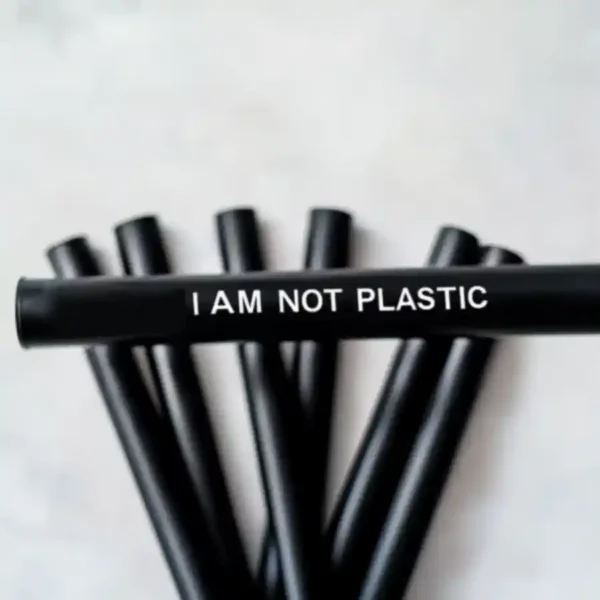
In an era where environmental responsibility is paramount, sugarcane straws are more than just an eco-friendly alternative—they’re a strategic business advantage. Discover how businesses can leverage this sustainable innovation to drive growth, enhance brand value, and lead in environmental stewardship.
The Science Behind Sugarcane Straws
Composition & Herstellung
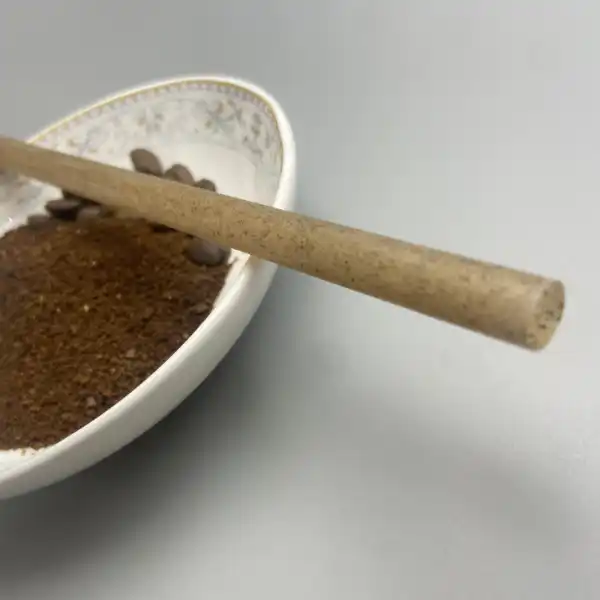
- Derived from bagasse, the waste fiber of sugarcane
- Natural binding agents without synthetic additives
- Heat-resistant up to 200°F (93°C)
- FDA-approved food-safe manufacturing process
Umweltbelastung
- Biologischer Abbau: 60-90 days in commercial composting
- CO2-Fußabdruck: 80% lower than plastic
- Water Usage: 60% less than paper straw production
- Agricultural Sustainability: Annual harvest cycle with minimal irrigation needs

Business Case Analysis
Market Opportunity
- Projected growth of global sustainable packaging market: $305.31 billion by 2027
- 73% of millennials are willing to pay more for sustainable products
- 92% of consumers trust brands that are environmentally conscious
Competitive Advantages
- Cost Structure
- Bulk pricing: $0.03-0.05 per unit (orders >100,000)
- Volume discounts up to 25% for annual contracts
- Tax incentives in select regions
- Einhaltung gesetzlicher Vorschriften
- Meets EU Single-Use Plastics Directive
- Compliant with FDA food contact materials regulations
- Qualifies for green business certifications

Implementierungs-Roadmap
Phase 1: Bewertung & Planung
- Aktuelle Nutzung prüfen
- Calculate current straw consumption
- Analyze peak usage periods
- Document storage requirements
- Stakeholder-Engagement
- Mitarbeiterschulungsprogramme
- Materialien zur Kundenschulung
- Supplier partnership development
Phase 2: Pilotprogramm
- Location Selection
- High-visibility outlets
- Diverse customer demographics
- Various service conditions
- Erfolgskennzahlen
- Kundenzufriedenheitswerte
- Usage durability
- Staff feedback
- Cost per service
Phase 3: Vollständige Implementierung
- Supply-Chain-Integration
- Develop multiple supplier relationships
- Enhance inventory management systems
- Establish quality control protocols
- Marketing Strategy
- Highlight environmental impact statistics
- Initiate social media campaigns
- Provide customer education materials
- Engage in brand storytelling
Industry-Specific Applications
Lebensmittelservice
- Temperature resistance for hot beverages
- Custom sizes for different drink types
- Bulk packaging solutions
Hospitality
- Room service integration
- Pool and beach service
- Event catering packages
Healthcare
- Individual wrapping options
- Sterility maintenance
- Allergen-free certification

ROI Analysis
Quantitative Benefits
        First Year Projections (per 100,000 units):
        - Cost Premium: +$1,200
        - Brand Value Increase: +$5,000
        - Customer Retention: +4%
        - New Customer Acquisition: +7%
        Net Benefit: $8,800
Qualitative Benefits
- Enhanced brand perception
- Improved employee satisfaction
- Zukunftssicherer Betrieb
- Leadership in the industry
Best Practices & Qualitätskontrolle
Storage Guidelines
- Temperature: 60-75°F (15-24°C)
- Humidity: 45-55%
- Haltbarkeit: 24 Monate
- Rotation protocols
Quality Metrics
- Structural integrity tests
- Moisture resistance
- Hitzetoleranz
- User experience scoring
Future Outlook
Innovationspipeline
- Smart packaging integration
- Enhanced durability coatings
- Custom branding options
- Size customization
Market Trends
- Increasing regulatory pressure
- Growing consumer awareness
- Expanding application areas
- Technology improvements
Ressourcen & Unterstützung
Certification Bodies
- Biodegradable Products Institute (BPI)
- TÜV Austria
- ASTM International
Industry Networks
- Sustainable Packaging Coalition
- Bio-based Industries Consortium
- Global Sustainable Enterprise Network
Abschluss
Embracing sugarcane straws isn’t just a positive environmental choice—it’s a strategic business decision. This positions organizations at the forefront of sustainability, bringing tangible operational benefits. With careful implementation and strategic messaging, businesses can transform this simple change into a powerful driver of growth and brand value.