Einführung
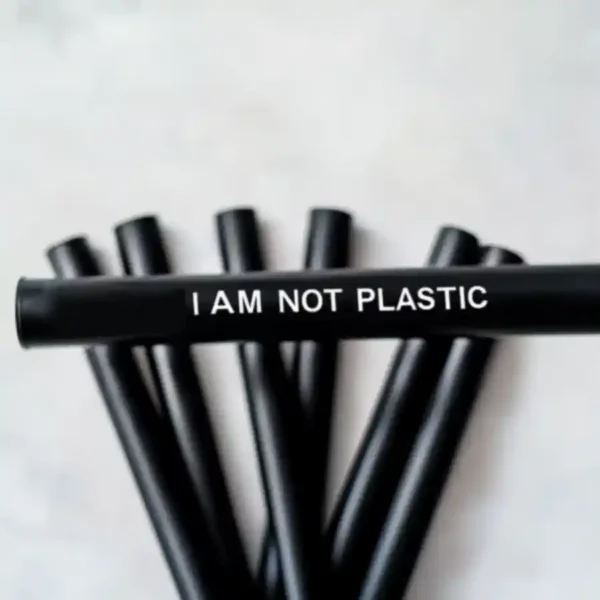
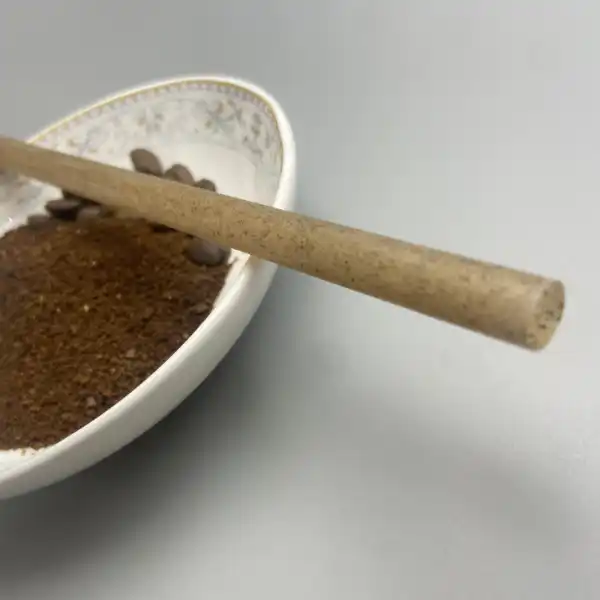
Biokunststoffe entwickeln sich zu einem Leuchtturm der Nachhaltigkeit in einer Zeit, die zunehmend von Umweltbewusstsein geprägt ist. Diese aus erneuerbaren Quellen wie Maisstärke, Zuckerrohr und Zellulose gewonnenen Materialien stellen eine umweltfreundlichere Alternative zu herkömmlichen Kunststoffen dar, die typischerweise aus erdölbasierten Polymeren hergestellt werden. Die Bedeutung von Biokunststoffen wird in unserem globalen Bestreben, den CO2-Fußabdruck zu reduzieren, die Abhängigkeit von endlichen Ressourcen zu minimieren und die gewaltige Herausforderung der Plastikverschmutzung zu bewältigen, noch verstärkt. Im Gegensatz zu ihren herkömmlichen Gegenstücken bieten Biokunststoffe das Potenzial für eine geringere Umweltbelastung, da sie biologisch abbaubar oder kompostierbar sind und so zu einer stärker kreislauforientierten Wirtschaft und einem gesünderen Planeten beitragen. Dieser grundlegende Wandel bei der Materialbeschaffung und den Optionen für das Ende der Lebensdauer verdeutlicht die wesentlichen Unterschiede zwischen Biokunststoffen und herkömmlichen Kunststoffen und markiert einen entscheidenden Schritt in Richtung einer nachhaltigeren Zukunft.

Definition von Biokunststoffen
Biokunststoffe, eine entscheidende Innovation im Bereich nachhaltiger Materialien, zeichnen sich dadurch aus, dass sie aus erneuerbaren Ressourcen wie Pflanzen oder Bioabfällen und nicht aus herkömmlichem Erdöl stammen. Diese Kategorie von Kunststoffen ist vielfältig und umfasst je nach ihren Eigenschaften und Herkunft mehrere Arten. Biologisch abbaubare Biokunststoffe können unter bestimmten Bedingungen auf natürliche Weise in Wasser, Kohlendioxid und Biomasse zerfallen und bieten so eine Lösung für die Abfallansammlung. Nicht biologisch abbaubare Biokunststoffe sind zwar nicht auf natürliche Weise abbaubar, stammen aber aus erneuerbaren Quellen und tragen dazu bei, die Abhängigkeit von fossilen Brennstoffen zu verringern. Schließlich zeichnen sich biobasierte Biokunststoffe durch ihren biologischen Ursprung aus, unabhängig von ihrer biologischen Abbaubarkeit am Ende ihrer Lebensdauer. Diese Unterscheidung zwischen Biokunststoffen unterstreicht ihre Vielseitigkeit und ihr Potenzial, sich an verschiedene Umweltziele anzupassen, und stellt eine deutliche Abkehr von herkömmlichen Kunststoffmaterialien dar.

Der Produktionsprozess von Biokunststoffen
Der Produktionsprozess von Biokunststoffen stellt eine deutliche Abkehr vom traditionellen Paradigma der Kunststoffherstellung dar. Biokunststoffe stammen aus nachhaltigen Quellen wie Maisstärke, Zuckerrohr und Zellulose und verkörpern einen Wandel hin zur Nutzung erneuerbarer Ressourcen, die nachwachsen und wieder aufgefüllt werden können, wodurch die Abhängigkeit von endlichen fossilen Brennstoffen verringert wird. Dieser Prozess beginnt typischerweise mit der Ernte dieser biologischen Materialien, die dann verarbeitet und in Polymere umgewandelt werden, die zu verschiedenen Produkten geformt werden können und die Vielseitigkeit herkömmlicher Kunststoffe widerspiegeln.

Der ökologische Fußabdruck der Biokunststoffproduktion ist jedoch Gegenstand einer laufenden Bewertung. Während der Einsatz erneuerbarer Ressourcen ein klarer Vorteil ist, hängt die Gesamtnachhaltigkeit von Biokunststoffen auch von Faktoren wie dem Energieverbrauch bei der Produktion und der Effizienz der Ressourcenanbau- und -gewinnungsprozesse ab. Im Allgemeinen hat die Herstellung von Biokunststoffen im Vergleich zu herkömmlichen Kunststoffen tendenziell geringere Auswirkungen auf die Umwelt, insbesondere im Hinblick auf Treibhausgasemissionen und Energieverbrauch, da die bei der Herstellung von Biokunststoffen verwendeten Pflanzen während ihres Wachstums CO2 absorbieren. Es ist jedoch von entscheidender Bedeutung, den gesamten Lebenszyklus der Biokunststoffe zu berücksichtigen, von der Ressourcengewinnung über das Produktlebensende bis hin zur vollständigen
understand their environmental benefits and challenges.
Arten und Anwendungen von Biokunststoffen
Bioplastics, a groundbreaking category of materials, are diversified into various types, each with unique properties and applications. Among them, PLA (Polylactic Acid) and PHA (Polyhydroxyalkanoates) stand out due to their distinct characteristics and widespread use. PLA, derived from corn starch or sugarcane, is notable for its rigidity and clarity, making it an ideal candidate for packaging solutions, disposable tableware, and even 3D printing filaments. On the other hand, PHA, produced by microbial fermentation of sugar or lipids, boasts biodegradability in marine environments and is used in medical applications, such as sutures and tissue engineering, as well as in agricultural films.
The versatility of bioplastics extends into various industries, demonstrating their adaptability and potential to replace conventional plastics. In the automotive sector, bioplastics are employed to manufacture parts, reducing vehicle weight and enhancing fuel efficiency. The packaging industry benefits from bioplastics’ biodegradability, offering a solution to reduce waste in food packaging and single-use items. Even in the realm of electronics, bioplastics are making their mark, providing sustainable alternatives for casings and components. This wide array of applications underscores bioplastics’ role in driving the transition towards more sustainable material choices across diverse sectors.

Vorteile von Biokunststoffen
The adoption of bioplastics brings a plethora of environmental benefits, pivotal in our journey towards a more sustainable future. One of the most significant advantages is the reduction in carbon footprint. Unlike traditional plastics, which are derived from fossil fuels, bioplastics are sourced from renewable resources, absorbing carbon dioxide as they grow. This cycle substantially lowers the net emission of carbon dioxide, contributing to the global effort to combat climate change.
Moreover, the shift towards bioplastics means a decreased reliance on finite fossil resources, aligning with the broader goal of sustainable resource utilization. This transition not only helps in conserving these precious resources but also reduces the environmental degradation associated with their extraction and processing.
Biologische Abbaubarkeit und Kompostierbarkeit sind bemerkenswerte Eigenschaften bestimmter Biokunststoffe. Bei ordnungsgemäßer Entsorgung können diese Materialien in natürliche Substanzen zerfallen und in das Ökosystem zurückkehren, ohne schädliche Rückstände zu hinterlassen. Diese Eigenschaft mildert das Problem des hartnäckigen Plastikmülls erheblich und geht damit auf eine der drängendsten Umweltherausforderungen unserer Zeit ein. Durch die Integration von Biokunststoffen in unser tägliches Leben nutzen wir nicht nur Materialien, die schonender für unseren Planeten sind, sondern tragen auch zu einer Kreislaufwirtschaft bei, in der Abfall minimiert und Ressourcen kontinuierlich wiederverwendet werden.

Herausforderungen und Einschränkungen
Obwohl Biokunststoffe einen vielversprechenden Weg zur ökologischen Nachhaltigkeit bieten, bringen sie eine Reihe von Herausforderungen und Einschränkungen mit sich, die sorgfältig geprüft werden müssen. Die Herstellung von Biokunststoffen kann teurer sein als die von herkömmlichen Kunststoffen, vor allem aufgrund der Kosten, die mit dem Anbau und der Verarbeitung der benötigten biologischen Materialien verbunden sind. Dieser Kostenfaktor kann ein erhebliches Hindernis für eine breite Akzeptanz und Wettbewerbsfähigkeit auf dem Markt sein.
Performance issues also pose a challenge, as some bioplastics may not offer the same strength or durability as their petroleum-based counterparts, limiting their application in certain industries. Furthermore, the recycling processes for bioplastics are complex and not as well-established, which can lead to confusion among consumers and inefficiencies in waste management.
Moreover, there are misconceptions about the environmental benefits of bioplastics. While they do offer advantages such as reduced carbon footprints and potential biodegradability, it’s crucial to understand that not all bioplastics are created equal. Some may require specific conditions to break down effectively and could still contribute to pollution if not managed properly. Understanding these nuances is essential to harness the full potential of bioplastics and to ensure that their adoption genuinely contributes to a more sustainable future.

Die Zukunft von Biokunststoffen
The horizon for bioplastics looks promising, teeming with potential for growth and development. As we delve deeper into this century, the trajectory of bioplastics is poised to ascend, driven by continuous innovation and an escalating commitment to sustainability. The coming years are likely to witness enhanced research focusing on improving the efficiency, performance, and economic viability of bioplastics, propelling them toward broader adoption across various sectors.
Encouraging innovation in this field is crucial, as it holds the key to overcoming existing challenges and unlocking the full environmental potential of bioplastics. Researchers and manufacturers are spurred to explore novel materials and processes that can reduce production costs, enhance material properties, and simplify recycling or composting methods. Such advancements could significantly increase the competitiveness of bioplastics, making them an attractive, sustainable choice for a wider range of applications.
The future of bioplastics is not just about the materials themselves but also about fostering a comprehensive ecosystem that supports their lifecycle — from production to disposal. As we venture further into this domain, the collective efforts in research, policy-making, and consumer behavior will shape a more sustainable future, with bioplastics playing a pivotal role in our material landscape.

Abschluss
In conclusion, bioplastics represent a pivotal shift towards a more sustainable future, offering a promising alternative to traditional petroleum-based plastics. Throughout this blog, we’ve explored the definition, production, and various types of bioplastics, highlighting their potential to reduce carbon footprints and dependence on fossil fuels. We’ve delved into their benefits, such as biodegradability and compostability, while also acknowledging the challenges they face, including production costs and recycling complexities.

The journey of bioplastics is not without its hurdles, yet the path is illuminated by the potential for innovation and further research to enhance their sustainability and applicability. As we stand at the cusp of a materials revolution, it’s imperative for each of us to reflect on our material choices and consider the broader implications of our consumption habits.
By advocating for and supporting the advancement of bioplastic technologies, we can collectively foster a more sustainable world. The future of bioplastics is not just in the hands of scientists and industry leaders; it’s a shared responsibility that beckons us all to contribute towards a greener, more resilient planet. Let’s embrace this opportunity to redefine our material landscape and move steadfastly towards a future where sustainability is woven into the fabric of our daily lives.