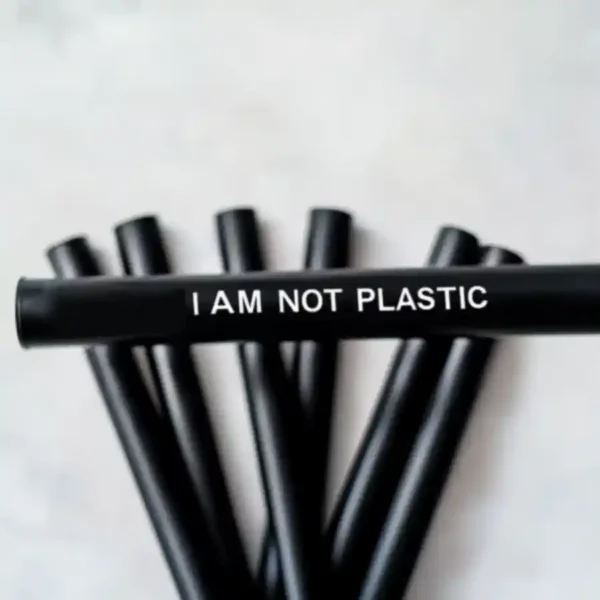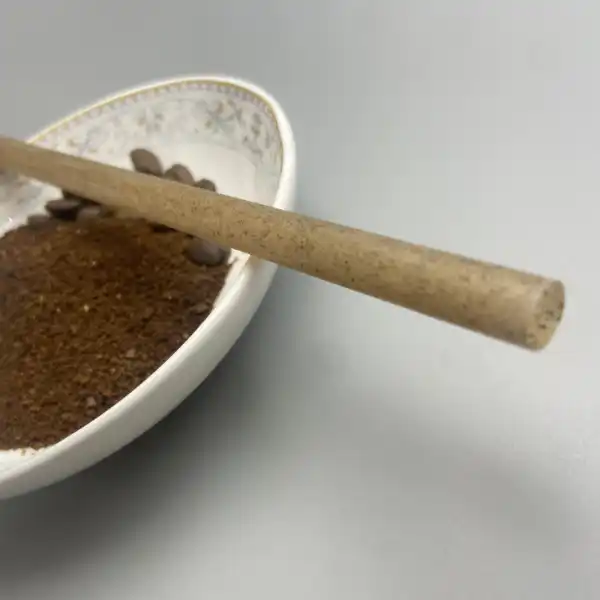

Why Choose Compostable Straws?
- Umweltauswirkungen: Plastic straws take 200+ years to decompose, while compostable options break down in 3-6 months, cutting landfill waste.
- Consumer Demand: 67% of consumers prefer sustainable brands (2024 Nielsen Survey), boosting loyalty.
- Einhaltung gesetzlicher Vorschriften: Avoid fines as plastic bans grow globally.
- Markenimage: Eco-friendly practices enhance trust and attract eco-conscious customers.
Arten kompostierbarer Strohhalme
Explore the best options for your business:
- Zuckerrohrstrohhalme: Home-compostable, durable for smoothies and boba. Learn more.


- Papierstrohhalme: Affordable (€0.02–€0.25), best for cold drinks but less durable.

- PLA-Strohhalme: Industrial compostable, mimics plastic durability.
- Bamboo/Wheat Straws: Reusable, ideal for premium settings.
| Strohtyp | Kompostabilität | Haltbarkeit | Am besten für | Cost (€/unit) |
|---|---|---|---|---|
| Zuckerrohr | Home/Industrial | High (24+ hrs) | Smoothies, Boba | 0.03-0.07 |
| Papier | Industriell | Niedrig | Kalte Getränke | 0.02-0.25 |
| PLA | Industriell | Medium | Various | 0.05-0.10 |
| Bamboo/Wheat | N/A (Reusable) | Hoch | Dine-in | 0.50-1.00 |
Step-by-Step Transition Plan
Follow these actionable steps:
- Assess Usage: Audit monthly straw consumption (e.g., 5,000 units) to plan bulk orders.
- Choose Straws: Match drink types to materials—sugarcane for smoothies, paper for juices.
- Source Suppliers: Partner with certified vendors for bulk discounts (e.g., $0.056/unit for 10,000+).
- Zugpersonal: Educate on disposal and customer communication (e.g., “Our straws compost in 60-90 days”).
- Informieren Sie Ihre Kunden: Use signage and QR codes linking to sustainability info.
- Phase Out Plastic: Gradually replace plastic, monitoring feedback.
- Composting Setup:Arrange industrial composting or provide home kits.

Herausforderungen meistern
Kostenmanagement
While compostable straws cost 10-20% more upfront, savings on waste fees (20-30%) and tax credits in 31 U.S. states offset expenses (2024 EcoTax Guide).
Qualitätssicherung
Test straws for 24-hour durability in hot/cold drinks to ensure customer satisfaction.
Über den Autor
Max Jiang, Sustainability Expert at NatureBioEco, brings 10+ years of experience in eco-friendly solutions.
Häufig gestellte Fragen
How durable are compostable straws?
Sugarcane straws last 24+ hours in beverages, ideal for thick drinks like smoothies.
What disposal options are available?
Partner with industrial composters or offer home composting kits for customers.
Are there tax benefits for switching?
Yes, 31 U.S. states offer tax credits for compostable products (2024 EcoTax Guide).
How much can businesses save?
Savings of 20-30% on waste costs are typical with bulk orders and tax incentives.
Why do compostable straws boost retention?
78% of consumers prefer eco-friendly brands, increasing loyalty (2023 Nielsen Report).