Exploring the Downsides: The Cons of Sugarcane Straws
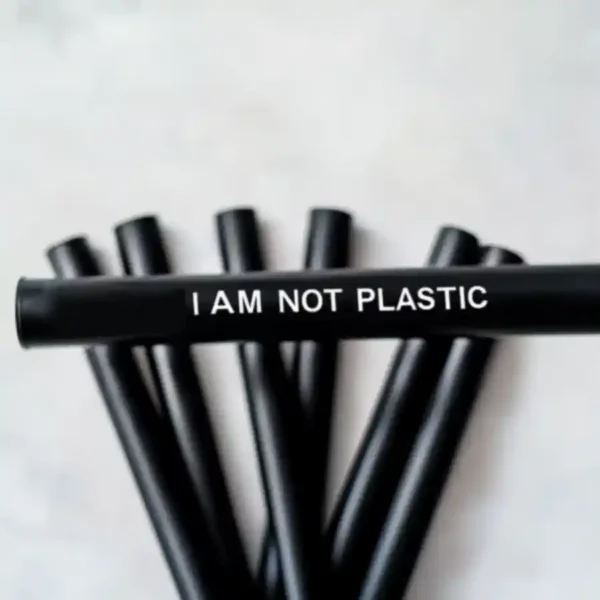
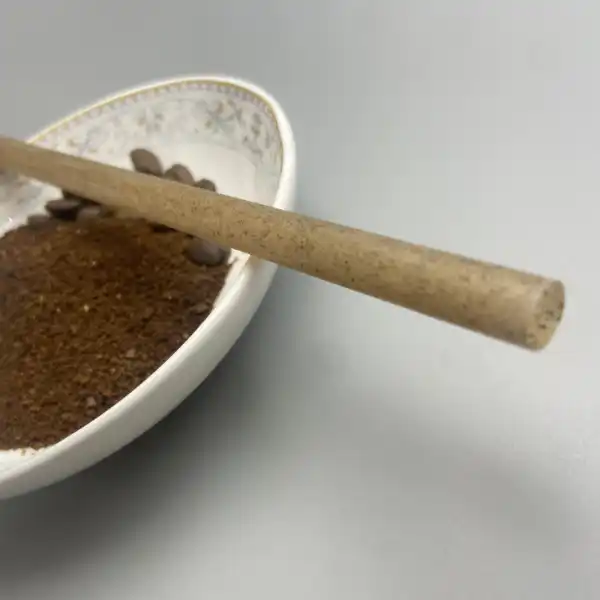
As the world edges towards more sustainable alternatives in every facet of life, sugarcane straws have emerged as an eco-friendly alternative to plastic. However, like any product, they come with their own set of drawbacks. This article explores the cons of sugarcane straws.
Understanding Sugarcane Straws: An Introduction
Sugarcane straws are made from the pulp of sugarcane, a renewable resource. They are touted as a biodegradable and compostable alternative to plastic straws, but they are not without their problems. Related Topic One discusses this in more detail.
The Environmental Impact of Sugarcane Straws
While they’re indeed biodegradable, the process of producing sugarcane straws can be quite taxing on the environment. The cultivation of sugarcane requires large amounts of water and often involves the use of harmful pesticides.
Sugarcane Straws and Sustainability: A Misunderstood Relationship
Despite being marketed as sustainable, the reality is more complex. The sustainability of sugarcane straws depends on several factors, including the practices used in sugarcane cultivation and the methods used to convert the raw material into straws.
The Hidden Costs of Producing Sugarcane Straws
Beyond the environmental impact, there are also economic costs to consider. The production cost of sugarcane straws is substantially higher than their plastic counterparts. This Externe Ressource Eins explains the economics of sugarcane straw production.
Quality Concerns: The Durability of Sugarcane Straws
While sugarcane straws are sturdy enough for a single use, they lack the durability of plastic straws. They tend to get soggy after prolonged use, which can affect the user experience.
Sugarcane Straws: A Threat to Biodiversity?
The cultivation of sugarcane can lead to soil degradation and loss of biodiversity. These issues are further elaborated in Verwandtes Thema Zwei.
The Health Risks Associated with Sugarcane Straws
Mit Zuckerrohrstrohhalmen sind auch potenzielle Gesundheitsrisiken verbunden. Pestizide, die beim Zuckerrohranbau verwendet werden, können möglicherweise auf den Strohhalmen zurückbleiben und ein Gesundheitsrisiko für die Benutzer darstellen.
Convenience Versus Eco-friendliness: The Practicality of Using Sugarcane Straws
Obwohl Zuckerrohrstrohhalme eine umweltfreundlichere Option sind, sind sie nicht so praktisch wie Plastikstrohhalme. Sie erfordern besondere Lagerbedingungen und haben eine kürzere Haltbarkeit.
The Commercial Drawbacks of Sugarcane Straws
Die höheren Produktionskosten und die kürzere Haltbarkeit von Zuckerrohrstrohhalmen machen sie für Unternehmen weniger attraktiv. Das Externe Ressource Zwei untersucht die kommerziellen Auswirkungen von Zuckerrohrstrohhalmen.
Are Sugarcane Straws Really the Answer to Plastic Pollution?
Obwohl Zuckerrohrstrohhalme eine umweltfreundlichere Alternative darstellen, sind sie kein Allheilmittel für die Plastikverschmutzungskrise. Es ist ein umfassenderer Ansatz erforderlich, der Reduzierung, Wiederverwendung und Recycling umfasst.
Re-thinking the Alternatives: Other Eco-friendly Straw Options
Angesichts der Nachteile von Zuckerrohrstrohhalmen lohnt es sich, andere umweltfreundliche Alternativen wie Bambus-, Edelstahl- und Glasstrohhalme in Betracht zu ziehen.
Conclusion: Weighing the Pros and Cons of Sugarcane Straws
Während Zuckerrohrstrohhalme ein Schritt in die richtige Richtung sind, ist es wichtig, ihre Nachteile zu bedenken, bevor man einen Umstieg wagt. Dies wird uns helfen, bessere und fundiertere Entscheidungen über unsere Entscheidungen und deren Auswirkungen auf die Umwelt zu treffen.