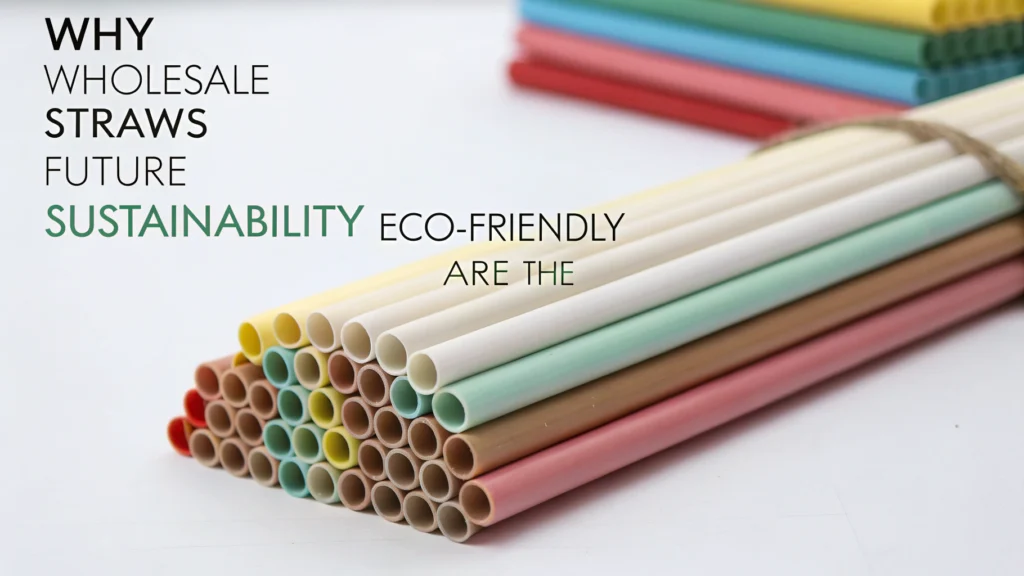
Einleitung: Eine neue Ära der Nachhaltigkeit
In an era where environmental consciousness defines business success, the humble straw has become a symbol of transformative change. With over 8.3 billion metric tons of plastic waste produced globally since the 1950s, and only 9% recycled, businesses are at a critical juncture. Wholesale eco-friendly straws offer not just an alternative to plastic but a strategic solution to align environmental responsibility with operational efficiency.
This blog delves into why wholesale eco-friendly straws are integral to sustainability initiatives, exploring their financial, environmental, and operational advantages.
1. Der globale Vorstoß nach nachhaltigen Alternativen
Consumer Demand for Sustainability
- Über 70 % of global consumers prefer sustainable products and are willing to pay a premium for them.
– Businesses adopting eco-friendly practices gain loyalty and trust, key to long-term competitiveness.
Regulatory Pressures
– Governments worldwide are enforcing bans on single-use plastics:
- Der europäische Union’s sweeping plastic ban.
- State-level restrictions in the United States.
- Asia-Pacific’s campaigns targeting reduced plastic consumption.
These regulations compel businesses to transition to sustainable products like eco-friendly straws.
2. Umweltauswirkungen von Einwegkunststoffen
The Plastic Pollution Crisis
- Plastikstrohhalme können vertragen 200 Jahre zersetzen.
- Over 700 marine species face threats from plastic waste, significantly harming ecosystems.
- Plastic straws contribute heavily to the 11 million metric tons of plastic entering oceans annually.
Eco-Friendly Straws as a Viable Solution
Benefits of compostable and biodegradable materials such as sugarcane fiber, coffee grounds, PLA, and bamboo:
- They are compostable or biodegradable.
- Reduce landfill waste.
- Promote marine life protection.

 3. Finanzielle und betriebliche Vorteile des Kaufs umweltfreundlicher Strohhalme im Großhandel
Cost Advantages
- Bulk purchasing reduces per-unit costs by 40-60%.
- Consolidated logistics lower transportation expenses and environmental impact.
Operational Efficiencies
- Ensures consistent supply for high-demand industries like foodservice and hospitality.
- Reduces the risk of stockouts, allowing businesses to maintain smooth operations.
Fallstudie
A regional restaurant chain achieved 30% annual cost savings by switching to sugarcane fiber straws through wholesale purchasing.
4. Materialoptionen und ihre einzigartigen Vorteile
Zuckerrohrfaser
Vorteile: Compostable, durable, and heat-resistant.
Am besten für: High-volume use in cafes, restaurants, and bars.
Kaffeesatz
Vorteile: Upcycled material with a premium aesthetic and heat resistance.
Am besten für: Eco-conscious businesses seeking innovative solutions.
PLA
Vorteile: Biodegradable, suitable for industrial composting.
Am besten für: Regions with advanced composting infrastructure.
Bambus
Vorteile: Reusable and ideal for high-end, luxury dining experiences.
Am besten für: Hotels, resorts, and premium establishments.
5. Innovationen in der umweltfreundlichen Strohtechnologie
- Emerging Material Trends: Innovations in algae-based and wheat-stalk straws.
- Anpassungsmöglichkeiten: Businesses can incorporate branding directly on eco-friendly straws.
- Advanced Manufacturing: Enhancements in compostability and durability for broader applications.
6. So wählen Sie den richtigen Lieferanten aus
Key Criteria for Supplier Selection
- Certifications: Look for BPI, USDA Biopreferred, and ISO 14001 certifications.
- Transparency: Partner with suppliers offering detailed sustainability reports.
- Diverse Product Range: Ensure availability of various materials and customization options.
Why Partner with NatureBioEco?
NatureBioEco provides:
- Certified, high-quality eco-friendly straws.
- Competitive wholesale pricing.
- Global shipping solutions tailored to your business needs.
7. Auf allgemeine Bedenken eingehen
Cost Misconceptions
Contrary to popular belief, eco-friendly straws can reduce long-term costs through waste management savings and enhanced customer loyalty.
Haltbarkeit
Modern eco-friendly straws, such as sugarcane fiber and coffee grounds, are engineered to maintain structural integrity in hot and cold beverages.
Kompostabilität
Educate customers on the differences between home-compostable and industrial-compostable straws to ensure proper disposal practices.
8. Transformative Fallstudien
- Hospitality Industry: A global hotel chain reduced plastic waste by 45% by adopting bamboo straws across their dining services.
- Food Delivery and Takeaway: A food delivery service boosted customer satisfaction by offering individually wrapped compostable straws with orders.
- Event Management: A music festival reduced its carbon footprint by 30 % by using compostable sugarcane fiber straws for all beverages.
9. Das große Ganze: Strohhalme im Großhandel und die Kreislaufwirtschaft
- Contribution to Sustainability Goals: Eco-friendly straws align with global initiatives like the United Nations Sustainable Development Goals (SDGs), particularly SDG 12 (Responsible Consumption and Production).
- CO2 -Fußabdruckreduzierung: Bulk purchasing minimizes emissions from packaging and transportation while promoting efficient resource utilization.
- Community and Economic Impact: Supporting local manufacturers of eco-friendly straws fosters community growth and promotes ethical sourcing.
10. Umsetzbare Erkenntnisse für Unternehmen
Step-by-Step Guide to Transition
- Assess current straw usage and identify sustainable alternatives.
- Partner with certified suppliers like NatureBioEco.
- Train employees on handling and disposing of compostable straws.
- Promote your transition through marketing campaigns.
Checklist for Wholesale Orders
- Material suitability for your business.
- Supplier certifications and reliability.
- Bulk pricing structures and delivery timelines.