
Introducción
En una era de mayor conciencia ambiental, las empresas buscan cada vez más alternativas sostenibles a los productos plásticos tradicionales. Las pajitas biodegradables han surgido como una solución crucial en la búsqueda de la industria de servicios alimentarios para reducir los desechos plásticos y promover la responsabilidad ecológica. Esta guía ofrece un análisis en profundidad de los materiales de paja biodegradables, su impacto ambiental y estrategias para que las empresas tomen decisiones informadas que se alineen con sus objetivos de sostenibilidad.
Como consultor de sostenibilidad con más de una década de experiencia en la industria de servicios alimentarios, he sido testigo de primera mano del impacto transformador de las pajitas biodegradables tanto en las empresas como en el medio ambiente. Esta guía se basa en mi amplia experiencia de campo y las últimas investigaciones para brindarle información útil.
El imperativo de las pajitas biodegradables
La urgencia de pasar a pajitas biodegradables se ve subrayada por la alarmante crisis medioambiental provocada por los plásticos de un solo uso. Un informe histórico de la Fundación Ellen MacArthur proyecta que para 2050 podría haber más plástico que peces en los océanos del mundo si persisten las tendencias actuales. Fuente. Las pajitas biodegradables ofrecen una solución viable e inmediata a este problema apremiante.
Beneficios ambientales clave
Comprender las ventajas ambientales de las pajitas biodegradables es crucial para los consumidores y las empresas que desean tomar decisiones ecológicas.
- Reducción de la contaminación plástica: Las pajitas biodegradables se descomponen de forma natural, lo que reduce significativamente la acumulación de residuos plásticos en vertederos y océanos. En una reciente limpieza de playas en la que participé, recolectamos más de 5.000 pajitas de plástico en solo un día, un claro recordatorio de la magnitud de este problema.
- Menor huella de carbono: La producción de pajitas biodegradables suele requerir menos energía y emite menos gases de efecto invernadero en comparación con la fabricación tradicional de plástico. Un estudio de 2019 en Nature encontró que la producción de pajitas biodegradables puede reducir las emisiones de carbono hasta en un 80%. Fuente.
- Conservación de recursos: Muchas pajitas biodegradables están hechas de recursos renovables, lo que promueve la gestión sostenible de los recursos. Este cambio no sólo reduce la dependencia de los combustibles fósiles sino que también respalda las economías agrícolas.
Estos beneficios resaltan la importancia de la transición hacia materiales más sostenibles en nuestros productos de uso diario.
Análisis completo de materiales de paja biodegradables
Pajitas de caña de azúcar (bagazo)
Las pajitas de caña de azúcar, elaboradas a partir del subproducto fibroso del procesamiento de la caña de azúcar, ofrecen una alternativa robusta y ecológica a las pajitas de plástico.
Ventajas:
- Naturalmente biodegradable y compostable
- Resistente al calor hasta 100°C (212°F)
- Adecuado tanto para bebidas frías como calientes
Consideraciones:
- Puede impartir un ligero sabor a las bebidas.
- Vida útil limitada en comparación con las pajitas de plástico.
Un estudio innovador realizado por la Universidad de Georgia encontró que las pajitas de caña de azúcar se descomponen completamente en 180 días tanto en el suelo como en el ambiente marino. Fuente. Esta rápida tasa de descomposición los convierte en una excelente opción para empresas que operan en zonas costeras o con clientes preocupados por el medio ambiente.
Pajitas ecológicas: una inmersión profunda en el PLA
Entendiendo las pajitas de PLA
A medida que el mundo avanza hacia soluciones más sostenibles, las pajitas de PLA (ácido poliláctico) emergen como una alternativa prometedora. Estas pajitas están hechas de recursos renovables como almidón de maíz o caña de azúcar, lo que presenta una solución ecológica que no sacrifica la calidad ni la estética.
2. Pajitas de PLA (ácido poliláctico)
Las pajitas de PLA, derivadas de recursos renovables como el almidón de maíz o la caña de azúcar, ofrecen una alternativa visualmente atractiva al plástico tradicional.
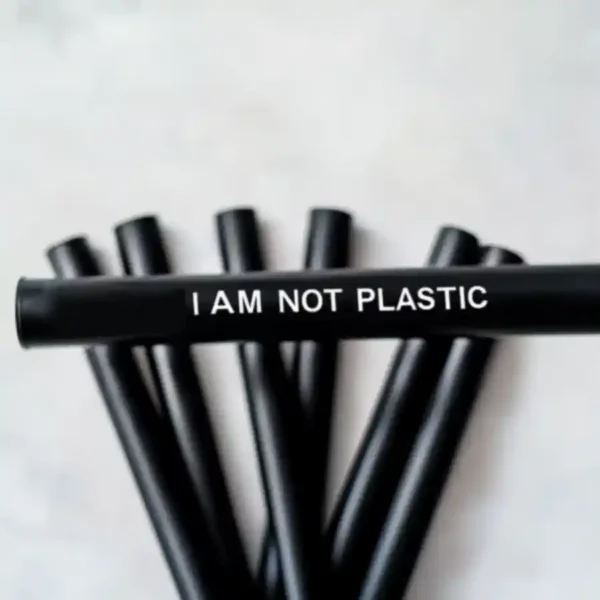
Pajita de caña de azúcar envuelta para batidos 8mm 210mm
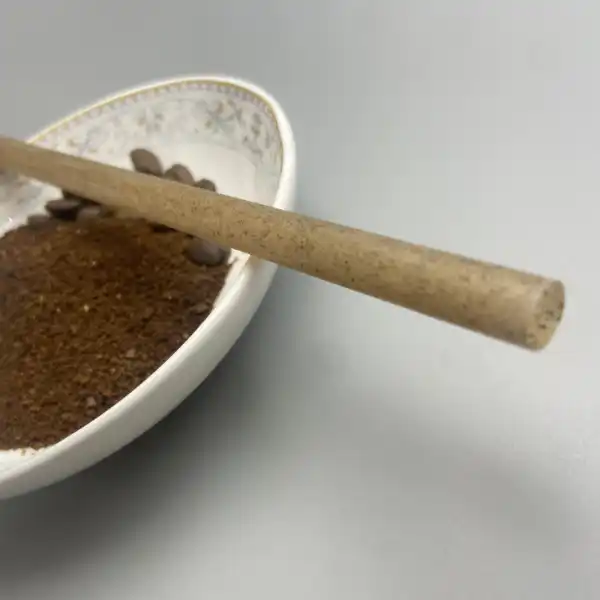
Pajita de café molido batido envuelta individualmente 8 mm 140 mm
Beneficios clave de las pajitas de PLA
Ventajas:
- Totalmente compostable en instalaciones industriales
- Aspecto claro similar al plástico tradicional.
- Apto para bebidas frías
Consideraciones importantes para las pajitas de PLA
Consideraciones:
- Requiere condiciones específicas de compostaje.
- No apto para bebidas calientes debido a su baja resistencia al calor.
A la luz de estudios recientes, se ha descubierto que las pajitas de PLA pueden descomponerse en un plazo de 3 a 6 meses en instalaciones de compostaje industrial, una mejora significativa con respecto a los siglos que tarda el plástico tradicional en descomponerse. Un estudio publicado en una reconocida revista científica respalda esta afirmación, destacando la eficiencia del PLA en instalaciones adecuadas Fuente. Es esencial comprender que la biodegradación eficaz de las pajitas de PLA requiere condiciones específicas que pueden no estar disponibles universalmente.
3. Pajitas de paja de trigo
Ventajas:
- Totalmente biodegradable y compostable
- Sin gluten y seguro para personas con alergia al trigo.
- Durable y adecuado para bebidas espesas.
Consideraciones:
- Puede tener un ligero aroma a trigo.
- Disponibilidad limitada en comparación con otras opciones.
Una evaluación del ciclo de vida realizada por la Universidad de Columbia Británica encontró que las pajitas de trigo tienen un impacto ambiental un 65% menor en comparación con las pajitas de plástico. Fuente. Esta importante reducción los convierte en una opción atractiva para las empresas que buscan generar un impacto ambiental sustancial.
4. Pajitas de papel
Si bien no son estrictamente biodegradables, las pajitas de papel a menudo se consideran una alternativa ecológica debido a su rápida descomposición.
Ventajas:
- Ampliamente disponible y rentable
- Se descompone rápidamente en diversos ambientes.
Consideraciones:
- Puede empaparse rápidamente
- Puede no ser adecuado para todos los tipos de bebidas.
Un estudio publicado en el Journal of Cleaner Production encontró que las pajitas de papel tienen una huella de carbono un 50% menor en comparación con las pajitas de plástico durante su ciclo de vida. Fuente. Sin embargo, según mi experiencia trabajando en cafeterías y restaurantes, la satisfacción del cliente con las pajitas de papel puede ser mixta debido a su tendencia a empaparse rápidamente.
Estudio de caso: el enfoque innovador de NatureBioEco
Innovaciones clave:
- Pajitas de café molido: Utilizando posos de café, NatureBioEco ha desarrollado pajitas que no solo reducen el desperdicio sino que también añaden un sutil aroma a café a las bebidas. Esta innovación ha sido particularmente popular entre las cafeterías que buscan mejorar sus credenciales de sostenibilidad.
- Materiales híbridos: Al combinar fibras de caña de azúcar con PLA, NatureBioEco ha creado pajitas que ofrecen la durabilidad del plástico con la biodegradabilidad de los materiales naturales. Este enfoque híbrido aborda muchas de las preocupaciones que tienen las empresas sobre el rendimiento de las pajitas biodegradables.
- Soluciones personalizables: NatureBioEco trabaja en estrecha colaboración con empresas para desarrollar soluciones de paja personalizadas que satisfagan necesidades específicas manteniendo la integridad ambiental. Este enfoque personalizado ha sido particularmente exitoso en la industria hotelera, donde la marca única y la experiencia del cliente son primordiales.
Una asociación reciente con una importante cadena internacional de café resultó en una reducción del 30% en los desechos plásticos durante el primer año de implementación, lo que demuestra el impacto tangible de los productos de NatureBioEco. Fuente. Esta historia de éxito destaca el potencial de un impacto ambiental significativo cuando las empresas se comprometen con prácticas sostenibles.
Conclusión
A medida que el mercado de pajitas biodegradables continúa evolucionando, la investigación y el desarrollo en curso probablemente producirán soluciones aún más avanzadas y ecológicas. Las empresas que adopten estas alternativas sostenibles ahora estarán bien posicionadas para liderar en un mercado cada vez más consciente del medio ambiente.
En mi experiencia, las transiciones más exitosas a pajitas biodegradables ocurren cuando las empresas ven este cambio no solo como una medida de cumplimiento, sino como una oportunidad para mejorar su marca e interactuar con los clientes en cuestiones ambientales. Al educar al personal y a los clientes sobre la importancia de este cambio, las empresas pueden convertir una simple pajita en una poderosa declaración de su compromiso ambiental.
Información del contacto
Para obtener más información sobre cómo NatureBioEco puede ayudar a su empresa en la transición a pajitas biodegradables, comuníquese con:
Max JiangCorreo electrónico: max@naturebioeco.com
Teléfono: +86 13524105790
Referencias:
-
Preguntas frecuentes (FAQ) sobre pajitas biodegradables
1. ¿De qué están hechas las pajitas biodegradables?
Las pajitas biodegradables se pueden fabricar con diversos materiales, como el plástico PLA derivado del maíz, la caña de azúcar o incluso las semillas de aguacate.
2. ¿Cuánto tiempo tardan en descomponerse las pajitas biodegradables?
Dependiendo del material, las pajitas biodegradables pueden descomponerse en un plazo de 90 a 180 días en instalaciones de compostaje comerciales.
3. ¿Son las pajitas biodegradables tan duraderas como las de plástico?
Sí, las pajitas biodegradables modernas están diseñadas para ser tan duraderas como las pajitas de plástico tradicionales.
4. ¿Se pueden utilizar pajitas biodegradables en bebidas calientes?
Sí, ciertos tipos de pajitas biodegradables son adecuadas para su uso en bebidas calientes sin perder su integridad.
5. ¿Cómo se benefician las empresas al cambiar a pajitas biodegradables?
Las empresas pueden mejorar su imagen de marca y atraer a consumidores conscientes del medio ambiente mediante la adopción de pajitas biodegradables.
6. ¿Cuál es la comparación de costos entre las pajitas de plástico y las biodegradables?
Inicialmente, las pajitas biodegradables pueden costar más que las de plástico, pero los precios están disminuyendo a medida que aumentan la demanda y la producción.
7. ¿Existen incentivos gubernamentales para el uso de pajitas biodegradables?
Algunas regiones ofrecen incentivos o exenciones fiscales para las empresas que eligen productos respetuosos con el medio ambiente, como pajitas biodegradables.
8. ¿Cómo pueden los consumidores asegurarse de que están comprando pajitas biodegradables de alta calidad?
Los consumidores deben buscar certificaciones y leer reseñas de productos para garantizar la calidad y el impacto ambiental de las pajitas biodegradables que compran.
Conclusión y avance
Adoptar pajitas biodegradables es más que una tendencia; es una decisión empresarial responsable que refleja un compromiso con la sostenibilidad. A medida que seguimos siendo testigos de innovaciones en esta área, se vuelve cada vez más importante que las empresas se mantengan informadas y consideradas sobre sus elecciones. El futuro de nuestro planeta depende de decisiones conscientes que ayuden a reducir el impacto ambiental.
Tomar medidas
Si está listo para hacer un cambio, comuníquese con NatureBioEco hoy y dé un paso hacia un futuro más sostenible. ¡Tus clientes y el planeta te lo agradecerán!