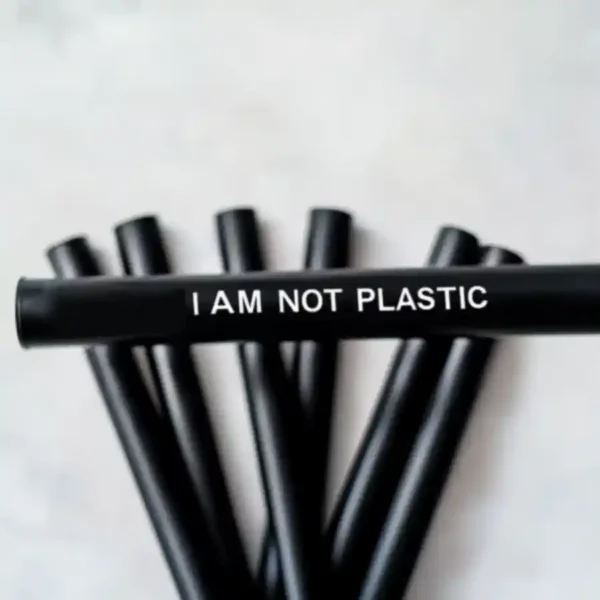
Una guía completa para manejar pedidos a granel de pajitas biodegradables
Introducción
The food service industry stands at a critical inflection point in its sustainability journey. As plastic pollution reaches crisis levels, biodegradable straws have emerged as a cornerstone of environmental responsibility. The market’s explosive growth – projected to reach $924.1 million by 2025 with a 13.2% CAGR – signals a fundamental shift in consumer preferences and regulatory landscapes.
El imperativo ambiental
El verdadero costo de las pajitas de plástico
Every day, Americans discard enough plastic straws to circle the Earth’s equator 2.5 times. Beyond the staggering 500 million daily usage, each straw’s 200-year decomposition period creates a compounding environmental debt. Marine biologists report finding plastic straw fragments in 71% of seabirds and 30% of sea turtles examined in 2023.
The Biodegradable Revolution
Modern biodegradable alternatives offer transformative benefits:
- 180-day decomposition in commercial composting facilities
- 68% smaller carbon footprint
- Generación cero de microplásticos
- Enhanced soil quality through natural decomposition
Strategic Procurement Guide
Smart Demand Planning for Sustainable Business
In today’s eco-conscious market, smart demand planning is crucial for optimizing resource use and minimizing waste. Here’s how businesses are adapting:
Dynamic Usage Analysis
Understanding the fluctuating needs of your business can significantly enhance operational efficiency. Here’s a detailed look:
- Base calculation: Daily covers × straw usage rate (1.3 straws/customer)
- Seasonal adjustment matrix:
- Summer months: +40%
- Holiday seasons: +35%
- Off-peak: -25%
- Safety stock: 15% + lead time coverage
This strategic approach helps in maintaining balance between overstocking and understocking, crucial for maintaining cost-efficiency and environmental sustainability.
Matriz de selección de materiales
Selecting the right materials is pivotal for both product quality and environmental impact. Here’s how materials compare:
| Material | Performance Characteristics | Mejor caso de uso | Cost-Benefit Ratio |
|---|---|---|---|
| PLA | Excellent clarity, moderate heat resistance | Cold beverages, quick-service | Alto |
| Caña de azúcar | Superior durability, high heat tolerance | Hot beverages, extended use | Medio |
| Bambú | Premium feel, highest temperature resistance | Upscale dining, specialty drinks | De primera calidad |
Ensuring Product Excellence Through Quality Assurance
To maintain high standards, a robust quality assurance framework is essential. Here’s what it includes:
Certification Requirements
Adhering to certifications ensures compliance with global standards, enhancing product trustworthiness:
- ASTM D6400/EN13432: Composting standards
- Certificación de contacto con alimentos de la FDA
- ISO 14851: Biodegradability verification
- New: 2024 EU Single-Use Plastics Directive compliance
This rigorous certification process supports environmental claims with verified compliance, crucial for market credibility.
Performance Benchmarks
Setting high performance benchmarks ensures that products meet the functional demands of consumers:
- Liquid integrity: 3-hour minimum at varying temperatures
- Temperature range: -20°C to +85°C
- Structural load: 2kg vertical pressure
- Bend resistance: 45° without cracking
Optimizing the Supply Chain for Greater Efficiency
Effective supply chain management is key to sustainability and cost reduction. Here’s how businesses streamline their operations for better outcomes:Advanced Inventory and Cost Management Strategies
Enhanced Inventory Management Techniques
Inventory Management 2.0
Exploring the future of inventory management, we delve into AI-enhanced processes:
– AI-powered demand forecasting
– Modified EOQ formula incorporating sustainability metrics:
EOQ = √((2AD × (OC + SC)) ÷ (HC × SF))
# Where:
# AD = Annual Demand
# OC = Ordering Cost
# SC = Sustainability Cost
# HC = Holding Cost
# SF = Sustainability Factor
– Regional buffer stock strategy based on lead time variability
This approach not only optimizes stock levels but also promotes environmental sustainability.
Strategic Cost Management for Competitive Advantage
Strategic Cost Management
Let’s explore cost management strategies that can significantly impact your bottom line:
1. Volume-Based Pricing
- Tier 1 (50,000+): 8% discount + carbon offset
- Tier 2 (100,000+): 12% discount + free composting consultation
- Tier 3 (250,000+): 18% discount + custom branding
2. Logistics Optimization
- FCL consolidation program
- Multi-node distribution network
- Opciones de envío neutras en carbono
These strategies are designed to enhance efficiency and sustainability in logistics and pricing.
Case Study: Urban Eats’ Sustainable Transformation
Real-World Success: Urban Eats Revolution
Urban Eats, a fast-casual chain with 50 locations, transformed their straw program in 2023:
Initial Challenges:
- Customer resistance to change
- Staff training hurdles
- Cost concerns
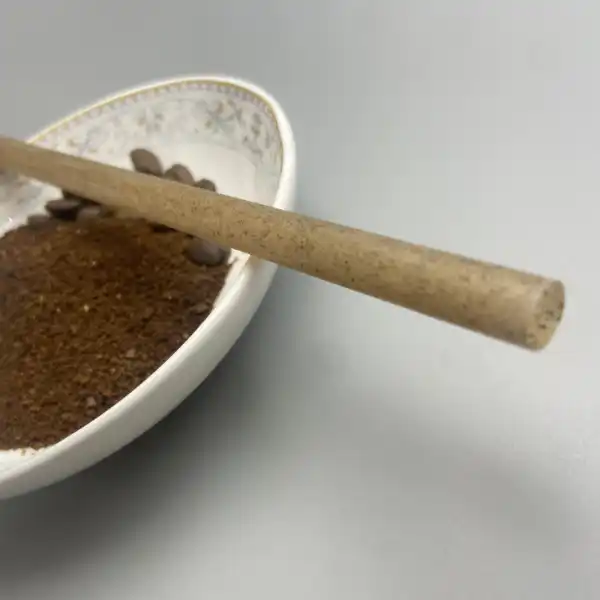
Pajita de posos de café personalizable.
Solutions Implemented:
- Custom QR-code education program
- Gamified staff training app
- Bulk ordering optimization
Results (12 months):
- 2.5M plastic straws eliminated
- 22% customer satisfaction increase
- 14-month ROI achievement
- $67,000 annual cost savings
- 15% increase in eco-conscious customer segment
This case study demonstrates the tangible benefits of sustainable practices in the food service industry.
Conclusión
The transition to biodegradable straws represents more than an environmental choice – it’s a strategic business imperative. Success requires a holistic approach combining precise demand planning, quality control, and supply chain optimization. Organizations that master this transition gain competitive advantages in sustainability leadership and operational efficiency.
Boba Boba Grofe Grothe de 12 mm envuelto individualmente 12 mm 210 mm
For implementation support:
- NatureBioEco: max@naturebioeco.com (Certified B-Corp)
- Pura Vida Bioplastics: sales@puravidabio.com (ISO 14001 Certified)
Preguntas frecuentes sobre pajitas biodegradables
¿De qué están hechas las pajitas biodegradables?
Biodegradable straws are typically made from plant-based materials like PLA (polylactic acid), which is derived from renewable resources such as corn starch or sugarcane.
¿Cuánto tiempo tardan en descomponerse las pajitas biodegradables?
Las pajitas biodegradables pueden descomponerse en 180 días en condiciones de compostaje comercial, mucho más rápido que las pajitas de plástico, que pueden tardar hasta 200 años.
¿Las pajitas biodegradables son tan duraderas como las de plástico?
Sí, las pajitas biodegradables modernas están diseñadas para ser tan duraderas como sus contrapartes de plástico, adecuadas tanto para bebidas frías como calientes.
¿Se pueden reciclar las pajitas biodegradables?
Las pajitas biodegradables generalmente no se pueden reciclar, pero se deben convertir en abono para que se descompongan adecuadamente.
¿Cuál es el impacto de las pajitas biodegradables en la vida silvestre?
A diferencia de las pajitas de plástico, las pajitas biodegradables no representan una amenaza para la vida silvestre, ya que se descomponen en elementos naturales si se desechan correctamente.
¿Cómo identifican los consumidores las pajitas biodegradables de alta calidad?
High-quality biodegradable straws are usually certified by recognized standards such as BPI (Biodegradable Products Institute) or similar certifications indicating compliance with compostability standards.
Are there any financial benefits to switching to biodegradable straws?
Yes, businesses can benefit financially by appealing to eco-conscious consumers and potentially reducing waste management costs associated with plastic disposal.
What should businesses consider when transitioning to biodegradable straws?
Businesses should consider the cost implications, supplier reliability, and customer acceptance when transitioning to biodegradable straws.
Conclusión
Adoptar pajitas biodegradables no es sólo un acto medioambiental; es un movimiento con visión de futuro para cualquier negocio. Al adoptar prácticas sostenibles, las empresas no sólo contribuyen a la conservación del medio ambiente sino que también mejoran su posición en el mercado y su atractivo para el consumidor.
Tomar medidas
¿Listo para hacer un cambio? ¡Contacta con nuestros proveedores de confianza y da un paso hacia la sostenibilidad hoy!