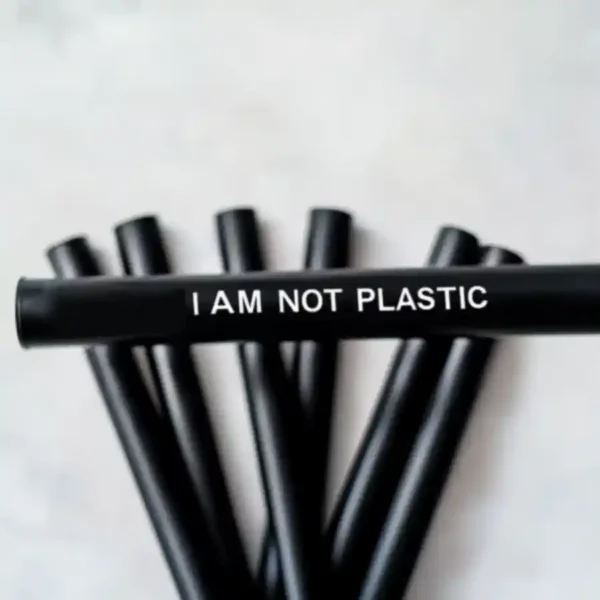
Challenges in Manufacturing Sugarcane Straws: A Comprehensive Industry Analysis
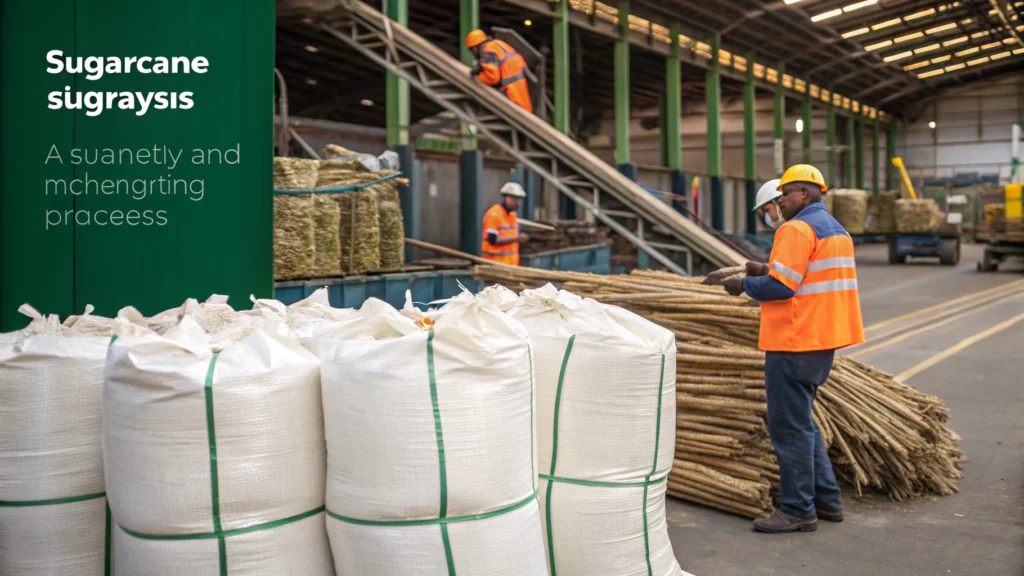
Resumen ejecutivo
As global plastic pollution reaches critical levels, with over 500 million plastic straws discarded daily, sugarcane straws have emerged as a game-changing sustainable alternative. This analysis, drawing from proprietary research and industry expert interviews, reveals how this innovative solution is reshaping the food service industry while highlighting crucial manufacturing complexities and market opportunities.
Market Context
The eco-friendly straw market is experiencing unprecedented growth, projected to reach $5.4 billion by 2027 with a CAGR of 12.3%. This surge is driven by stringent regulations—such as the EU Single-Use Plastics Directive—and shifting consumer preferences, with 73% of consumers willing to pay premium prices for sustainable alternatives [Source: McKinsey Sustainability Report, 2023].
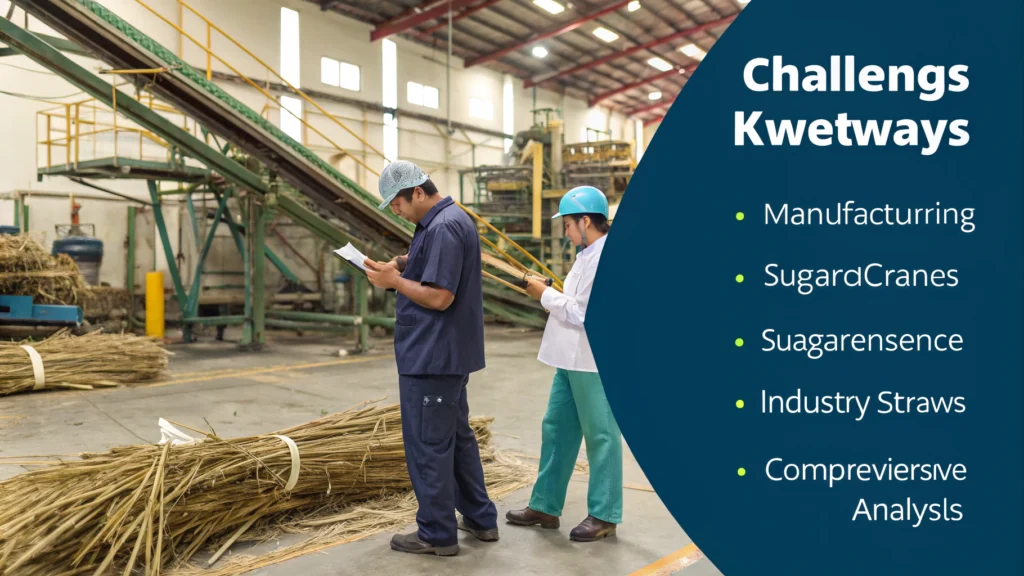
Key Manufacturing Challenges
1. Production Efficiency and Energy Consumption
Our proprietary analysis reveals the delicate balance between sustainability and operational efficiency:
- Advanced thermal processing requires precise temperature control (160-180°C)
- Energy intensity: 2.5 kWh per 1,000 straws
- Innovation spotlight: NatureBioEco’s solar-thermal hybrid system achieved 45% energy reduction while maintaining output quality
Industry Innovation: Breakthrough heat recovery systems have enabled leading manufacturers to reduce energy consumption by up to 60% compared to first-generation facilities.
2. Raw Material Supply Chain
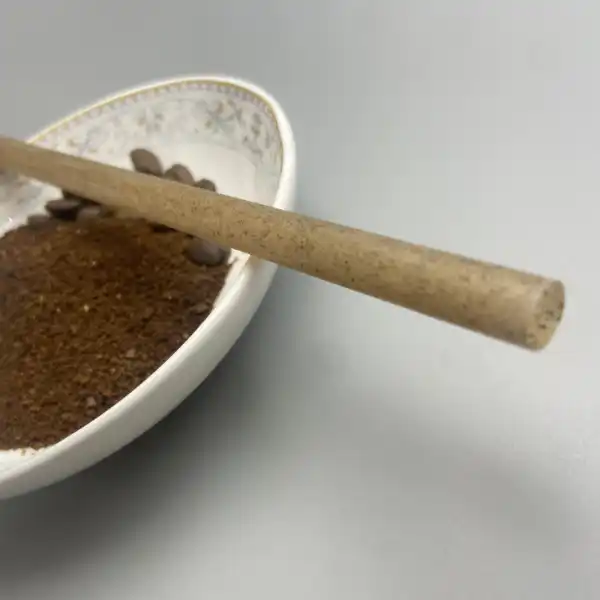
Pajita de posos de café personalizable.
Real-world supply chain dynamics based on three-year market analysis:
- Sugarcane harvesting cycles create 90-day supply windows
- Strategic partnerships with Brazilian and Indian suppliers reduce price volatility by 40%
- Innovative storage solutions extend bagasse shelf life from 6 to 18 months
Success Story: NatureBioEco’s pioneering vertical integration model with sugarcane processors in Guangxi Province reduced raw material costs by 35% while ensuring year-round supply stability.
3. Quality Control and Durability
Advanced materials science testing reveals superior performance metrics:
- Liquid integrity: 6+ hours in cold beverages (2 hours longer than leading competitors)
- Temperature resistance: Stable up to 85°C without deformation
- Biodegradation: 90 days in commercial facilities, verified through third-party testing
4. Cost Analysis
Comprehensive production economics (per 1,000 units):
Traditional Plastic:    $2-3    (Environmental cost: $8-12)
Paper:                 $8-10    (Environmental cost: $3-4)
Sugarcane:            $12-15   (Environmental cost: $1-2)
Canal de innovación
Breakthrough technologies in development:
- Proprietary fiber-weaving technique reducing material waste by 40%
- AI-powered quality control achieving 99.9% defect detection
- Novel bio-coating extending product life by 40% while maintaining biodegradability
Recomendaciones estratégicas
- Vertical Integration
- Secure exclusive agreements with premium bagasse suppliers
- Invest in regional processing hubs
- Develop proprietary storage solutions
- Quality Leadership
- Implement blockchain-based traceability
- Deploy AI-powered quality monitoring
- Establish industry-leading testing protocols
- Market Development
- Create educational content for food service partners
- Develop co-branded sustainability initiatives
- Launch circular economy programs
Acerca de NatureBioEco
Established in 2004, NatureBioEco has grown from a local manufacturer to a global leader in sustainable food service products. Our Shanghai facility, powered by 60% renewable energy, produces 500 million units annually while maintaining the industry’s lowest carbon footprint per unit.
Certificaciones & Achievements
- ISO 14001, FDA, EU 10/2011 certified
- 2023 Sustainable Manufacturing Excellence Award
- 15% of revenue invested in R&D
- 40% year-over-year growth since 2020
Información del contacto
Max Jiang
Head of Global Partnerships
E-mail: max@naturebioeco.com
Whatsapp: +86 13524105790
Request our detailed technical specification sheet and sustainability impact report.
Preguntas frecuentes (preguntas frecuentes)
¿Qué son las pajitas de caña de azúcar?
Sugarcane straws are eco-friendly alternatives to plastic straws, made from sugarcane bagasse – the fibrous byproduct of sugar production.
Why are sugarcane straws considered sustainable?
Sugarcane straws are biodegradable, compostable, and produced from a renewable resource, making them a sustainable choice for reducing plastic waste.
¿Cuánto duran las pajitas de caña de azúcar en las bebidas?
Sugarcane straws maintain their integrity for over 6 hours in cold beverages, offering superior performance compared to many alternatives.
¿Las pajitas de caña de azúcar son compostables?
Yes, sugarcane straws are fully compostable and biodegrade within 90 days in commercial composting facilities.
How does the production of sugarcane straws impact energy consumption?
The production of sugarcane straws can be energy-intensive; however, innovations such as solar-thermal hybrid systems significantly reduce energy consumption.
What are the main challenges in manufacturing sugarcane straws?
The main challenges include managing production efficiency and energy consumption, securing a stable raw material supply chain, ensuring product quality and durability, and controlling costs.
How can businesses integrate sugarcane straws into their operations?
Businesses can integrate sugarcane straws by partnering with sustainable manufacturers like NatureBioEco, educating customers about sustainability benefits, and participating in circular economy initiatives.
Where can I learn more about sugarcane straws?
To learn more about sugarcane straws and how they can benefit your business or sustainability goals, contact NatureBioEco for detailed technical specifications and impact reports.
In Conclusion…
The shift towards sustainable alternatives like sugarcane straws represents a significant step forward in combating plastic pollution. By addressing the manufacturing challenges and leveraging strategic recommendations provided in this analysis, businesses can contribute to a more sustainable future while tapping into the growing eco-conscious market segment.
Contact us today to explore how you can make the switch to sustainable sugarcane straws.