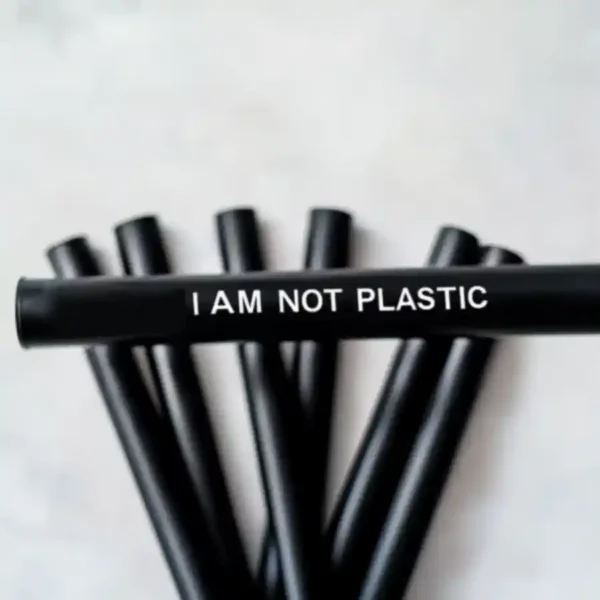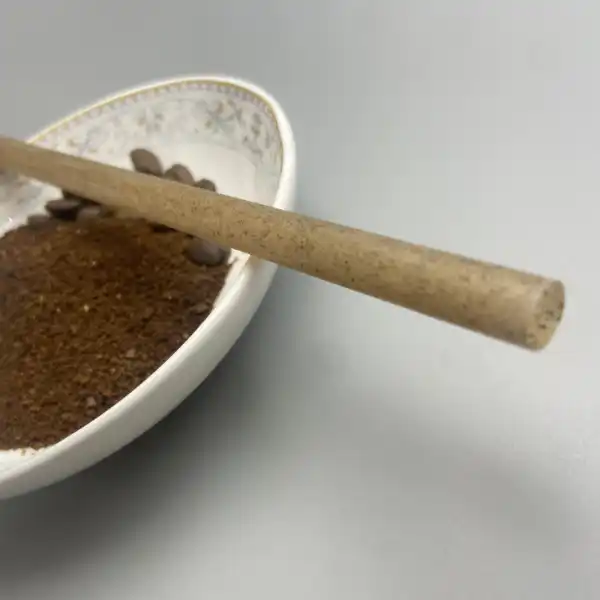
Pajitas compostables para B2B: cumplimiento, costo & Sostenibilidad

La realidad de la prohibición del plástico: cómo las pajitas compostables están cambiando el juego

Picture this: It’s a busy Friday night at your restaurant chain. Customers are enjoying their drinks, complete with straws, while your staff efficiently manages the evening rush. Now fast-forward six months—plastic straw bans have hit your region, bringing $10,000 daily fines for non-compliance. Your once-reliable plastic straw supplier can no longer serve your needs.
This scenario isn’t hypothetical—it’s playing out acros the globe as single-use plastic regulations tighten. From Europe’s Single-Use Plastics Directive to California’s statewide ban, the regulatory landscape is shifting dramatically. By 2025, over 100 countries will have implemented some form of plastic straw restriction.
The solution? Compostable straws that offer the durability businesses need while meeting increasingly strict environmental regulations.
But what exactly makes a straw “compostable” rather than just “biodegradable”? Compostable products break down completely into non-toxic components (water, carbon dioxide, and biomas) within a specific timeframe in composting conditions. They leave no microplastic residue behind—unlike many “biodegradable” alternatives that simply fragment into smaller plastic pieces.
For B2B buyers, this distinction matters enormously. Compostable straws provide regulatory compliance while aligning with consumer demand for genuinely sustainable products. Learn more about cost-effective compostable options for your busines needs eso no arruinará su presupuesto y al mismo tiempo lo mantendrá en cumplimiento.
El mercado está respondiendo: se prevé que el mercado mundial de paja compostable alcance los 924,1 millones de dólares en 2026, lo que representa una tasa compuesta anual del 13,6 %. Este crecimiento no está motivado únicamente por el medio ambiente: refleja que las empresas se adaptan a las regulaciones cambiantes y a las preferencias de los consumidores.
Como comprador B2B, comprender todo el espectro de opciones de paja compostable le garantiza tomar decisiones informadas que protejan tanto sus intereses comerciales como los del planeta. Profundicemos en lo que hace que estas alternativas sostenibles funcionen para empresas como la suya.
Cumplimiento normativo: certificaciones importantes para las pajitas compostables

Navigating the certification landscape for compostable straws can feel overwhelming, but getting it right is essential for B2B buyers. The stakes are high—according to a recent Environmental Compliance Institute report, businesses using improperly certified “eco-friendly” products face an average of $23,000 in fines per violation in jurisdictions with strict plastics regulations.
The gold standards for compostable product certification include:
1. **ASTM D6400/D6868** – Certifies products that biodegrade in commercial composting facilities
2. **EN 13432** – The European standard equivalent to ASTM certification
3. **BPI Certification** – Biodegradable Products Institute verification
4. **TÜV Austria** – Offers home compostability certification (OK Compost HOME)
5. **FDA Food Contact Safety** – Ensures materials are safe for food contact applications
Beyond environmental certifications, food safety compliance through FDA food contact materials guidelines is non-negotiable for any straw product. This ensures materials won’t leach harmful substances into beverages—a critical consideration for hospitality businesses.
The certification landscape varies by region. In the EU, EN 13432 compliance is mandatory for compostable claims, while in the US, state-by-state regulations may reference ASTM standards. Explore our guide to 2025 bulk compostable straws regulations para comprender los próximos cambios que afectarán a su negocio.
Un error común entre los compradores B2B es asumir que todas las pajitas "de origen vegetal" están certificadas como compostables. Muchos productos comercializados como ecológicos carecen de la certificación adecuada, lo que deja a las empresas vulnerables tanto a multas regulatorias como a reacciones negativas de los consumidores.
Para las empresas multinacionales, navegar por estos diferentes estándares añade complejidad. Trabajar con proveedores que comprenden los requisitos de cumplimiento global y pueden proporcionar la documentación adecuada simplifica este proceso y protege su negocio independientemente de dónde opere.
Cómo se comparan las pajitas compostables con otras alternativas ecológicas

When evaluating sustainable straw options, B2B buyers need clear comparisons to make informed decisions. According to a 2023 McKinsey sustainability report, businesses that switch to properly vetted sustainable alternatives save an average of 17% on waste management costs over three years compared to those using conventional plastics.
Let’s compare the main alternatives:
| Material | Composting Timeline | Durabilidad | Cost (B2B Bulk) | Impacto medioambiental |
|---|---|---|---|---|
| ———- | ———————— | ———— | —————– | ———————- |
| PLA (a base de maíz) | 3-6 months (industrial) | Medio | $$ | Low carbon footprint but requires commercial composting |
| PHA (Bacteria-based) | 3-12 months (home or industrial) | Medio-alto | $$$ | Marine biodegradable, lowest overall impact |
| Papel | 2-4 weeks | Bajo | $ | Sustainable but poor user experience |
| Agave Fiber | 2-6 months (home or industrial) | Alto | $$ | Upcycles agricultural waste, water-efficient production |
| Bagazo de caña de azúcar | 2-3 months (home or industrial) | Alto | $$ | Utilizes agricultural byproducts, carbon-neutral |
| Reusable (Metal/Glas) | N/A | muy alto | $$$$ | Depends on usage frequency and washing methods |
Beyond the specifications, practical considerations matter enormously. Explore our agave straws for B2B applications that combine durability with sustainability for businesses needing a premium solution.
The United Nations Environment Programme has extensively studied alternatives to single-use plastics, concluding that material selection should be context-specific. According to their comprehensive report on plastic alternatives, the ideal solution depends on local waste infrastructure, product use case, and environmental priorities.
For hot beverages, natural fiber options like sugarcane and agave outperform PLA, which can deform at high temperatures. Meanwhile, businesses serving cold beverages might find PLA’s clarity and plastic-like performance advantageous. Our sugar cane straws offer cost-effective solutions for businesses navigating these complex choices.
The key is matching the right sustainable option to your specific busines needs while ensuring proper end-of-life processing.
Principales beneficios comerciales de cambiar a pajitas compostables

Beyond compliance, compostable straws offer substantial busines advantages that directly impact your bottom line. A 2023 Nielsen consumer study revealed that 73% of consumers would pay a premium of up to 10% for products with sustainable packaging—translating to increased revenue potential for businesses making the switch.
### Brand Reputation Enhancement
Today’s consumers actively seek out environmentally responsible businesses. Visibly switching to compostable straws creates a powerful impression that resonates with eco-conscious customers. Our cost analysis shows the return on investment for sustainable straws extends far beyond the product itself.
### Regulatory Future-Proofing
By transitioning now, your busines stays ahead of inevitably stricter regulations. This proactive approach eliminates the rush and potential supply chain issues when bans take effect, giving you a competitive advantage.
### Marketing Differentiation
Compostable straws provide tangible proof of sustainability commitments. Many businesses leverage this transition in marketing campaigns, social media content, and in-store signage to highlight their environmental leadership.
### Compromiso y retención del personal
According to a 2022 Gallup workplace survey, 67% of employees prefer working for environmentally responsible companies. Sustainable initiatives like compostable straws boost employee morale and help attract talent aligned with your values.
### Cost Stabilization
While the initial per-unit cost might be higher than conventional plastic, businesses implementing compostable straws report more predictable long-term costs as they avoid the volatile pricing of petroleum-based products. Restaurants can find particularly cost-effective solutions that balance budget concerns with sustainability goals.
### Waste Reduction Savings
Businesses utilizing compostable straws in areas with composting infrastructure report an average 22% reduction in waste management costs. When straws can be composted alongside food waste, garbage volume decreases significantly, potentially reducing hauling frequency and costs.
Impacto ambiental: por qué ganan las pajitas compostables

The environmental advantages of compostable straws extend far beyond simply avoiding plastic. According to a 2023 life-cycle assessment by the Sustainable Packaging Coalition, switching from conventional plastic straws to certified compostable alternatives reduces greenhouse gas emissions by approximately 80% when properly composted.
Conventional plastic straws epitomize the problems of our throwaway culture—used for minutes but persisting in the environment for centuries. Made from petroleum-based polypropylene, they contribute to fossil fuel demand while creating persistent waste. An estimated 8.3 billion plastic straws pollute the world’s coastlines, threatening marine life through ingestion and entanglement.
In contrast, properly certified compostable straws create a circular system:
1. They’re manufactured from renewable resources like corn, sugarcane, or agave fibers
2. They provide the same functionality during use
3. They return to the soil as valuable compost after disposal
This complete cycle eliminates the extractive, linear nature of conventional plastics. Event planners and festivals can dramatically reduce waste and ecological impact by implementing compostable straws at large gatherings.
Beyond composition, manufacturing processes for compostable straws typically require les energy and produce fewer toxic byproducts than petroleum-based alternatives. Plant-based materials like bagasse (sugarcane fiber) and agave fiber utilize agricultural waste streams, creating value from what would otherwise be discarded.
For businesses with comprehensive sustainability goals, compostable straws contribute to multiple environmental objectives—reducing fossil fuel dependence, decreasing waste, and supporting regenerative agricultural practices.
Estudio de caso: El éxito de las pajitas compostables en acción

When the Pacific Coast Hotel Group implemented compostable straws acros their 28 properties, they faced initial skepticism from both management and customers. Would these sustainable alternatives hold up in tropical cocktails? Could they justify the 35% price increase over conventional plastic?
Six months after implementation, the results were undeniable:
- Guest satisfaction scores regarding beverage presentation increased by 12%
- Social media mentions highlighting their sustainability efforts jumped 215%
- Waste audits revealed a 27% reduction in landfill-bound waste volume
- Staff reported fewer complaints about straws dissolving or collapsing during use
“We expected environmental benefits, but what surprised us was the positive busines impact,” explains Maria Chen, the group’s Sustainability Director. “The compostable straws became a conversation starter. Guests would ask about them, which gave our staff opportunities to highlight our broader environmental initiatives.”
The hotel group chose agave-based straws for their superior performance in tropical drinks, working with suppliers to ensure consistent supply chain reliability. After an initial adjustment period, bar staff reported that the straws performed comparably to plastic for most applications.
Most impressively, the chain turned what could have been seen as merely a compliance requirement into a marketing advantage. They created branded table tents explaining their compostable straw initiative, which 63% of surveyed guests recalled after their stay.
“What began as regulatory compliance became a defining feature of our brand experience,” Chen notes. “We’re now exploring additional opportunities to incorporate compostable serviceware throughout our properties.”
Preguntas frecuentes
- Are compostable straws actually more expensive than plastic straws?
- When comparing unit costs, yes—compostable straws typically cost 2-3 times more than conventional plastic straws. However, this calculation doesn’t account for regulatory compliance costs, potential fines, and marketing benefits. Many businesses find the total value proposition makes economic sense, especially when purchasing in larger bulk quantities that can reduce the price differential to 30-50%.
- How do I know if compostable straws will work with my hot beverages?
- Material selection is crucial for hot beverages. PLA (corn-based) straws typically soften at temperatures above 105°F (40°C), making them unsuitable for hot drinks. For hot beverages, choose natural fiber-based options like agave or sugarcane, which maintain structural integrity at higher temperatures. Always request samples before making bulk purchases to test with your specific menu items.
- What’s the shelf life of compostable straws?
- When stored properly in cool, dry conditions, most compostable straws maintain their quality for 1-3 years. Factors affecting shelf life include humidity, temperature fluctuations, and packaging. Premium compostable straws typically come in moisture-resistant packaging to extend shelf life. We recommend purchasing quantities you’ll use within 12 months for optimal performance.
- Can my customers tell the difference between plastic and compostable straws?
- The consumer experience varies by material. PHA straws most closely mimic conventional plastic in appearance and mouthfeel. Agave and sugarcane straws have a slightly more natural appearance but maintain excellent performance. Paper straws are most noticeably different and may degrade during use. Most businesses find that with proper selection, the consumer experience remains positive—especially when paired with communication about sustainability benefits.
- Will compostable straws actually break down in landfills?
- No, and this is an important misconception to addres. Certified compostable products require specific conditions (temperature, moisture, microorganisms) to properly decompose. In landfills, these conditions aren’t present, so even compostable items break down very slowly while potentially releasing methane. The environmental benefits are realized when these products reach commercial composting facilities or, for home compostable items, backyard compost systems.
- How do I verify that my compostable straws are genuinely certified?
- Legitimate compostable products will carry certification marks from recognized authorities like BPI, TÜV Austria (OK Compost), or equivalent regional certifiers. Request documentation from suppliers, including certification IDs that can be verified through certification body websites. Be wary of vague terms like “eco-friendly” or “biodegradable” without specific certifications.
- Can I get custom branding on compostable straws?
- Sí, muchos proveedores de pajitas compostables ofrecen opciones de impresión personalizadas, aunque los mínimos suelen comenzar entre 50 000 y 100 000 unidades. Se utilizan tintas aptas para alimentos compatibles con el compostaje. La impresión personalizada agrega aproximadamente entre un 15% y un 30% a los costos básicos, pero brinda oportunidades de marca directamente en el producto. Algunos materiales (como el PLA) aceptan una impresión más detallada que las opciones de fibras naturales.