Transitioning to eco-friendly straws and drinkware is an important step for businesses that aim to reduce their environmental impact while meeting the growing demand for sustainable practices. This comprehensive guide provides businesses with the necessary insights and strategies to make this transition smoothly and effectively.

Selecting Eco-Friendly Straw Alternatives
As businesses become more conscious of their environmental footprint, selecting the right eco-friendly alternatives to traditional plastic straws is crucial. Below are some of the best sustainable options available:
1. Paper Straws
Paper straws made from FSC-certified fiber are a popular and widely available eco-friendly alternative to plastic. These straws are compostable and come in various sizes to suit different beverage types, making them a great option for restaurants and cafes. You can explore various suppliers like Productos de Libro Verde for high-quality options.
2. Plant-Based Straws
- Pajitas De Arroz: Made from rice and tapioca starch, these straws are biodegradable and even edible, making them a unique and sustainable option for eco-conscious businesses Shopeq U.
- Pajitas de trigo: These are made from wheat stems, naturally biodegradable, and ideal for single-use, offering a sustainable choice for fast-paced environments Yes Straws.
- Pajitas de bambú: Known for their durabilidad y antibacterial properties, bamboo straws are compostable and perfect for businesses that want a long-lasting, eco-friendly solution.
- Pajitas de heno: Made from natural wheat stems, hay straws are gluten-free and 100% compostable, providing an excellent eco-friendly alternative for businesses focused on waste reduction Pajitas de heno.
3. Coconut Straws
Coconut straws are made from fermented coconut water and are biodegradable y reutilizable throughout the day. This innovative solution reduces the environmental footprint and offers a sustainable choice for the eco-conscious consumer Shopeqo.

4. Sulapac Straws
Sulapac straws are crafted from wood chips y plant-based binders, ensuring they biodegrade without leaving harmful microplastics. These straws are a great option for businesses seeking truly ecológico solutions Sulápac.
5. Metal Straws
Pajitas de acero inoxidable son reutilizable, durable, and perfect for businesses that want to offer customers an environmentally responsible alternative to plastic. These straws can also be customized with logos and branding, making them an excellent marketing tool Difford’s Guide.
6. Glass Straws
Glass straws son otra opción reutilizable, fácil de limpiar y visualmente atractiva. Proporcionan una alternativa de alta gama para empresas que buscan ofrecer productos sostenibles pero premium. Difford’s Guide.
Implementing the Transition
La transición a alternativas ecológicas requiere una planificación cuidadosa. Aquí hay una guía paso a paso para ayudar a las empresas a navegar el proceso:

1. Evaluar el uso actual
El primer paso es evaluar su actual consumo de paja y determinar la cantidad y los tipos de alternativas ecológicas que se requerirán. Esto le dará una idea clara de cuánto necesita obtener y qué materiales funcionarán mejor para sus operaciones.
2. Elija la alternativa adecuada
Elegir las pajitas ecológicas adecuadas depende de varios factores:
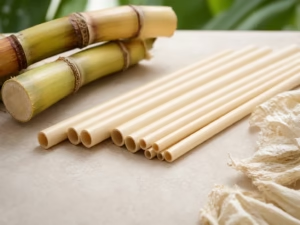
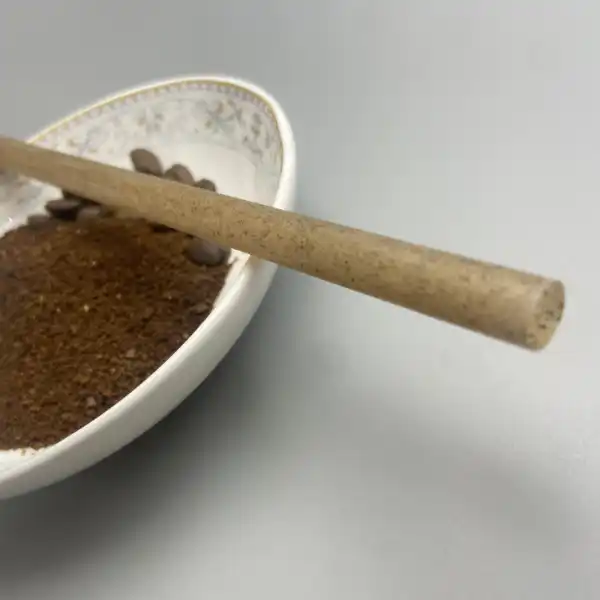
- Tipos de bebidas: Diferentes bebidas pueden requerir tipos específicos de pajitas. Por ejemplo, las bebidas espesas como los batidos pueden beneficiarse de pajitas más anchas como Pajitas de café molido para batidos, mientras que los cócteles o jugos pueden funcionar bien con pajitas de menor diámetro como Pajitas de caña de azúcar para cóctel.
- Preferencias del cliente: Considere su base de clientes y los tipos de productos que prefieren. Ofrecer una variedad de pajitas ecológicas satisfará diferentes necesidades.
- Regulaciones locales: En algunas regiones, puede haber regulaciones exige el uso de materiales ecológicos específicos, por lo que es esencial cumplir con las normas.
3. Investigación de proveedores
Investigar fabricantes confiables de pajitas biodegradables es clave. Por ejemplo, Pajitas de cerdo hormiguero specializes in eco-friendly paper straws Verified Market Research. Similarly, NatureBioeco offers a range of customizable, eco-friendly straws, including posos de café y pajitas de caña de azúcar.
4. Capacitación del personal
Ensure your team is well-informed about the benefits of eco-friendly products and the proper disposal methods. Proper training will help employees communicate the value of sustainability to customers.
5. Customer Education
Educating your customers about the environmental impact of plastic and the benefits of using eco-friendly products can be done through señalización, menu notes, o online communication. This helps customers feel informed and empowered to make sustainable choices.

6. Gradual Implementation
Start by offering eco-friendly straws alongside traditional plastic ones. Gradually phase out plastic as customers become more accustomed to the new products.
Expanding to Eco-Friendly Drinkware
Once your business has successfully transitioned to eco-friendly straws, consider expanding your efforts to eco-friendly drinkware:
1. Reusable Cups
Introduce branded reusable cups for customers to purchase and refill at a discount. This encourages customers to bring their own containers, further reducing waste.
2. Biodegradable Cups
For single-use needs, consider switching to cups made from materiales compostables como PLA (corn-based plastic) Productos de Libro Verde.

3. Cristalería
For dine-in customers, prioritize the use of traditional glassware to minimize waste. This can be a more sustainable option compared to disposable cups.
Superando desafíos
Transitioning to eco-friendly alternatives may present challenges, but these can be addressed effectively:
1. Gestión de costos
Mientras opciones ecologicas may be more expensive initially, consider the long-term benefits, such as reduced waste management costs and potential savings from incentivos gubernamentales for sustainable practices.
2. Quality Control
Test different eco-friendly straws to ensure they meet your standards for durabilidad y satisfacción del cliente. This is especially important for products that are used daily by customers.
3. Disposal Infrastructure
Work with local waste management facilities to ensure proper composting or recycling of biodegradable products. This ensures that your eco-friendly products don’t end up in landfills.

Preguntas frecuentes
1. What are eco-friendly straws made from?
Eco-friendly straws are made from materials such as bamboo, paper, rice, wheat, y posos de café, each offering different benefits in terms of sustainability and usability.
2. Are metal straws really better for the environment than plastic?
Sí, pajitas de metal son reutilizable y durable, significantly reducing waste when compared to single-use plastic straws.
3. How long do compostable straws take to break down?
Compostable straws typically break down in 3 a 6 meses under proper composting conditions.
4. How can I ensure the eco-friendly products I buy are truly sustainable?
Buscar certificaciones como compostable o biodegradable, and choose suppliers that prioritize ethical sourcing y environmentally responsible production practices.
5. Are eco-friendly straws more expensive than plastic ones?
Mientras pajitas ecológicas may cost more upfront, the long-term savings from reduced waste management costs and potential incentives often offset the initial expense.
6. Can I customize eco-friendly straws with my brand’s logo?
Sí, pajitas ecológicas can often be customized with branding, allowing businesses to promote their sostenibilidad message to customers.
7. What certifications should I look for when purchasing eco-friendly straws?
Busque certificaciones como compostable, FSC-certified, y Sin BPA to ensure the product meets sustainability and safety standards.
8. How do I introduce eco-friendly straws to my customers?
Educate your customers about the environmental benefits of pajitas ecológicas using in-store signage, menu updates, y social media campaigns to create awareness and encourage adoption.
Conclusión
Transitioning to eco-friendly straws and drinkware is a significant step for businesses aiming to reduce their environmental impact and align with growing consumer demand for sustainability. By carefully selecting the right materials, educating employees and customers, and addressing challenges like cost and waste management, businesses can successfully implement eco-friendly solutions that are both environmentally and economically beneficial.
Recursos adicionales
Este enfoque para la implementación de productos ecológicos no solo ayuda a proteger el medio ambiente sino que también establece a su empresa como líder en sostenibilidad.