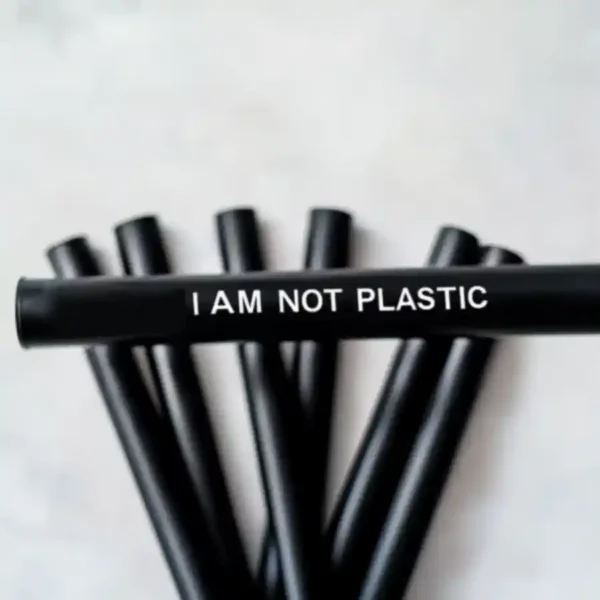

Transitioning to eco-friendly straws and drinkware is a vital step for businesses that want to reduce their environmental impact and appeal to the growing number of environmentally conscious consumers. This comprehensive guide will provide businesses with actionable steps to make the switch smoothly and effectively.
Selecting Eco-Friendly Straw Alternatives
The first step in transitioning to sustainable alternatives is selecting the right eco-friendly straws. Here are some popular options, each with distinct benefits:
1. Paper Straws
Paper straws are one of the most common eco-friendly alternatives to plastic. Made from FSC-certified fiber, they are compostable and widely available, making them an easy choice for businesses looking to reduce their plastic usage. Paper straws are ideal for beverages that require a single-use straw, such as juices or soft drinks [5].
2. Plant-Based Straws
Plant-based straws come in several varieties, all offering biodegradable and compostable benefits:
- Pajitas De Arroz: Made from rice and tapioca starch, these are biodegradable and even edible, providing a unique option for customers who prioritize zero-waste practices [2].
- Pajitas de trigo: These straws are made from wheat stems, offering a natural, biodegradable alternative. They are single-use but break down easily in composting environments [1].
- Pajitas de bambú: Known for their durability and antibacterial properties, bamboo straws are reusable and compostable, making them an excellent long-term solution [1].
- Pajitas de heno: Made from natural wheat stems, hay straws are gluten-free and 100% compostable, offering a versatile and sustainable option for businesses [7].

3. Coconut Straws
Coconut straws are made from fermented coconut water and offer the benefit of being biodegradable. These straws can be reused throughout the day, making them an eco-friendly and durable alternative to plastic [2].
4. Sulapac Straws
Sulapac straws are made from wood chips and plant-based binders. They biodegrade without leaving harmful microplastics, making them an excellent choice for businesses seeking a truly eco-friendly solution [3].
5. Metal Straws
Stainless steel metal straws are highly durable and reusable, making them an excellent investment for businesses. They provide a sustainable, long-term solution to single-use plastic straws and can be customized with branding for added appeal [6].
6. Glass Straws
Glass straws are another reusable option. They are easy to clean, visually appealing, and offer a high-end alternative for businesses in the food and beverage industry. These straws are durable, but care must be taken to prevent breakage [6].
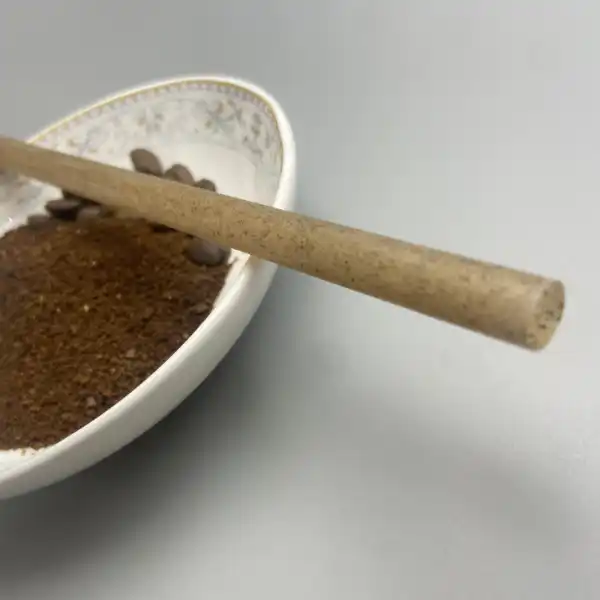
7. Coffee Grounds Straws
For businesses focused on sustainability, Pajitas de café present an innovative eco-friendly option. These straws are biodegradable, compostable, and made from repurposed coffee grounds, offering an upcycled product that helps reduce waste. You can check out the Pajitas de café boba envueltas individualmente. for a unique offering.

Implementing the Transition
Transitioning to eco-friendly straws and drinkware requires a thoughtful approach. Here’s a step-by-step guide to help businesses implement this shift:
1. Evaluar el uso actual
Start by evaluating your business’s straw consumption. Determine how many straws are being used on a daily, weekly, and monthly basis, and calculate the number of eco-friendly alternatives needed to replace plastic straws.
2. Elija la alternativa adecuada
Seleccionar la alternativa ecológica adecuada depende de varios factores, incluidos los tipos de bebidas que se sirven, las preferencias de los clientes y las regulaciones locales. Por ejemplo, si su establecimiento sirve bebidas calientes, podrían ser preferibles las pajitas de metal o bambú. Si opera un negocio de gran volumen con una rotación rápida, el papel compostable o las pajitas de origen vegetal pueden ser una mejor opción.
3. Investigación de proveedores
Busque fabricantes acreditados que ofrezcan pajitas ecológicas. Empresas como Aardvark Straws, que se especializa en pajitas de papel biodegradables, ofrecen una gama de productos sostenibles que pueden satisfacer sus necesidades [4]. También puedes explorar opciones como pajitas de caña de azúcar personalizables para alinear su marca con prácticas sustentables.
4. Capacitación del personal
Educate your staff about the new products, their benefits, and the proper disposal methods. Ensure they are equipped to answer customer questions and explain the environmental advantages of eco-friendly alternatives.

5. Customer Education
Inform your customers about your commitment to sustainability. This can be done through signage in-store, notes on menus, or table tents that explain the benefits of the eco-friendly products you are offering.
6. Gradual Implementation
Implement the transition gradually by offering eco-friendly straws alongside traditional plastic ones. Over time, phase out plastic straws completely. This gradual approach ensures a smooth transition for both customers and employees.
Expanding to Eco-Friendly Drinkware
Once you have successfully transitioned to eco-friendly straws, consider expanding your sustainable efforts to drinkware. Here are some options to explore:

1. Reusable Cups
Introducing branded reusable cups allows customers to purchase and refill their cups at a discount, reducing the need for single-use cups and providing a long-term, sustainable option.
2. Biodegradable Cups
Para las empresas que requieren vasos de un solo uso, considere cambiar a opciones compostables como PLA (plástico a base de maíz). Estos vasos son biodegradables y una opción más responsable con el medio ambiente que los vasos de plástico tradicionales [5].
3. Cristalería
Para los establecimientos de comida rápida, priorice el uso de cristalería tradicional sobre vasos desechables. Esto no sólo reduce el desperdicio sino que también mejora la experiencia gastronómica de sus clientes.
Superando desafíos
Si bien la transición a productos ecológicos ofrece numerosos beneficios, existen desafíos que las empresas pueden enfrentar. He aquí cómo abordarlos:
1. Gestión de costos
Eco-friendly products may come at a higher initial cost compared to plastic alternatives. However, businesses can offset these costs through reduced waste management fees, potential government incentives, and the long-term savings associated with sustainability efforts.
2. Quality Control
Test different eco-friendly products to ensure they meet your business’s standards for durability and customer satisfaction. This may involve trial runs and feedback from customers to identify the most suitable alternatives.
3. Disposal Infrastructure
Work with local waste management facilities to ensure the proper composting or recycling of biodegradable products. This will help ensure that your efforts to reduce waste are not undermined by poor disposal practices.
Conclusión
By transitioning to eco-friendly straws and drinkware, businesses can significantly reduce their environmental impact while meeting customer demand for sustainable practices. With careful planning, supplier research, and customer education, businesses can make the switch smoothly and set themselves apart as leaders in sustainability.
Preguntas frecuentes
1. What are eco-friendly straws made from?
Eco-friendly straws can be made from a variety of materials including paper, bamboo, rice, wheat, coffee grounds, glass, metal, and biodegradable plastics.
2. Are metal straws really better for the environment than plastic?
Yes, metal straws are reusable and durable, which reduces waste over time. Unlike plastic straws, which are used once and discarded, metal straws can last for years, offering a more sustainable alternative.
3. How long do compostable straws take to break down?
Compostable straws, such as those made from sugarcane or bamboo, typically break down within 3 to 6 months under proper composting conditions.
4. How can I ensure the eco-friendly products I buy are truly sustainable?
Look for certifications like FSC (Forest Stewardship Council) for paper straws or compostable logos that indicate the products meet environmental standards. Researching manufacturers and understanding their sourcing and manufacturing practices is also key.
5. ¿Las pajitas ecológicas son más caras que las de plástico?
While eco-friendly straws can be more expensive initially, the long-term benefits—such as reduced waste management costs and potential government incentives—can offset these costs.
6. Can I customize eco-friendly straws with my brand’s logo?
Yes, many suppliers offer customization services for eco-friendly straws, including options for adding logos and branding for businesses looking to promote their commitment to sustainability.
7. What are the environmental benefits of switching to bamboo or sugarcane straws?
Bamboo and sugarcane are both renewable resources. Bamboo is fast-growing and requires no pesticides, while sugarcane straws are made from waste byproducts, reducing agricultural waste and promoting sustainability.
8. What certifications should I look for when purchasing eco-friendly products?
Look for certifications such as compostable, biodegradable, and FSC-certified, which guarantee that the products meet environmental standards for sustainability and waste reduction.