Sugar Cane Straws for B2B: Durable, Compliant & Personalizable

In Tokyo’s bustling Shibuya district, café owner Takashi faced a dilemma. A city-wide plastic straw ban was coming into effect in just 30 days, threatening to disrupt his busines operations. Paper straws were dissolving in his signature bubble tea drinks, leaving customers frustrated. Metal straws required constant sanitization, adding labor costs. Biodegradable plastic alternatives weren’t truly composting in his waste stream.
Then Takashi discovered sugar cane straws. Within weeks, his cafés had transitioned completely—customer complaints disappeared, his sustainability credentials improved, and surprisingly, his operational costs decreased. Takashi’s experience mirrors what’s happening globally as businesses confront increasing plastic regulations.
Acros 127 countries, single-use plastic restrictions are reshaping how businesses operate. From European Union directives to local ordinances in North America, the message is clear: adapt or face consequences. The transition isn’t just about compliance—it’s about future-proofing your busines in a marketplace where 76% of consumers now prioritize environmentally responsible brands.
Sugar cane straws represent the ideal intersection of practicality and sustainability. Unlike traditional plastic straws that persist for centuries, these plant-based alternatives decompose naturally without leaving microplastics behind. They maintain structural integrity in hot and cold beverages, provide a neutral taste profile, and offer the familiar mouthfeel customers expect.
For businesses in the hospitality sector, cafés, restaurants, hotels, and catering companies, the switch to sugar cane straws addresses multiple challenges simultaneously: regulatory compliance, customer satisfaction, and genuine environmental responsibility. This comprehensive guide explores everything B2B buyers need to know about incorporating sugar cane straws into their operations.
Discover premium sugar cane straws wholesale options that meet both your operational needs and sustainability goals.
Cumplimiento regulatorio: FDA & Certificaciones LFGB para pajitas de caña de azúcar

When selecting alternatives to plastic straws, regulatory compliance isn’t optional—it’s essential. For businesses serving food and beverages, using products that meet stringent safety standards protects both your customers and your reputation.
Sugar cane straws with FDA certification have undergone rigorous testing to ensure they contain no harmful substances that might migrate into beverages. The Regulaciones de la FDA sobre materiales en contacto con alimentos (rel=”nofollow”) establish strict parameters for everything from manufacturing processes to material composition. When you choose FDA-certified sugar cane straws, you’re providing assurance that your products meet the gold standard for food safety in the United States.
Similarly, LFGB certification (Germany’s Food, Commodities, and Feed Code) represents one of Europe’s most comprehensive safety standards, often considered even more stringent than FDA requirements. This dual certification makes sugar cane straws appropriate for global operations, eliminating the need for different suppliers acros markets.
According to a 2023 industry report by Food Safety Magazine, businesses using non-certified food contact materials face an average liability risk of $375,000 per incident—a sobering reminder of why certification matters. Beyond liability, certification simplifies import processes in numerous jurisdictions and helps avoid costly shipment rejections at customs.
Many businesses have learned the hard way that cutting corners on certification leads to expensive consequences. When a major cruise line introduced uncertified “eco-friendly” straws in 2022, they faced not only regulatory fines but also reputational damage when the story reached social media. The incident cost them over $1.2 million in penalties, product replacement, and crisis management.
Explore FDA certified compostable straws options that ensure both safety and sustainability for your busines operations.
Cómo se comparan las pajitas de caña de azúcar con otras alternativas ecológicas

Not all sustainable straw alternatives are created equal. Understanding the strengths and limitations of each option helps businesses make informed decisions that align with their specific operational needs.
| Criterios | Pajitas de caña de azúcar | Pajitas de papel | Plástico PLA “Compostable” | Pajitas de metal | Pajitas de vidrio |
|---|---|---|---|---|---|
| ———- | ——————- | ————– | ————————— | ———- | ———- |
| Durabilidad en bebidas | 2-3 horas | 30-60 minutos | 3+ horas | Indefinido | Indefinido |
| Impacto gustativo | Neutral | Paper taste | Neutral | Metallic taste | Neutral |
| Composting timeline | 4-6 weeks (home) | 2-3 weeks (home) | Requires industrial facility | No compostable | No compostable |
| Manufacturing energy | Bajo | Medio | Alto | muy alto | Alto |
| Costo por unidad (a granel) | $0.02-0.04 | $0.01-0.03 | $0,03-0,05 | $0.50-1.00 | $0.80-2.00 |
| Reutilizabilidad | De un solo uso | De un solo uso | De un solo uso | Multi-use | Multi-use |
| Safety concerns | Ninguno | Potential inks/dyes | Potential PFAS | Hygiene issues | Riesgo de rotura |
Research from the University of California’s Sustainable Packaging Initiative indicates that sugar cane straws require 79% les energy to manufacture compared to traditional plastic straws. This significant reduction in production energy translates to a substantially lower carbon footprint acros the product lifecycle.
Sugar cane straws particularly excel in hospitality environments where drink quality cannot be compromised. While paper straws often become soggy in tropical cocktails or smoothies, sugar cane straws maintain their structure for the entire customer experience. Unlike PLA “compostable” plastic alternatives that typically require industrial composting facilities (which many regions lack), sugar cane straws decompose naturally in home compost settings within weeks.
The reusable options—metal and glas—present their own challenges in commercial settings: theft, hygiene concerns, and additional labor for cleaning. Many businesses find the operational complexity outweighs their benefits, especially in high-volume operations.
Learn more about compostable sugarcane alternatives to make the best choice for your specific busines needs.
Principales beneficios comerciales al cambiar a pajitas de caña de azúcar
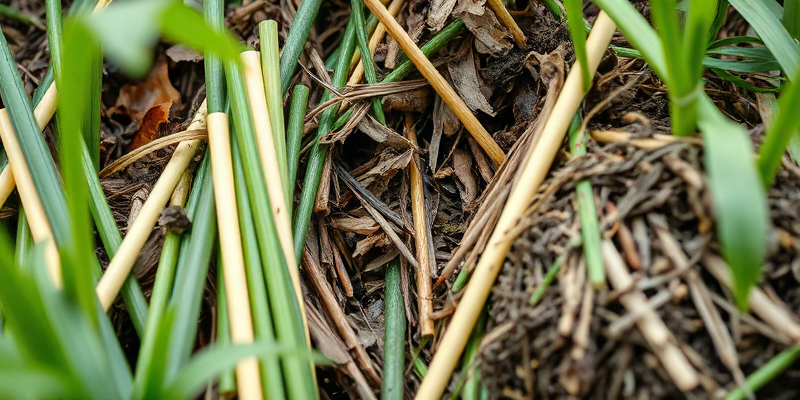
The transition to sugar cane straws delivers tangible busines advantages beyond regulatory compliance. Forward-thinking operations are discovering these benefits translate to improved performance acros multiple metrics.
### Percepción de marca mejorada
Consumer research from McKinsey & Company reveals that 66% of all consumers—and 75% of millennials—consider sustainability when making purchasing decisions. By prominently featuring your use of sugar cane straws in marketing materials and on-premise signage, you signal authentic environmental commitment. Unlike greenwashing with misleading “biodegradable” plastic alternatives, sugar cane straws represent genuine sustainability that increasingly sophisticated consumers recognize and reward with loyalty.
### Operational Efficiency
Sugar cane straws eliminate the practical problems that plague other alternatives. The Houston-based restaurant chain Coastal Kitchen reported a 22% reduction in customer complaints after switching from paper straws to sugar cane alternatives. Their operational waste decreased significantly as staff no longer needed to replace soggy straws mid-service, and drink remakes due to straw failure virtually disappeared.
### Estabilización de costos
Si bien el costo unitario de las pajitas de caña de azúcar puede ser marginalmente más alto que el del plástico convencional, brindan protección contra los crecientes impuestos al plástico y los recargos por eliminación. En regiones con prohibiciones de plástico, las empresas enfrentan sanciones que promedian $300 por infracción. Además, las oportunidades de personalización y compras al por mayor permiten economías de escala que reducen la diferencia de precio a unos centavos por unidad.
### Resistencia a la humedad
A diferencia de las alternativas al papel que se deterioran rápidamente en ambientes húmedos, las pajitas de caña de azúcar mantienen su integridad en climas tropicales y entornos con alta humedad. Esto los hace particularmente valiosos para empresas que operan en regiones costeras, parques acuáticos o lugares al aire libre donde la humedad es un desafío constante.
Discover humidity-resistant options for tropical hospitality settings that maintain integrity in challenging environments.
Impacto ambiental: por qué ganan las pajitas de caña de azúcar
The environmental advantages of sugar cane straws extend well beyond simply replacing plastic. Their entire lifecycle represents a circular economy model with cascading benefits.
Sugar cane, a rapidly renewable resource, captures carbon during growth that offsets emissions during production. According to the Sustainable Packaging Coalition, each ton of sugar cane bagasse (the fibrous byproduct used in straw manufacturing) repurposed for products like straws prevents approximately 1.6 tons of CO2 from entering the atmosphere compared to petroleum-based alternatives.
A diferencia del plástico convencional que persiste durante siglos, las pajitas de caña de azúcar se descomponen en 90 días en entornos naturales y entre 30 y 45 días en instalaciones comerciales de compostaje. Esta descomposición no produce residuos tóxicos ni microplásticos, solo materia orgánica que devuelve nutrientes al suelo. Según el Programa de las Naciones Unidas para el Medio Ambiente (rel=”nofollow”), esta rápida biodegradación reduce significativamente el daño a los ecosistemas marinos, donde se estima que 8 millones de toneladas métricas de plástico ingresan a los océanos anualmente.
El propio proceso de fabricación reutiliza los desechos agrícolas que de otro modo se quemarían. Al crear valor a partir de este subproducto, las pajitas de caña de azúcar ayudan a reducir los aproximadamente 30 millones de toneladas de desechos de caña de azúcar que, de otro modo, contribuirían a la contaminación del aire mediante la quema.
For businesses communicating their environmental initiatives to stakeholders, these metrics provide concrete, verifiable claims that substantiate sustainability commitments with measurable impacts rather than vague promises.
Learn more about sustainable solutions for eco-conscious businesses that deliver genuine environmental benefits.
Estudio de caso: El éxito de las pajitas de caña de azúcar en acción
The transition to sugar cane straws has yielded impressive results for businesses acros various sectors. One particularly compelling example comes from Pacific Coast Hospitality, a mid-sized hotel chain with 32 properties acros western coastal states.
In early 2022, facing impending plastic straw bans in California and Oregon, Pacific Coast’s leadership sought a solution that would work acros their diverse food and beverage operations—from poolside bars to fine dining restaurants. After testing multiple alternatives, they selected customized sugar cane straws featuring their wave logo.
The implementation proces took just 45 days, including staff training and customer communication strategy development. Within six months, they documented:
- 87% reduction in plastic waste acros all properties (equivalent to 1.2 million plastic straws annually)
- 94% positive customer feedback on the straw quality (based on satisfaction surveys)
- $42,000 in avoided plastic tax penalties in regulated municipalities
- 22% increase in social media mentions highlighting their sustainability initiatives
Perhaps most surprisingly, despite the higher unit cost compared to conventional plastic straws, their total straw-related expenses decreased by 5.7%. This was attributed to reduced waste (fewer discarded, unused straws) and elimination of compliance penalties in regulated jurisdictions.
“The customized sugar cane straws became more than just an operational solution—they’ve become a tangible representation of our brand values that guests literally hold in their hands,” noted Maria Chen, Pacific Coast’s Director of Sustainability. “The guest feedback has been overwhelmingly positive, particularly from corporate clients who share our environmental commitments.”
Find the best sugar cane straws for your B2B needs with proven succes acros various industry applications.
Preguntas frecuentes
- ¿Cuánto duran las pajitas de caña de azúcar en diferentes bebidas?
- Sugar cane straws maintain their structural integrity for 2-3 hours in most beverages, including hot drinks up to 185°F (85°C). They perform exceptionally well in cold drinks, smoothies, and alcoholic beverages where paper alternatives typically fail within 30-60 minutes. The natural fibers resist breaking down when exposed to acids in citrus drinks or alcohol, making them ideal for cocktail service.
- ¿Qué opciones de personalización están disponibles para pedidos B2B?
- Businesses can customize sugar cane straws in multiple ways: branded printing with food-safe inks, custom diameters (standard 6mm, jumbo 8mm, or bubble tea 12mm), various lengths from 5-10 inches, straight or bendable designs, and individual paper wrapping with custom printing. Minimum order quantities for customization typically start at 50,000 units, with lead times averaging 3-4 weeks.
- How should businesses store sugar cane straws?
- For optimal longevity, store sugar cane straws in their original packaging in a cool, dry place away from direct sunlight. While they’re more humidity-resistant than paper alternatives, extremely humid environments (above 80% humidity) may affect their quality over time. Properly stored, they maintain quality for 24 months from production date.
- Are sugar cane straws more expensive than conventional plastic straws?
- On a pure unit cost basis, sugar cane straws typically cost 15-25% more than conventional plastic straws. However, when factoring in plastic taxation (where applicable), waste disposal surcharges, and potential non-compliance penalties, the total cost of ownership often favors sugar cane alternatives. Bulk ordering further reduces the price differential.
- Can sugar cane straws be composted in standard commercial composting facilities?
- Yes, sugar cane straws are accepted at all commercial composting facilities without special processing requirements. They typically break down within 30-45 days in commercial composting conditions and 60-90 days in home composting environments. Unlike PLA “compostable” plastics that require specific industrial facilities, sugar cane straws decompose naturally in virtually any composting setting.
- ¿Qué certificaciones deberían buscar las empresas al adquirir pajitas de caña de azúcar?
- Priority certifications include FDA approval (for food contact safety), LFGB certification (European safety standard), home compostability certification (such as TÜV Austria’s OK Compost HOME), and manufacturing facility certifications (ISO 22000 for food safety management). Additional beneficial certifications include non-GMO verification and USDA Biobased certification.
- How do sugar cane straws support corporate ESG (Environmental, Social, Governance) goals?
- Sugar cane straws contribute to multiple ESG metrics: environmental (reduced carbon footprint, waste reduction, biodiversity protection through reduced plastic pollution), social (supporting agricultural communities where sugar cane is grown, improved customer perception), and governance (regulatory compliance, transparent supply chain). Many companies now include their transition to sustainable alternatives like sugar cane straws in their annual sustainability reporting.