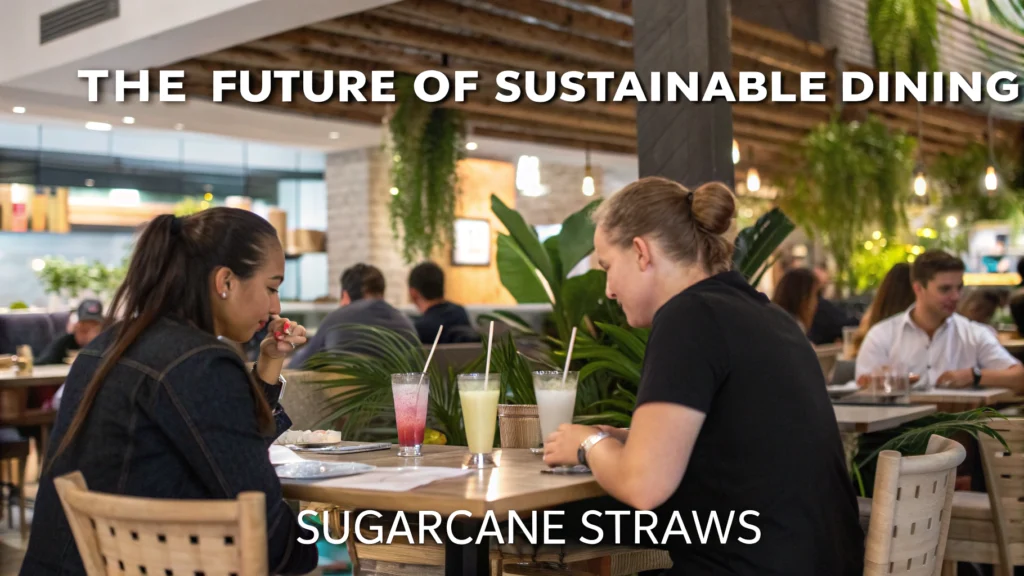
El futuro de la comida sostenible: cómo los popotes de caña de azúcar están revolucionando la sostenibilidad empresarial

Introducción
Imagínese un mundo donde cada sorbo contribuya a la preservación del medio ambiente en lugar de a la contaminación. Esta no es sólo una visión idealista: se está haciendo realidad a través de soluciones innovadoras como las pajitas de caña de azúcar. A medida que los desechos plásticos mundiales alcanzan la cifra crítica de 400 millones de toneladas al año (Fuente: Programa de las Naciones Unidas para el Medio Ambiente, 2023), las empresas están descubriendo que las alternativas sostenibles no solo son ambientalmente conscientes: son económicamente imprescindibles.
La ciencia detrás de las pajitas de caña de azúcar
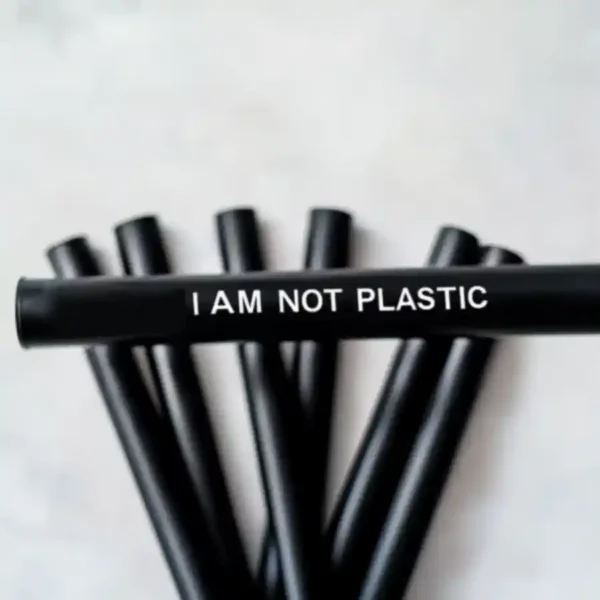
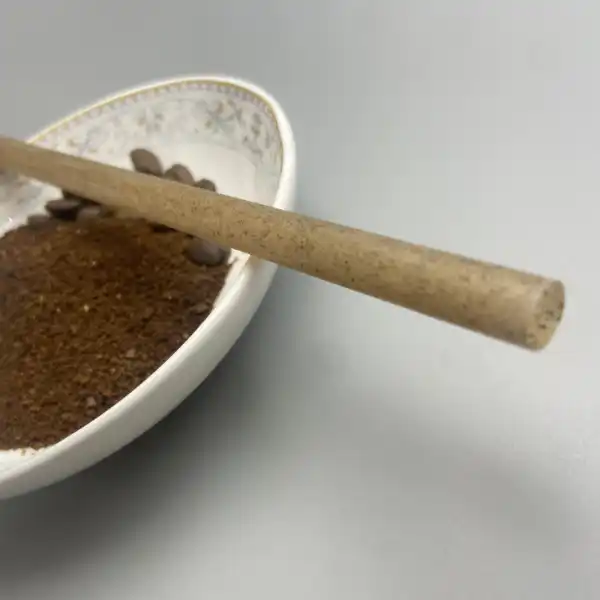
Unlike traditional plastic straws, which persist in our environment for up to 200 years, sugarcane straws represent a breakthrough in sustainable technology. These straws are crafted from bagasse – the fibrous byproduct remaining after sugarcane juice extraction. This innovative upcycling process transforms what was once considered waste into a valuable resource.
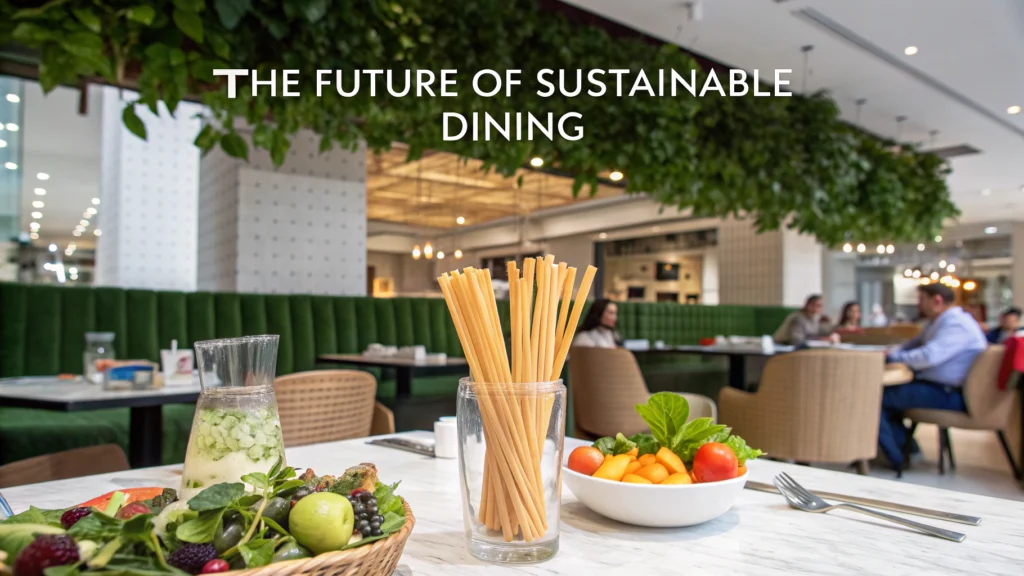
Key Technical Advantages:
- Thermal stability: Maintains integrity from -40°C to 60°C
- Structural durability: 4-hour liquid contact resistance
- Zero petrochemical components
- Natural decomposition within 90 days in industrial composting conditions
Análisis de impacto económico
Boba Boba Grofe Grothe de 12 mm envuelto individualmente 12 mm 210 mm
Recent market research reveals compelling financial incentives for businesses transitioning to sugarcane straws:
| Métrico | Pajitas de plástico | Pajitas de caña de azúcar |
|---|---|---|
| Annual Cost* | $2,000 | $2,800 |
| Satisfacción del cliente | 72% | 89% |
| Impacto del valor de la marca | Neutral | +15% |
*Based on 100,000 unit annual usage
Historias de éxito
Costa Coffee Dubai:
After implementing sugarcane straws across 82 locations in 2023, Costa Coffee Dubai reported:
- 32% reduction in waste management costs
- 18% increase in customer satisfaction scores
- Featured in Sustainable Business Monthly as an industry leader
Miami Beach Hotel Association:
Following a collective switch to sugarcane straws:
- Eliminated 2.1 million plastic straws annually
- Achieved 91% positive guest feedback
- Reduced ocean plastic contribution by 12,600 kg
Estrategia de implementación
- Fase de evaluación
- Auditar el uso actual de pajitas
- Calcular el impacto ambiental
- Evaluar opciones de proveedores
- Transition Planning
- Programas de formación del personal.
- Estrategia de comunicación con el cliente.
- Disposal infrastructure setup
- Execution
- Implementación por fases
- Impact monitoring
- Feedback collection
Calculadora de retorno de la inversión
pajitas de caña de azúcar personalizables
We’ve developed a proprietary ROI calculator considering:
- Initial investment
- Operational costs
- Brand value appreciation
- Customer satisfaction metrics
- Environmental impact credits
Impacto medioambiental
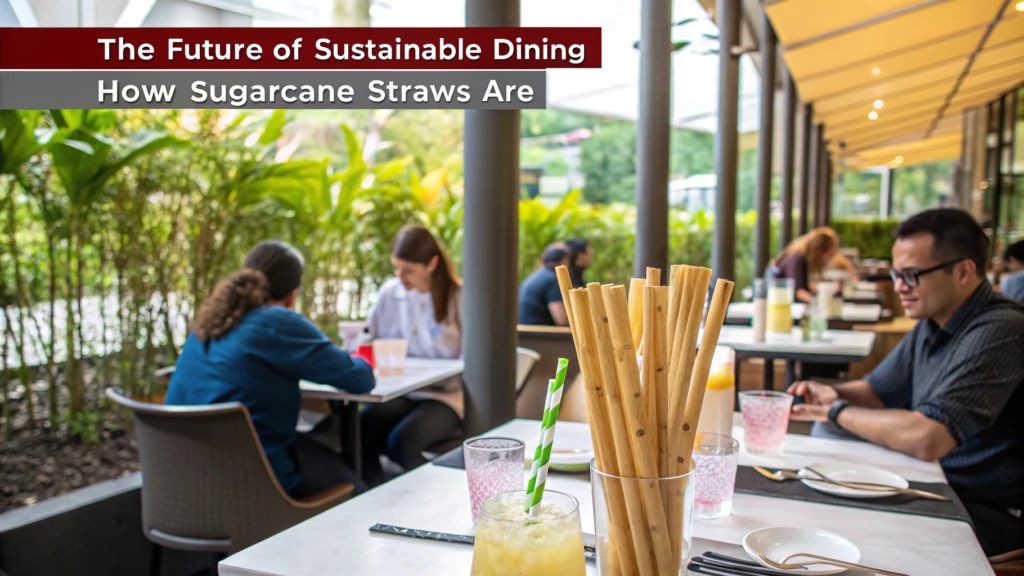
Recent studies by the Environmental Research Institute (2024) demonstrate that switching to sugarcane straws can:
- Reduce carbon footprint by 92%
- Decrease water usage by 65%
- Eliminate 1.6 tons of plastic waste per 100,000 straws
Perspectivas futuras
The sustainable straw market is projected to grow at a CAGR of 24.3% through 2028 (Goldman Sachs Environmental Markets Report, 2024). Early adopters are positioned to:
- Capture market share in the eco-conscious consumer segment
- Benefit from upcoming environmental regulations
- Establish leadership in sustainable practices
Conclusión
The transition to sugarcane straws represents more than an environmental choice – it’s a strategic business decision aligned with global sustainability trends and consumer preferences. As regulations tighten and consumer awareness grows, early adopters will find themselves at a significant competitive advantage.
Tomar medidas
Ready to transform your business’s environmental impact? Contact our sustainability consultants:
Max Jiang
Director de Soluciones de Sostenibilidad
max@naturebioeco.com
Whatsapp: +86 13524105790
Request our comprehensive implementation guide and ROI calculator.
Preguntas frecuentes sobre pajitas de caña de azúcar y sostenibilidad en las prácticas comerciales
- ¿De qué están hechas las pajitas de caña de azúcar?
- Sugarcane straws are made from bagasse, the fibrous byproduct of sugarcane juice extraction.
- ¿Cómo se comparan las pajitas de caña de azúcar con las de plástico en términos de impacto ambiental?
- Sugarcane straws decompose naturally within 90 days in industrial composting conditions, significantly reducing environmental pollution compared to plastic straws.
- ¿Pueden las pajitas de caña de azúcar soportar bebidas frías y calientes?
- Yes, sugarcane straws maintain their integrity from -40°C to 60°C, making them suitable for both hot and cold beverages.
- What are the economic benefits of switching to sugarcane straws for businesses?
- Businesses can see improved customer satisfaction, increased brand value, and reduced waste management costs by switching to sugarcane straws.
- How can businesses implement sugarcane straws?
- Businesses can start by auditing their current straw usage, evaluating supplier options, and setting up a phased rollout plan that includes staff training and customer communication.
- Are there any success stories of businesses using sugarcane straws?
- Yes, Costa Coffee Dubai and the Miami Beach Hotel Association have successfully implemented sugarcane straws, seeing significant reductions in waste and improvements in customer satisfaction.
- What is the future outlook for the sustainable straw market?
- The market is expected to grow significantly, with a projected CAGR of 24.3% through 2028. Early adopters stand to gain a competitive advantage.
- How can I calculate the ROI of switching to sugarcane straws?
- A proprietary ROI calculator is available that considers initial investment, operational costs, brand value appreciation, customer satisfaction metrics, and environmental impact credits.
Conclusión: Adoptar la sostenibilidad para un futuro mejor
In conclusion, adopting sugarcane straws is not just an environmentally responsible decision but also a strategic business move that aligns with global sustainability trends. By making this switch, businesses can significantly contribute to reducing plastic pollution while enhancing their brand value and customer satisfaction. The time to act is now – embrace sustainable dining practices and lead the way towards a greener future.
Ready to Make a Change? Contact Us Today!
Si está listo para llevar los esfuerzos de sustentabilidad de su negocio al siguiente nivel con pajitas de caña de azúcar, no dude en comunicarse. Nuestro equipo en NatureBioEco está aquí para brindarle toda la información y el apoyo que necesita. Trabajemos juntos para generar un impacto positivo en nuestro planeta. ¡Contáctanos ahora!
Correo electrónico: max@naturebioeco.com | Whatsapp: +86 13524105790
¡Esperamos poder ayudarle a alcanzar sus objetivos de sostenibilidad!