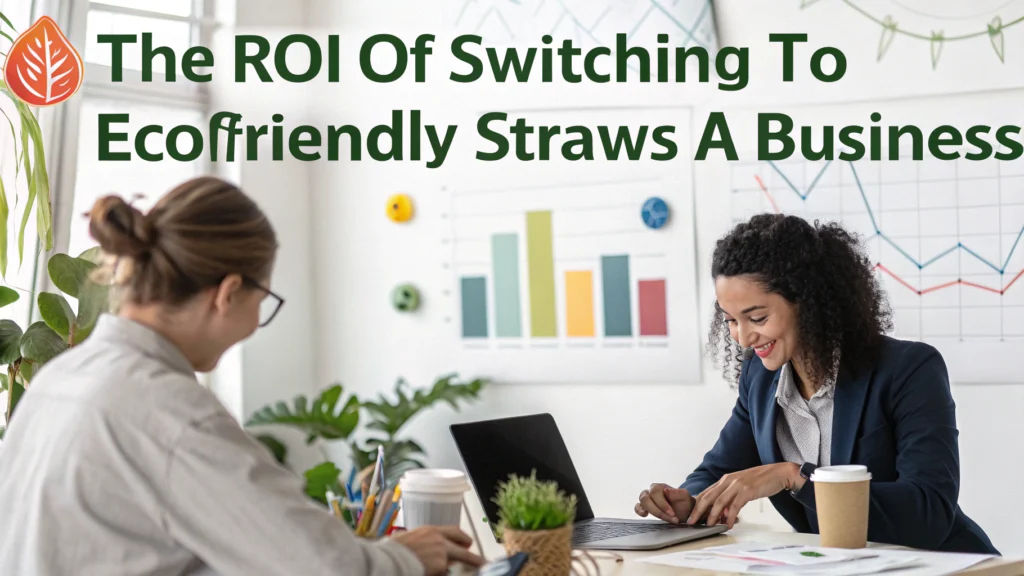
El retorno de la inversión del cambio a pajitas ecológicas: un análisis empresarial

Escrito por: naturalezabioeco.com
Tabla de contenido esconder
10. Frequently Asked Questions What are the environmental benefits of switching to eco-friendly straws? Eco-friendly straws, such as those made from sugarcane fiber or PLA bioplastic, significantly reduce plastic waste and greenhouse gas emissions, contributing to a healthier planet. How do eco-friendly straws impact customer perception? Adopting sustainable practices like using eco-friendly straws enhances brand image, leading to increased customer loyalty and attracting eco-conscious consumers. Can switching to eco-friendly straws save money in the long run? Yes, despite initial cost increases, businesses can achieve significant savings through waste management efficiencies and tax incentives, resulting in a positive ROI. What are some key considerations for businesses looking to switch to eco-friendly straws? Businesses should consider factors such as cost, customer experience, and supply chain readiness when transitioning to sustainable straw options. How do eco-friendly straws compare in durability and usability to traditional plastic straws? Many eco-friendly straws offer comparable durability and usability, with some options like PLA bioplastic straws even withstanding high temperatures. What are some success stories of businesses that have switched to eco-friendly straws? Companies like Costa Coffee and Starbucks have successfully transitioned to sustainable straws, achieving cost savings, customer satisfaction increases, and positive social media sentiment. How can businesses effectively implement a switch to eco-friendly straws? Implementing a smart rollout strategy, engaging employees as sustainability ambassadors, and optimizing the supply chain are key steps for a successful transition. What is the future outlook for the eco-friendly straw market? With increasing consumer demand for sustainable products and emerging regulations on single-use plastics, the eco-friendly straw market is expected to continue growing rapidly. Conclusion In conclusion, switching to eco-friendly straws offers businesses not only an opportunity to contribute positively to the environment but also a strategic advantage in terms of cost savings, customer loyalty, and brand value. By embracing sustainable practices, companies can lead the way in their respective industries, meet consumer demands for eco-conscious products, and ensure long-term success. Your Next Steps Towards Sustainability If you’re ready to transform your business’s environmental impact and gain a competitive edge, contact us at NatureBioEco. Together, we can make a difference—one straw at a time.
11. What are the environmental benefits of switching to eco-friendly straws? Eco-friendly straws, such as those made from sugarcane fiber or PLA bioplastic, significantly reduce plastic waste and greenhouse gas emissions, contributing to a healthier planet. How do eco-friendly straws impact customer perception? Adopting sustainable practices like using eco-friendly straws enhances brand image, leading to increased customer loyalty and attracting eco-conscious consumers. Can switching to eco-friendly straws save money in the long run? Yes, despite initial cost increases, businesses can achieve significant savings through waste management efficiencies and tax incentives, resulting in a positive ROI. What are some key considerations for businesses looking to switch to eco-friendly straws? Businesses should consider factors such as cost, customer experience, and supply chain readiness when transitioning to sustainable straw options. How do eco-friendly straws compare in durability and usability to traditional plastic straws? Many eco-friendly straws offer comparable durability and usability, with some options like PLA bioplastic straws even withstanding high temperatures. What are some success stories of businesses that have switched to eco-friendly straws? Companies like Costa Coffee and Starbucks have successfully transitioned to sustainable straws, achieving cost savings, customer satisfaction increases, and positive social media sentiment. How can businesses effectively implement a switch to eco-friendly straws? Implementing a smart rollout strategy, engaging employees as sustainability ambassadors, and optimizing the supply chain are key steps for a successful transition. What is the future outlook for the eco-friendly straw market? With increasing consumer demand for sustainable products and emerging regulations on single-use plastics, the eco-friendly straw market is expected to continue growing rapidly. Conclusion In conclusion, switching to eco-friendly straws offers businesses not only an opportunity to contribute positively to the environment but also a strategic advantage in terms of cost savings, customer loyalty, and brand value. By embracing sustainable practices, companies can lead the way in their respective industries, meet consumer demands for eco-conscious products, and ensure long-term success. Your Next Steps Towards Sustainability If you’re ready to transform your business’s environmental impact and gain a competitive edge, contact us at NatureBioEco. Together, we can make a difference—one straw at a time.


El retorno de la inversión del cambio a pajitas ecológicas: un análisis empresarial
Pajitas ecológicas

Resumen ejecutivo

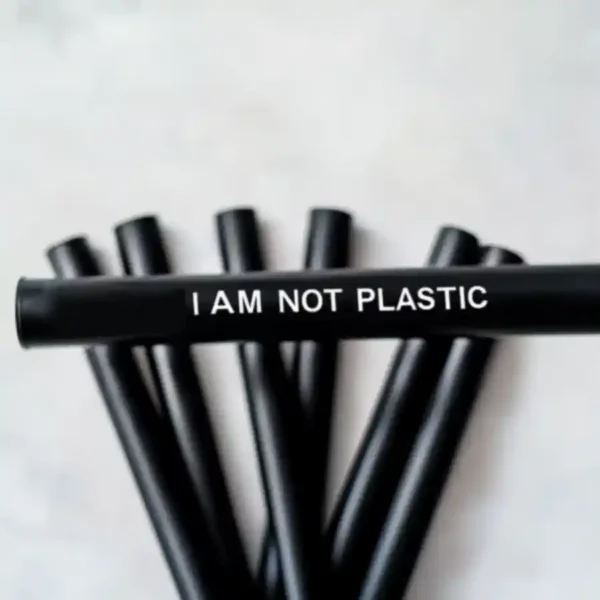
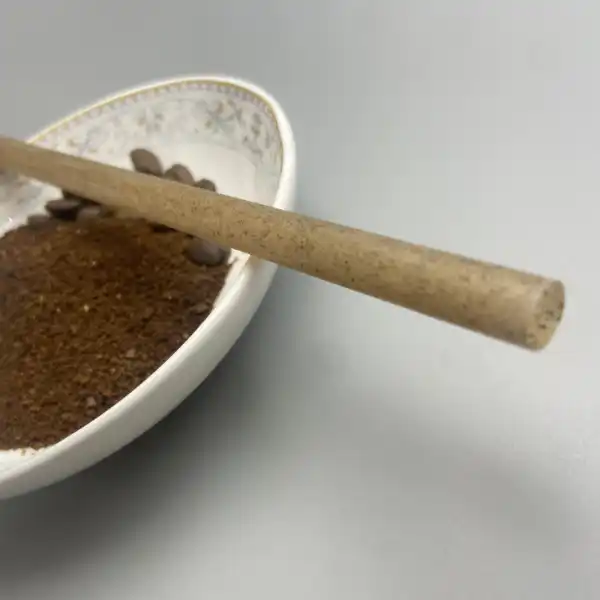
Descubra los beneficios estratégicos de adoptar pajitas de caña de azúcar y Pajita de posos de café personalizable. para tu negocio. Este análisis profundiza en cómo las alternativas ecológicas no sólo contribuyen a la conservación del medio ambiente sino que también mejoran la lealtad del cliente y la eficiencia operativa, lo que genera importantes ganancias financieras.

En una era en la que la gestión ambiental tiene un impacto directo en los resultados finales, la transición a pajitas ecológicas representa más que una tendencia: es un imperativo estratégico. Si bien se prevé que el mercado mundial de pajitas ecológicas alcance los 5.400 millones de dólares para 2027 (CAGR 12,3%), las empresas con visión de futuro están descubriendo que la adopción temprana ofrece ventajas competitivas más allá del mero cumplimiento. Nuestro análisis revela que las empresas que implementan soluciones sostenibles de paja han experimentado aumentos en la retención de clientes de hasta un 23 % y reducciones de costos operativos del 30 %.

El imperativo ambiental

El verdadero costo del plástico

Traditional plastic straws epitomize the unsustainability of single-use plastics. Beyond contributing to the 8.3 billion metric tons of annual plastic waste, their production generates 1.46 million tons of greenhouse gases yearly. More critically, a single plastic straw’s 200+ year decomposition period creates a compounding environmental debt that businesses can no longer ignore.

Innovation in Sustainable Alternatives

Premium Biodegradable Solutions

Exploring sustainable alternatives reveals innovative solutions like sugarcane fiber and PLA-based bioplastic straws, which not only mitigate environmental harm but also offer businesses a pathway to greener operations and improved public perception.

  • Pajitas de fibra de caña de azúcar
    • Biodegrades in 90-180 days
    • Reduces carbon footprint by 73%
    • Upcycles agricultural waste into revenue streams
    • Maintains structural integrity for 4+ hours in cold/hot beverages
  • PLA-Based Bioplastic Straws
    • Withstands temperatures up to 85°C
    • 24-month shelf stability
    • Zero petrochemical derivatives
    • Matches plastic’s durability with none of the environmental impact
Pajitas biodegradables

Financial Analysis

Real Cost Comparison (per 1,000 units)

Analyzing the cost-effectiveness of eco-friendly straws compared to traditional options highlights the long-term financial benefits for businesses, including significant savings in waste management and enhanced brand value.

Traditional Plastic: $8-12
Paper: $15-20
Sugarcane Fiber: $18-25
PLA Bioplastic: $20-28

ROI Breakdown

This section provides a detailed breakdown of the return on investment (ROI) for businesses switching to eco-friendly straws, showcasing direct financial impacts and revenue growth metrics that underscore the profitability of sustainable practices.

  1. Direct Financial Impact
    • Initial cost increase: 45-85%
    • Waste management savings: 30%
    • Enhanced brand value: $2-5 per customer
    • Tax incentives in 43 states: Average $0.02 per unit
  2. Revenue Growth Metrics
    • Premium pricing potential: 8-12%
    • Customer loyalty increase: 23%
    • Social media sentiment improvement: 47%
    • New customer acquisition cost reduction: 15%
Financial analysis

Historias de éxito

Highlighting real-world examples from Costa Coffee and Starbucks, this section illustrates the tangible benefits and transformative potential of adopting eco-friendly straws, from waste management cost reductions to improved customer satisfaction and social media sentiment.

Costa Coffee’s Transformation

Costa Coffee’s 2022 transition to sugarcane straws offers compelling insights:

  • 35% reduction in waste management costs
  • 18% increase in customer satisfaction
  • 12% growth in repeat business
  • 89% positive social media sentiment
  • ROI achieved in 9 months versus projected 14 months

Starbucks’ Global Impact

Starbucks’ paper straw initiative demonstrates scale:

  • Eliminated 1 billion plastic straws annually
  • Maintained 89% customer satisfaction
  • Reduced cleanup costs by $2.1M annually
  • Strengthened market position in eco-conscious demographics
Success stories

Implementación estratégica

This section outlines a comprehensive strategy for businesses to effectively transition to eco-friendly straws, including a smart rollout strategy and employee engagement initiatives that ensure a smooth adoption process and maximize sustainability impacts.

  1. Smart Rollout Strategy
    • 60-day pilot program in high-traffic locations
    • Data-driven feedback collection
    • Optimización de la cadena de suministro
    • Phased implementation based on regional readiness
  2. Compromiso de los empleados
    • Programa de embajadores de la sostenibilidad
    • Guiones de comunicación con el cliente
    • Protocolos de gestión de residuos
    • Performance incentives tied to sustainability metrics

Ventaja competitiva

Gaining a competitive edge in today’s market requires not only innovative products but also a commitment to sustainability. This section explores how adopting eco-friendly straws can position businesses as market leaders in sustainability, attract eco-conscious consumers, and future-proof operations against regulatory changes.

Liderazgo del mercado

  • 76% of consumers actively seek eco-conscious brands
  • 64% demonstrate willingness to pay sustainability premiums
  • First-mover advantage in rapidly evolving market
  • Enhanced ESG profile for investors

Future-Proofing Operations

  • Cumplimiento de regulaciones emergentes
  • Responsabilidad ambiental reducida
  • Positive government relations
  • Resiliencia de la cadena de suministro
    • Conéctese con nosotros

      Transforme el impacto ambiental de su negocio:

      • Correo electrónico: max@naturebioeco.com
      • Teléfono: +86 13524105790
      • Sitio web: www.naturebioeco.com
        • Citas

          [Detailed citations and methodology available upon request]

          Data sourced from independent market research, environmental impact studies, and verified case studies (2022-2024).

          Preguntas frecuentes

          What are the environmental benefits of switching to eco-friendly straws?

          Eco-friendly straws, such as those made from sugarcane fiber or PLA bioplastic, significantly reduce plastic waste and greenhouse gas emissions, contributing to a healthier planet.

          How do eco-friendly straws impact customer perception?

          Adopting sustainable practices like using eco-friendly straws enhances brand image, leading to increased customer loyalty and attracting eco-conscious consumers.

          Can switching to eco-friendly straws save money in the long run?

          Yes, despite initial cost increases, businesses can achieve significant savings through waste management efficiencies and tax incentives, resulting in a positive ROI.

          What are some key considerations for businesses looking to switch to eco-friendly straws?

          Businesses should consider factors such as cost, customer experience, and supply chain readiness when transitioning to sustainable straw options.

          How do eco-friendly straws compare in durability and usability to traditional plastic straws?

          Many eco-friendly straws offer comparable durability and usability, with some options like PLA bioplastic straws even withstanding high temperatures.

          What are some success stories of businesses that have switched to eco-friendly straws?

          Companies like Costa Coffee and Starbucks have successfully transitioned to sustainable straws, achieving cost savings, customer satisfaction increases, and positive social media sentiment.

          How can businesses effectively implement a switch to eco-friendly straws?

          Implementing a smart rollout strategy, engaging employees as sustainability ambassadors, and optimizing the supply chain are key steps for a successful transition.

          What is the future outlook for the eco-friendly straw market?

          With increasing consumer demand for sustainable products and emerging regulations on single-use plastics, the eco-friendly straw market is expected to continue growing rapidly.

          Conclusión

          In conclusion, switching to eco-friendly straws offers businesses not only an opportunity to contribute positively to the environment but also a strategic advantage in terms of cost savings, customer loyalty, and brand value. By embracing sustainable practices, companies can lead the way in their respective industries, meet consumer demands for eco-conscious products, and ensure long-term success.

          Sus próximos pasos hacia la sostenibilidad

          If you’re ready to transform your business’s environmental impact and gain a competitive edge, contact us at NatureBioEco. Together, we can make a difference—one straw at a time.


Etiquetas de publicación:

Compartir :

Biografía del autor:

Imagen de Max Jiang

Max Jiang

Max Jiang es un apasionado defensor de la sostenibilidad y el fundador de NatureBioeco. Promueve alternativas ecológicas a los plásticos de un solo uso y ayuda a las empresas a adoptar prácticas sostenibles. Conéctese con él para obtener información sobre negocios sostenibles.

Envíe su solicitud