
Key Benefits of Switching to Eco-Friendly Straws
- Impacto ambiental reducido: Las alternativas de paja biodegradables se descomponen naturalmente, eliminando la contaminación microplástica y protegiendo la vida marina. Las pajitas de caña de azúcar y trigo se descomponen en unas semanas si se utilizan condiciones adecuadas de compostaje. Considere evaluaciones del ciclo de vida para fortalecer las narrativas de sostenibilidad.
- Reputación de marca mejorada: Sostenible pajitas de boba demonstrate environmental commitment, attracting eco-conscious demographics. Feature these straws prominently in marketing campaigns.
- Cumplimiento normativo: Stay ahead of single-use plastic bans through proactive adoption of alternatives.
- Eficiencia de rentabilidad: Reusable stainless steel or glass straws offer long-term savings versus disposable plastics.
Comparing Plastic-Free Straw Materials
1. Paper Straws
- Ventajas: Affordable (€0.02–€0.25), available in multiple designs
- Contras: Become soggy; often use unsustainable wood pulp
- Mejor para: Short-term events needing cost-effective solutions
2. Sugarcane Straws
- Ventajas: Home-compostable, temperature-resistant
- Contras: Limited regional availability
- Mejor para: Zero-waste restaurants with composting partners
3. Pajitas de bambú
- Ventajas: Estética natural, reutilizable
- Contras: Requires meticulous drying
- Mejor para: Eco-resorts with rustic branding
4. Stainless Steel & Pajitas de vidrio
- Ventajas: Lifetime durability, easy cleaning
- Contras: Higher upfront cost (€2–€10)
- Mejor para: Dine-in cafés offering reuse incentives
5. Silicone Straws
- Ventajas: Flexible, child-safe
- Contras: Limited recycling, potential BPA risks
- Mejor para: Households prioritizing safety

6. PLA (Bioplastic) Straws
Ventajas: Industrial compostability with plastic-like durability
Contras: Frequent misidentification as regular plastic
Mejor para: Large venues needing disposable solutions. Source certified compostable sugarcane straws with clear disposal labels.
Actionable Insights for Businesses
-
1. Audit Your Needs
Analyze drink types, customer demographics, and waste infrastructure before material selection.
-
2. Source Responsibly
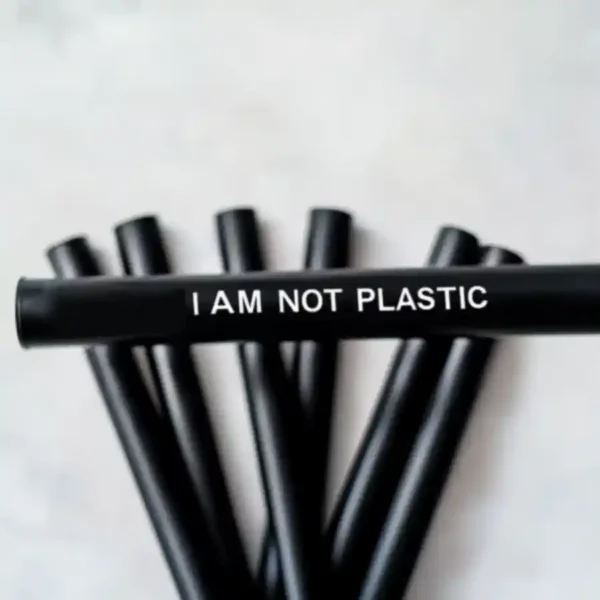
Partner with certified suppliers like #IAMPLASTICFREE for ethical supply chains.
-
3. Educate Customers
Implement training and signage to promote reusable straw adoption and sustainability messaging.

Actionable Insights for Businesses: Optimizing Straw Selection for Sustainability
With a growing segment of the market that actively seeks out businesses with strong ESG (Environmental, Social, and Governance) profiles.
3. Regulatory Compliance:
Many regions are implementing bans or taxes on single-use plastics. Proactive adoption of sustainable alternatives ensures compliance, avoids potential fines, and positions your business for future regulations. Staying ahead of the curve minimizes disruption and demonstrates responsible foresight.
4. Cost Efficiency:
While initial costs may vary, reusable options like stainless steel or glass straws offer significant long-term cost savings compared to constantly purchasing disposable plastic straws. Consider the total cost of ownership, including purchasing, disposal, and potential fines for non-compliance.
Comparing Plastic-Free Straw Materials
1. Paper Straws:
- Ventajas: Affordable (€0.02–€0.25 per unit), widely available in various colors and designs.
- Contras: Often become soggy, frequently made from unsustainable wood pulp, and may require significant quantities of water for production.
- Mejor para: Short-term events or applications where low cost is the primary concern. Consider the environmental impact of sourcing and disposal.
2. Sugarcane Straws:
- Ventajas: Home compostable, withstand hot and cold beverages without softening.
- Contras: May be less readily available than paper straws, requiring more robust supply chain management.
- Mejor para: Restaurants and businesses aiming for zero-waste initiatives and appealing to environmentally conscious customers.
3. Bamboo Straws:
- Ventajas: Natural aesthetic, reusable with proper cleaning.
- Contras: Require diligent drying to prevent mold growth, potential splinter risk, and may not be suitable for all beverages.
- Mejor para: Establishments with a rustic brand image or those targeting a specific niche market that values natural materials.
4. Stainless Steel & Pajitas de vidrio:
- Ventajas: Extremely durable (lifelong use), easy to clean, and highly reusable.
- Contras: Higher initial cost (€2–€10 per unit), less portable than disposable alternatives.
- Mejor para: Businesses offering dine-in services, cafes, or those prioritizing long-term sustainability investments.
Preguntas frecuentes
5. Silicone Straws: Flexibility and Safety Considerations
- Ventajas: Flexible, safe for children.
- Contras: Potential BPA concerns (ensure BPA-free), recycling challenges.
- Mejor para: Households or applications where flexibility and child safety are paramount. Careful consideration of sourcing and responsible disposal is crucial.
Where Safety Outranks Sustainability in Straw Selection
6. PLA (Bioplastic) Straws
- Ventajas: Mimic traditional plastic durability while being industrially compostable. Ideal for large-scale events needing cost-effective disposables.
- Contras: Often confused with conventional plastic, leading to improper disposal. Requires customer education programs to maximize environmental benefits.
Operational Efficiency Strategies for Straw Implementation
1. Comprehensive Needs Assessment
Antes de seleccionar materiales de paja, realice auditorías que cubran los tipos de bebidas (frías o calientes), los perfiles de los clientes y la infraestructura de residuos. Los restaurantes de lujo podrían dar prioridad a las pajitas de acero inoxidable, mientras que los locales de comida rápida e informal podrían elegir opciones compostables.
2. Prácticas de abastecimiento responsable
Asóciese con proveedores certificados como #IAMPLASTICFREE o Bambu para garantizar un abastecimiento ético de paja. Verificar certificaciones de sostenibilidad y solicitar documentación de impacto ambiental.
3. Tácticas de educación del cliente
Utilice carteles (“¡Nuestras pajitas de caña de azúcar se descomponen en 90 días!”), encartes en el menú y redes sociales para explicar los esfuerzos de sostenibilidad. Los cuestionarios interactivos pueden impulsar la participación.
4. Optimización de adquisiciones
Negociar precios al por mayor para pajas de trigo/junco (entre 0,07 y 0,10 euros/unidad). Analice los costos totales de propiedad, incluidas las tarifas de eliminación.
5. Integración de la gestión de residuos
Alinear los materiales de paja con las capacidades locales de compostaje/reciclaje. Etiquete claramente los contenedores de desechos para evitar la contaminación.
Preguntas frecuentes sobre pajitas sostenibles
Preguntas frecuentes
P: ¿Cómo me aseguro de que mis pajitas sean verdaderamente ecológicas?
R: Busque certificaciones como OK Compost HOME (para compostabilidad doméstica) y FSC (para materiales de origen sostenible). Estas certificaciones proporcionan verificación por parte de terceros de las afirmaciones ambientales de un producto. Sin ellos, las afirmaciones “ecológicas” pueden resultar engañosas.
P: ¿Son las pajitas compostables más caras que las de plástico?
A: While upfront costs are higher (€0.05–€0.25 vs €0.01), reusable options like stainless steel offer long-term savings through reduced repurchasing.
P: ¿Las pajitas biodegradables funcionan en bebidas calientes?
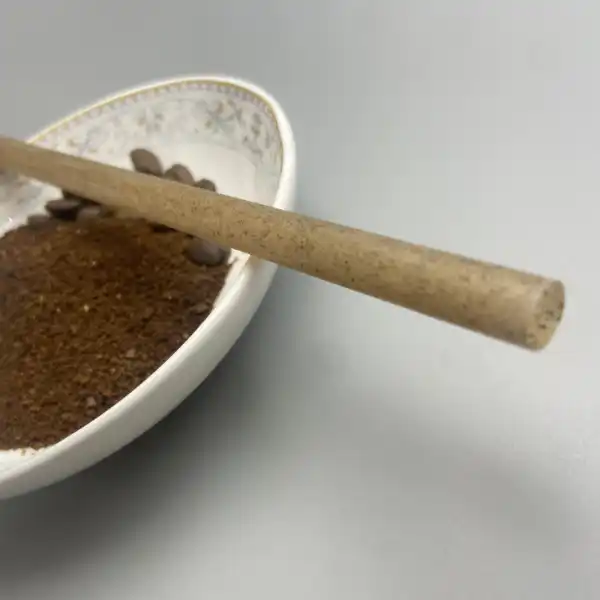
A: Certain heat-resistant biodegradable materials like #IAMPLASTICFREE’s wood-based straws maintain integrity in hot beverages—always check manufacturer specifications.
Q: How do I verify straw eco-friendliness?
A: Require USDA BioPreferred or equivalent certifications. Request full lifecycle documentation from suppliers, including sourcing and disposal protocols.