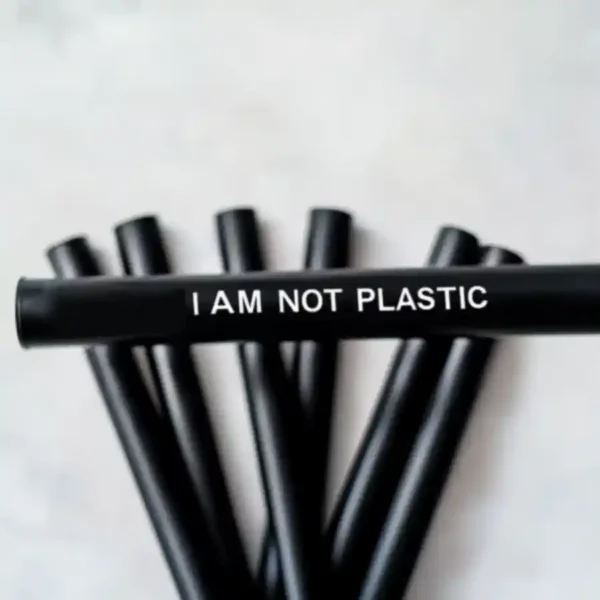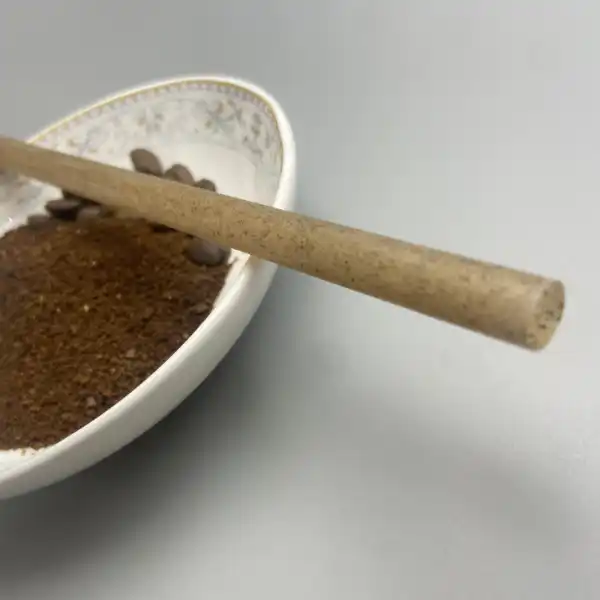
With the global shift towards sustainable alternatives replacing single-use plastics, the sustainable straw market is set to reach $8.9 billion by 2023. Sugarcane straws are gaining popularity as an ideal alternative. Understanding this market is paramount for businesses seeking to stay ahead amidst EU plastic bans and similar legislations worldwide.
Understanding the Manufacturing Process of Sugarcane Straws
- Derived from bagasse, the waste fiber of sugarcane
- Heat-compressed using natural binding agents
- Sterilized at 200°C to ensure food-grade safety
- Does not require any chemical processing
Evaluación del impacto ambiental de las pajitas de caña de azúcar
- Decomposition Rate: 90-120 days in commercial composting
- Carbon Footprint: 80% lower than plastic alternatives
- Water Usage: 60% less than paper straw production
- Agricultural Impact: Utilizes waste material, no additional farming required
Steps to Optimize Your Sugarcane Straw Sourcing
1. Understand the Certification Requirements
Learn More About Our Sustainable Straw Solutions
Descubra más sobre nuestras soluciones de paja sostenible
Key Certifications Required:
- FDA Registration (for US market)
- ISO 22000 (Food safety)
- HACCP Certification
- Compostability Certification (EN13432 or ASTM D6400)
Additional Valuable Certifications:
- FSC Chain of Custody
- Organic Materials Review Institute (OMRI) Listed
- Non-GMO Verification


2. Determine Quality Benchmarks
| Parámetro | Industry Standard | Premium Quality |
|---|---|---|
| Tensile Strength | >15N | >20N |
| Resistencia al calor | 40°C | 60°C |
| Usage Duration | 2-3 horas | 4+ horas |
| Duración | 24 months | 36 months |
3. Carry Out Comprehensive Supplier Analysis
Premium Tier 1 Suppliers
| Supplier | Manufacturing Capacity | Quality Score | Sustainability Rating |
|---|---|---|---|
| EcoFiber Solutions | 50M/month | 98/100 | A+ |
| GreenTech Straws | 30M/month | 96/100 | A |
| SustainaPack | 25M/month | 95/100 | A |
Mid-Range Tier 2 Suppliers
| Supplier | Manufacturing Capacity | Quality Score | Sustainability Rating |
|---|---|---|---|
| Hefei Hyde | 20M/month | 90/100 | B+ |
| Anhui Nature | 15M/month | 88/100 | B |
| GreenStraw | 10M/month | 85/100 | B |
4. Implement Volume Optimization
def calculate_optimal_order(monthly_usage, storage_capacity, unit_price):
    storage_cost = storage_capacity * 0.1  # $0.1 per unit storage cost
    shipping_breakpoints = {
        10000: 0.95,  # 5% discount
        50000: 0.90,  # 10% discount
        100000: 0.85  # 15% discount
    }
    # Full calculation logic (contact for custom calculator)
5. Establish a Quality Control Protocol
- Pre-Order Testing:
- Physical integrity assessment
- Liquid resistance testing (hot/cold)
- Microbial analysis
- Composting verification
- Batch Verification:
- Sample testing (1% of shipment)
- Documentation review
- Certificate validation
6. Ensure Supply Chain Security
- Maintain relationships with multiple suppliers
- Implement buffer stock systems
- Develop contingency sourcing plans
- Monitor market conditions and pricing trends
7. Adhere to Legal Compliance
- Regular audit of supplier certifications
- Documentation of sustainability claims
- Compliance with local food contact regulations
- Import/export documentation management
8. Consider Costs and Revenue Impacts
- Direct procurement costs
- Shipping and logistics
- Storage and handling
- Quality control measures
- Certification maintenance
Revenue Impacts
- Premium pricing potential
- Market differentiation value
- Customer retention benefits
- Regulatory compliance savings
9. Develop a Strategic Implementation Plan
- Initial Assessment (Week 1-2)
- Market analysis
- Volume requirements calculation
- Storage capacity evaluation
- Supplier Selection (Week 3-4)
- RFQ distribution
- Sample evaluation
- Certification verification
- Pilot Program (Week 5-8)
- Small-scale ordering
- Quality assessment
- Recopilación de comentarios de clientes
- Full Implementation (Week 9+)
- Scale-up ordering
- Monitoring and optimization
- Regular supplier reviews

10. Stay Updated with Future Trends
- Projected 300% market growth by 2028
- Emerging technology in manufacturing
- Price stabilization trends
- New certification standards development
11. Adopt Best Practices to Maximize Benefits
- Negotiation Leverage
- Bundle orders with other eco-products
- Commit to longer-term contracts
- Participate in supplier development programs
- Quality Maintenance
- Implement proper storage protocols
- Monitorear los niveles de humedad
- Rotate stock effectively
- Educación del cliente
- Develop staff training programs
- Create customer awareness materials
- Document sustainability impacts
12. Utilize Helpful Resources
- Supplier evaluation scorecard template
- Quality control checklist
- ROI calculator
- Sustainability impact tracker
We update this guide quarterly to reflect current market data and emerging trends in the sustainable straws industry.