Pajitas de caña de azúcar: soluciones B2B sostenibles para empresas con conciencia ecológica

Introducción: El amanecer del sorbo sostenible
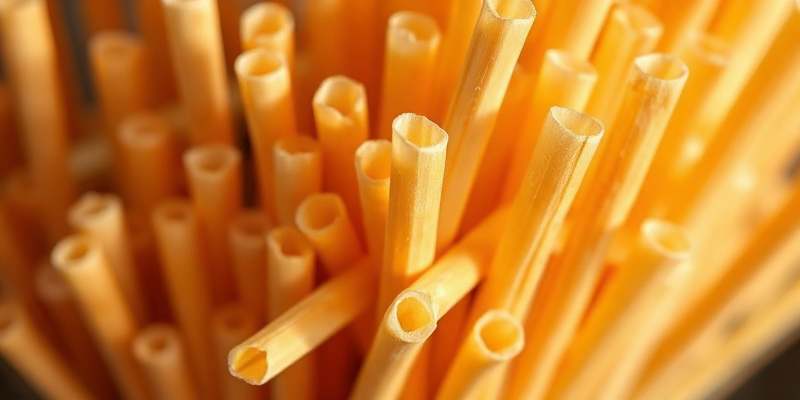
Imagínese esto: el bullicioso salón de un hotel, los clientes disfrutando de sus bebidas, sin saber por completo que las pajitas que usan seguirán en nuestro planeta dentro de 500 años. Esa pajita de plástico de un solo uso, aparentemente insignificante, es parte de los 8.300 millones de pajitas de plástico que contaminan las costas de nuestro mundo. Para los propietarios de empresas del sector hotelero, esto ya no es sólo una preocupación medioambiental; el cambio se está convirtiendo en una necesidad regulatoria e impulsada por los consumidores.
A medida que las prohibiciones del plástico se extienden por todo el mundo (desde California hasta la Unión Europea, desde Australia hasta partes de Asia), las empresas luchan por encontrar alternativas que no comprometan la calidad, la durabilidad o la experiencia del cliente. Aquí entran las pajitas de caña de azúcar: la alternativa sustentable que está revolucionando la forma en que las empresas abordan su responsabilidad ambiental.
Explore la guía completa para incorporar soluciones de bebidas sostenibles en su modelo de negocio sin sacrificar la calidad ni la satisfacción del cliente. Las pajitas de caña de azúcar representan más que un simple reemplazo; encarnan un compromiso con la sostenibilidad que los consumidores modernos exigen cada vez más de las empresas que apoyan.
El cambio global hacia alternativas sustentables no es simplemente una tendencia: es una reestructuración fundamental de las operaciones comerciales en respuesta a la urgencia ambiental. Según análisis de mercado recientes, las empresas que adoptan prácticas sostenibles ven un aumento promedio del 20% en la lealtad de los clientes, particularmente entre los consumidores millennials y de la Generación Z que priorizan la conciencia ecológica en sus decisiones de compra.
Para hoteles, restaurantes, cafeterías y otras empresas de la industria de servicios alimentarios, encontrar proveedores mayoristas de alternativas sostenibles no se trata sólo de cumplimiento: se trata de posicionar su marca como una empresa con visión de futuro y responsable con el medio ambiente. Las pajitas de caña de azúcar ofrecen el equilibrio perfecto: una funcionalidad que rivaliza con el plástico y una huella medioambiental que se alinea con sus objetivos de sostenibilidad.
Cumplimiento normativo: certificaciones que importan

Cuando se trata de artículos que entran en contacto con alimentos, como pajitas, el cumplimiento normativo no es opcional: es esencial. Pajitas de caña de azúcar que se encuentran Requisitos de la FDA para materiales en contacto con alimentos ofrecer a las empresas la tranquilidad de que su elección sostenible también prioriza la seguridad del cliente.
Según un informe de la industria de 2023, las empresas que carecen de las certificaciones adecuadas para sus materiales en contacto con alimentos enfrentan posibles multas de un promedio de $12,500 por infracción, sin mencionar el costo inconmensurable de la reputación de la marca dañada y la confianza del consumidor. Para las operaciones B2B, garantizar que sus proveedores proporcionen productos totalmente certificados no es negociable.
Las dos certificaciones más importantes en el mercado global son:
1. **Certificación FDA**: Garantiza que los materiales sean seguros para el contacto con alimentos según los estándares de EE. UU.
2. **Certificación LFGB**: Código alemán de alimentos, artículos de uso diario y piensos, considerado uno de los estándares más estrictos a nivel mundial.
Estas certificaciones no son sólo obstáculos burocráticos: representan verdaderas garantías de seguridad para sus clientes. Cuando una cadena hotelera de Miami cambió a pajitas de caña de azúcar certificadas, destacó de manera destacada su estado de cumplimiento con la FDA en sus materiales de marketing, lo que resultó en aumentos mensurables en los puntajes de satisfacción del cliente y menciones positivas en las redes sociales.
Obtenga más información sobre cómo los requisitos de certificación afectan sus elecciones de paja sustentable y cómo aprovechar adecuadamente estas credenciales en sus comunicaciones de marketing.
Para las empresas internacionales, navegar estos requisitos regulatorios en diferentes mercados puede resultar complejo. Trabajar con proveedores establecidos que entienden los estándares de cumplimiento global simplifica considerablemente este proceso, permitiéndole concentrarse en lo más importante: administrar su negocio mientras toma decisiones sustentables con confianza.
Cómo se comparan las pajitas de caña de azúcar con otras alternativas ecológicas

El mercado de la paja ecológica se ha disparado con opciones: papel, PLA (a base de maíz), bambú, metal, vidrio y, por supuesto, caña de azúcar. Cada alternativa tiene su propio conjunto de ventajas y limitaciones que los propietarios de empresas deben considerar.
| Alternativa | Durabilidad | Rentabilidad | Sostenibilidad | Experiencia del cliente |
|---|---|---|---|---|
| ———— | ———— | ——————- | ————— | ———————— |
| Caña de azúcar | ★★★★☆ (4-6 horas en líquido) | ★★★★☆ (precios competitivos al por mayor) | ★★★★★ (Compostable casero, biodegradable) | ★★★★★ (Sensación natural, sin transferencia de sabor) |
| Papel | ★★☆☆☆ (30-60 minutos antes de ablandar) | ★★★☆☆ (Menor costo unitario, mayor tasa de reemplazo) | ★★★★☆ (Reciclable, menos energía para producir) | ★★☆☆☆ (Se suaviza rápidamente, afecta la experiencia de beber) |
| PLA/maíz | ★★★★☆ (Similar al plástico) | ★★★☆☆ (Moderado) | ★★☆☆☆ (Requiere compostaje industrial) | ★★★★☆ (Similar al plástico) |
| Bambú | ★★★★★ (Muy duradero) | ★★☆☆☆ (Mayor costo inicial) | ★★★★☆ (Natural, renovable) | ★★★☆☆ (El sabor natural puede transferirse) |
| Metal/Vidrio | ★★★★★ (Reutilizable indefinidamente) | ★☆☆☆☆ (Mayor inversión inicial, requiere lavado) | ★★★☆☆ (Producción intensiva en recursos) | ★★☆☆☆ (Conducción de temperatura, sensibilidad dental) |
Según un Informe del PNUMA sobre alternativas al plástico, las empresas que cambian a alternativas vegetales como la caña de azúcar pueden reducir su huella de carbono hasta en un 80% en comparación con los plásticos tradicionales. Esta importante reducción hace que las pajitas de caña de azúcar sean particularmente atractivas para empresas con objetivos de sostenibilidad establecidos o metas de reducción de carbono.
Descubra qué opción de paja sostenible se adapta mejor a su modelo de negocio y a las expectativas de sus clientes. a través de nuestro análisis integral de las alternativas del mercado.
Para los cafés y cafeterías, el factor de durabilidad es particularmente crucial: las pajitas de caña de azúcar mantienen su integridad en bebidas calientes por mucho más tiempo que las alternativas de papel, lo que genera una mayor satisfacción del cliente y menos quejas sobre fallas en las pajitas a mitad de bebida. Una cadena de cafés especiales en Portland informó un 73 % menos de quejas relacionadas con las pajitas después de cambiar de papel a pajitas de caña de azúcar, lo que demuestra los beneficios operativos tangibles más allá del impacto ambiental.
Principales beneficios comerciales al cambiar a pajitas de caña de azúcar
El cambio a pajitas de caña de azúcar ofrece múltiples ventajas comerciales que van mucho más allá del simple cumplimiento medioambiental:
### 1. Percepción de marca mejorada
Las empresas que adoptan de forma proactiva prácticas sostenibles informan una mejora del 42 % en las puntuaciones de percepción de la marca entre los consumidores conscientes del medio ambiente. Esto se traduce directamente en la lealtad del cliente y en el marketing boca a boca positivo. Cuando sus clientes lo ven usando pajitas de caña de azúcar, comunica un compromiso con la sostenibilidad que se extiende más allá del mero lavado verde.
### 2. Cumplimiento normativo y preparación para el futuro
Con prohibiciones de pajitas de plástico ya implementadas en más de 30 países y cientos de ciudades en todo el mundo, cambiar de manera proactiva evita interrupciones cuando inevitablemente llegan nuevas regulaciones a su región. Este enfoque con visión de futuro protege sus operaciones de requisitos de cumplimiento repentinos y costos asociados.
### 3. Sostenibilidad rentable
Si bien el costo unitario de las pajitas de caña de azúcar puede ser ligeramente mayor que el del plástico convencional (normalmente entre 2 y 3 centavos más por unidad), Las pajitas de caña de azúcar al por mayor brindan una solución rentable para las empresas al tener en cuenta el valor de marketing, la buena voluntad del cliente y los beneficios del cumplimiento normativo. Los descuentos por volumen pueden reducir significativamente esta diferencia de precios, convirtiéndola en una decisión financiera inteligente.
### 4. Oportunidades de personalización
Las pajitas de caña de azúcar de marca personalizada ofrecen oportunidades de marketing únicas que el plástico tradicional nunca podría ofrecer. Al aprovechar la historia de sostenibilidad detrás de sus pajitas a través de impresiones o empaques personalizados, transforma un artículo utilitario en un tema de conversación que refuerza el compromiso ambiental de su marca.
Una cadena de complejos turísticos de lujo que implementó pajitas de caña de azúcar de marca informó que el 68 % de los huéspedes mencionaron las pajitas sostenibles en sus reseñas posteriores a la estadía, creando contenido orgánico en las redes sociales y asociaciones positivas de marca con un costo adicional mínimo.
Impacto ambiental: por qué ganan las pajitas de caña de azúcar
Las credenciales medioambientales de las pajitas de caña de azúcar van mucho más allá de simplemente no ser “plásticas”. Estas pajitas representan un enfoque holístico de la sostenibilidad que las hace particularmente atractivas para las empresas conscientes del medio ambiente.
Las pajitas de caña de azúcar se descomponen en un plazo de 90 a 180 días en condiciones de compostaje doméstico, en comparación con los más de 500 años estimados para las pajitas de plástico. Esto representa una mejora del 1.000.000% en el impacto ambiental al final de su vida útil. Aún más impresionante es que el cultivo de caña de azúcar captura carbono durante el crecimiento, lo que convierte a estas pajitas en una de las alternativas disponibles con mayor eficiencia de carbono.
Las investigaciones basadas en evaluaciones de impacto ambiental muestran que reemplazar 1 millón de pajitas de plástico con alternativas a la caña de azúcar evita que entre 8 y 12 toneladas métricas de CO2 equivalente entren a la atmósfera. En perspectiva, eso equivale aproximadamente a sacar de circulación 2 o 3 automóviles durante un año entero, sólo con pajitas.
Comprenda el ciclo de vida ambiental completo de las pajitas de caña de azúcar y su impacto en sus métricas de sostenibilidad. antes de tomar su decisión de compra. Para las empresas con objetivos ESG (ambientales, sociales y de gobernanza) formalizados, las pajitas de caña de azúcar proporcionan avances mensurables hacia objetivos de sostenibilidad que pueden informarse tanto a las partes interesadas como a los clientes.
El beneficio adicional de que la caña de azúcar sea un subproducto agrícola significa que estas pajitas utilizan materiales que de otro modo se desecharían, creando un enfoque de economía circular que maximiza la eficiencia de los recursos, una historia que resuena fuertemente entre los consumidores conscientes del medio ambiente.
Estudio de caso: El éxito de las pajitas de caña de azúcar en acción
**Costa del Pacífico: La transformación de una cadena hotelera frente al mar**
Costa del Pacific, una cadena hotelera de tamaño mediano con 12 propiedades a lo largo de la costa del Pacífico, enfrentó una presión cada vez mayor tanto por parte de las regulaciones como de los huéspedes para eliminar las pajitas de plástico de sus operaciones. Con más de 500.000 pajitas utilizadas anualmente en sus propiedades, esto representó un impacto ambiental significativo y una decisión de compra sustancial.
Después de evaluar múltiples alternativas, implementaron un programa mayorista de paja de caña de azúcar en todas las propiedades en enero de 2022. Los resultados después de un año fueron notables:
- 97 % de comentarios positivos de los clientes sobre la iniciativa medioambiental y de calidad de la paja
- $42,000 en cobertura mediática obtenida a través de noticias locales sobre su compromiso con la sustentabilidad.
- 2,4 toneladas métricas de residuos plásticos eliminados de su flujo de residuos
- Reducción del 78 % en las quejas relacionadas con las pajitas en comparación con su breve prueba con pajitas de papel.
- Destacados en tres programas de premios de turismo sostenible, mejorando su posicionamiento de marca.
"La decisión de cambiar a pajitas de caña de azúcar fue impulsada inicialmente por preocupaciones de cumplimiento", explica María González, Directora de Sostenibilidad de Costa del Pacífico. "Pero ha evolucionado hasta convertirse en una de nuestras iniciativas de sostenibilidad más visibles y apreciadas. La mínima diferencia de costos se compensó en tres meses mediante mayores ventas de bebidas y relaciones públicas positivas".
Explore más historias de éxito del mundo real de empresas que implementan soluciones sostenibles de paja para comprender mejor el impacto potencial en sus operaciones.
El caso demuestra cómo un cambio operativo práctico puede generar beneficios comerciales sustanciales al mismo tiempo que se alinea con los valores ambientales y cumple con los requisitos regulatorios: la trifecta perfecta para la toma de decisiones empresariales modernas.
Preguntas frecuentes
- ¿Cómo se mantienen las pajitas de caña de azúcar en las bebidas calientes en comparación con las alternativas de papel?
- Las pajitas de caña de azúcar superan significativamente al papel en bebidas calientes, manteniendo la integridad estructural durante 4 a 6 horas incluso en líquidos calientes. Esto los hace ideales para cafeterías, cafeterías y restaurantes que sirven bebidas calientes, eliminando la queja común de los clientes de que las pajitas se disuelven a mitad de la bebida.
- ¿Qué cantidades mínimas de pedido deben esperar las empresas al comprar al por mayor?
- Los mínimos al por mayor suelen comenzar entre 5.000 y 10.000 unidades para tamaños estándar, y las ventajas de precios aumentan significativamente a partir de 25.000 unidades. Las opciones de marca personalizada generalmente requieren mínimos más altos, normalmente a partir de 25.000 unidades. Analizar la rentabilidad de diferentes volúmenes de pedidos. para optimizar su estrategia de compras.
- ¿Cómo deberían las empresas deshacerse adecuadamente de las pajitas de caña de azúcar?
- Una de las principales ventajas de las pajitas de caña de azúcar es su capacidad de compostaje en el hogar. Pueden desecharse en instalaciones comerciales de compostaje o incluso en sistemas de compostaje domésticos y se descomponen en un plazo de 90 a 180 días. Para las empresas sin programas de compostaje, aún se pueden eliminar con la basura normal y se biodegradarán mucho más rápido que las alternativas convencionales.
- ¿Se pueden personalizar las pajitas de caña de azúcar con el logotipo o la marca de nuestra empresa?
- ¡Absolutamente! Las opciones de impresión personalizadas incluyen logotipos, marcas o incluso mensajes de sostenibilidad directamente en las pajitas. Esto crea una oportunidad de marca única que transforma un artículo cotidiano en un punto de contacto de marketing que refuerza su compromiso medioambiental.
- ¿Qué certificaciones deberían buscar las empresas al adquirir pajitas de caña de azúcar?
- Las certificaciones más importantes son la aprobación de la FDA para la seguridad en contacto con alimentos y la certificación LFGB para el cumplimiento de estándares internacionales. Las certificaciones adicionales a considerar incluyen la verificación de la compostabilidad del hogar y la certificación de no OGM si eso se alinea con los valores de su marca.
- ¿Cómo afectan los popotes de caña de azúcar al sabor de las bebidas en comparación con otras alternativas?
- Las pajitas de caña de azúcar tienen un sabor neutro y no imparten sabores a las bebidas, a diferencia de algunas alternativas de bambú o papel que pueden afectar el perfil de sabor. Esto los hace particularmente adecuados para bebidas especiales donde mantener el sabor deseado es crucial.
- ¿Cuál es la vida útil de las pajitas de caña de azúcar para la planificación de inventarios?
- Cuando se almacenan en condiciones frescas y secas, las pajitas de caña de azúcar suelen tener una vida útil de 2 a 3 años sin degradarse. Esta larga vida útil permite a las empresas comprar en mayores cantidades para acceder a mejores precios sin preocuparse por el deterioro del producto.