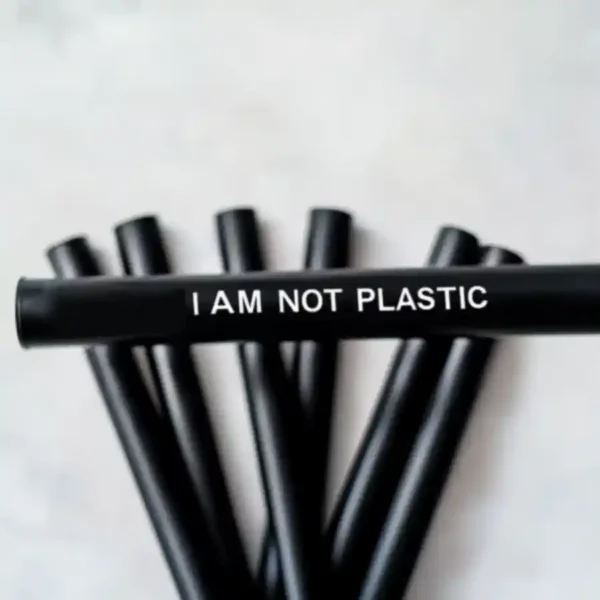

1️⃣ Sugarcane Fiber Straws
The Renewable Powerhouse
Crafted from bagasse, a byproduct of sugarcane processing, sugarcane fiber straws exemplify closed-loop sustainability:
- Compostable: These straws decompose within 90–180 días, starkly contrasting with plastic, which can take over 200 years.
- Durabilidad: They can withstand temperatures up to 85°C (185°F), making them suitable for both hot and cold beverages.
- Costo: Priced at approximately $0.03–$0.05 per unit, bulk discounts are readily available.
Mejor para: High-volume settings such as cafés and juice bars that require single-use options without sacrificing functionality.

Estudio de caso: A California resort successfully reduced its single-use plastic waste by 92% after switching to sugarcane straws, showcasing the tangible benefits of sustainable practices.
2️⃣ Bamboo Straws
Nature’s Reusable Classic
Sourced from fast-growing bamboo plants, these straws offer a unique blend of sustainability and aesthetic appeal:
- Reutilizable: With proper care, bamboo straws can last between 6 a 12 meses.
- Biodegradable: Regresan al suelo dentro 2 años, contribuyendo a una economía circular.
- Atractivo estético: Su textura natural realza la marca artesanal de las empresas con conciencia ecológica.
Solución de puntos débiles: Si bien las pajitas de bambú tradicionales requieren lavarse las manos, marcas como Bambú han introducido modelos aptos para lavavajillas con paredes reforzadas, abordando cuestiones de comodidad. pajitas 1
Mejor para: Restaurantes del campo a la mesa o eco-boutiques que priorizan la estética rústica y la sostenibilidad.
3️⃣ Paper Straws
La transición accesible
Las pajitas de papel han ganado popularidad debido a sus bajos costos iniciales, que generalmente van desde $0,01–$0,03 por unidad:
- Certificaciones: Buscar Certificado FSC/BPI opciones para garantizar la compostabilidad y el abastecimiento responsable.
- Limitaciones: Tienden a empaparse después de aproximadamente 30 minutos y debe evitarse en el caso de bebidas ácidas.
Innovation Spotlight: Aardvark’s FDA-compliant paper straws can last over 4 hours in liquids, making them a viable option for various settings.
Mejor para: Casual dining chains seeking affordable, compliant single-use solutions that align with sustainability goals.

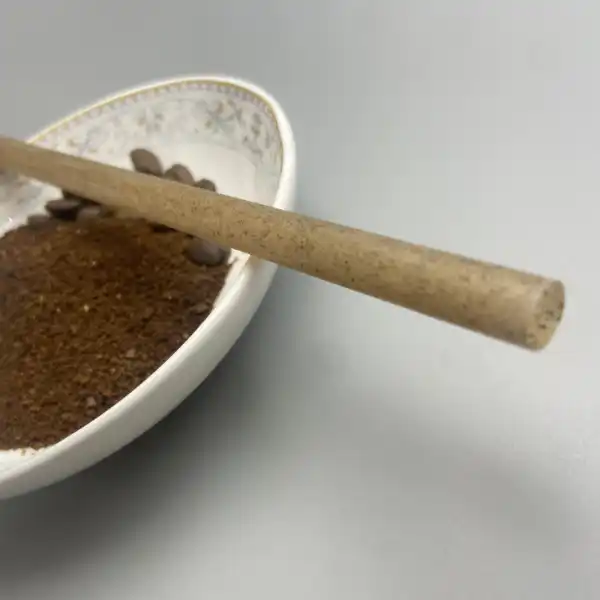
4️⃣ Coffee Ground Straws
Upcycled Innovation
These innovative straws are made from repurposed coffee waste, offering a unique sustainability narrative: from 2
- Zero-Waste Production: They utilize discarded coffee grounds from local cafés, promoting a circular economy.
- Durabilidad: Comparable to plastic straws for cold beverages, ensuring functionality without environmental harm.
- Brand Story Potential: They resonate with consumers who value sustainability and waste reduction.
Example: NatureBioEco’s coffee ground straws decompose in home compost bins within 6 meses, reinforcing their eco-friendly credentials.
Mejor para: Coffee shops and eco-resorts aiming to tell a compelling waste-to-value story.
5️⃣ Silicone Straws
Flexible Reusables
Silicone straws are soft, portable options ideal for health-conscious consumers:
- Esperanza de vida: They can last over 2 años with regular use, making them a cost-effective choice.
- Safety: Non-toxic and BPA-free, ensuring safety for all users.
- Drawbacks: They may retain odors if not cleaned properly and are non-biodegradable.
Pro Tip: Pair silicone straws with branded carrying cases to enhance customer loyalty and promote sustainable practices.
Mejor para: Fitness centers or smoothie bars targeting on-the-go clients who prioritize health and convenience. sugarcane 3

📊 Comparative Analysis: Key Metrics
| Alternativa | Costo por unidad | Esperanza de vida | Compostable? | Best Use Case |
|---|---|---|---|---|
| Fibra de caña de azúcar | $0.03–$0.05 | Single-use | Sí | High-volume dining |
| Bambú | $0.50–$1.50 | 6 a 12 meses | Sí | Artisanal dining |
| Papel | $0,01–$0,03 | Single-use | Sí | Casual dining |
| Coffee Ground | $0.04–$0.06 | Single-use | Sí | Cafés/resorts |
| Silicona | $2–$5 | 2+ years | No | Fitness/smoothie bars |
💡 Actionable Insights for Businesses
- Match Straw Type to Use Case: Choose compostable single-use options like sugarcane straws for high-turnover settings and reusable options like silicone for loyalty programs.
- Educar a los clientes: Display decomposition timelines or host “straw swap” events to engage and inform your clientele about sustainable practices.
- Leverage Bulk Buying: Suppliers such as Green Paper Products offer significant discounts on orders of 10,000+ units, making sustainability more affordable.
❓ FAQ: Addressing Key Concerns
Q: Are eco-friendly straws more expensive than plastic?
A: Initially, yes—eco-friendly options may cost 2–3 cents more per unit. However, long-term savings arise from waste reduction and enhanced customer loyalty.
Q: Do biodegradable straws work in hot drinks?
A: Yes, both sugarcane and coffee ground straws can tolerate heat up to 85°C, making them suitable for coffee and tea service.
Q: How do I ensure supply chain reliability?
A: Partner with certified suppliers like NatureBioEco, which offer trial batches before committing to bulk purchases, ensuring quality and reliability.
🌱 Transform Your Business Today
Are you ready to make the switch? Claim your FREE sample pack of sugarcane fiber and coffee ground straws from NatureBioEco—test their performance risk-free and join thousands of brands committed to reducing their plastic footprint daily.
📩 Contact Us for Free Samples ➔ ¡Mejora tu estrategia de sostenibilidad ahora!