Introducción
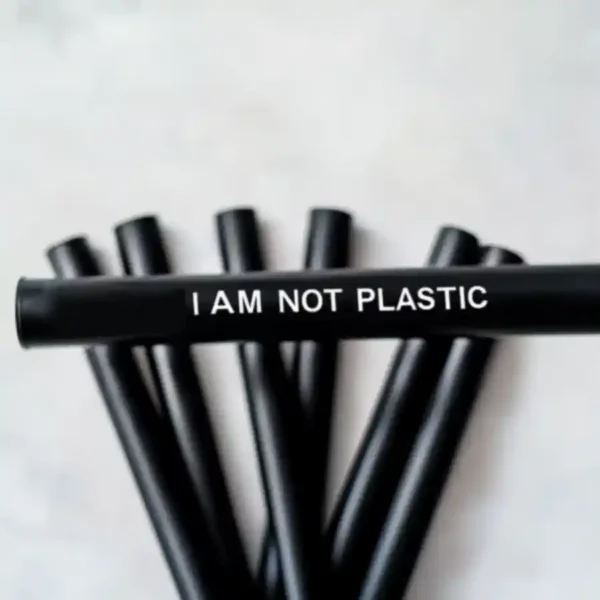
In the global pursuit of sustainability, the role of compostable materials is becoming increasingly crucial. When disposed of correctly, these materials can significantly contribute to waste reduction and foster a circular economy. This comprehensive guide explores the importance of compostable materials, their benefits, and their impact on sustainability.
Decoding Compostability
Compostable materials are those that decompose in compost conditions within a specific timeframe, transforming into nutrient-rich soil[^1^]. This process distinguishes them from biodegradable materials, which merely disintegrate into smaller fragments over time without necessarily enriching the soil[^2^].
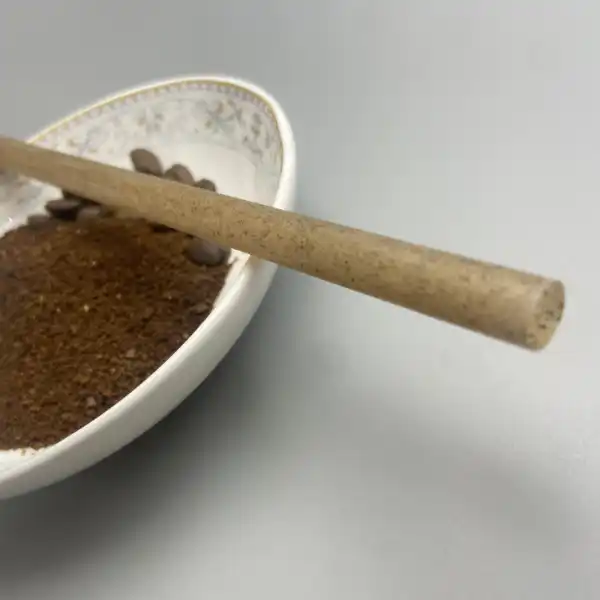
Common examples of compostable materials encompass food scraps, yard waste, paper, and specific types of packaging materials, including compostable plastics[^3^].
Environmental Advantages of Compostable Materials
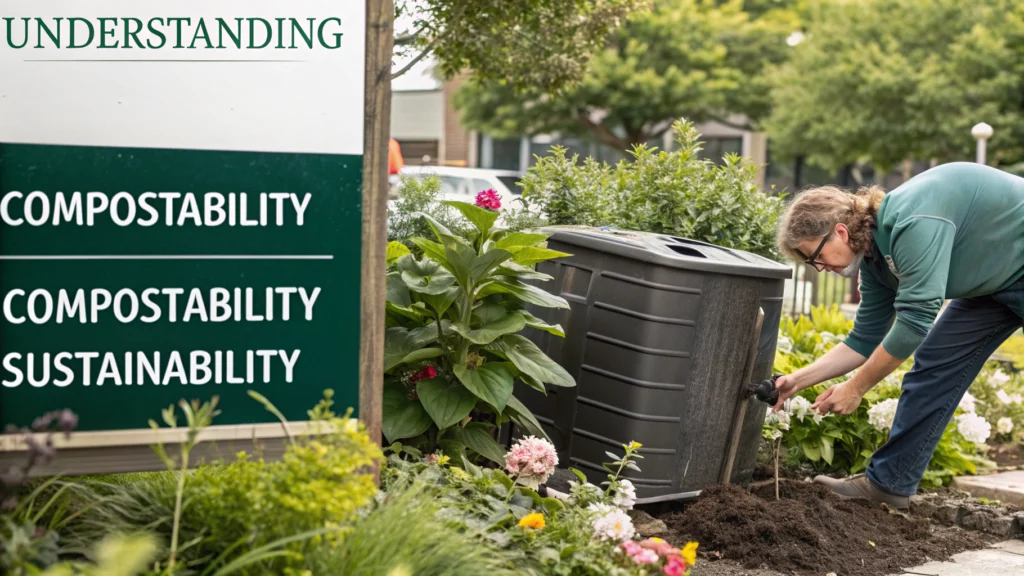
Compostable materials offer substantial environmental benefits. They aid in reducing landfill waste and curbing the emission of methane, a potent greenhouse gas[^4^]. Additionally, compostable materials facilitate a circular economy by converting waste into a valuable resource, enriching soil, and supporting plant growth[^5^].
Composting: A Detailed Process
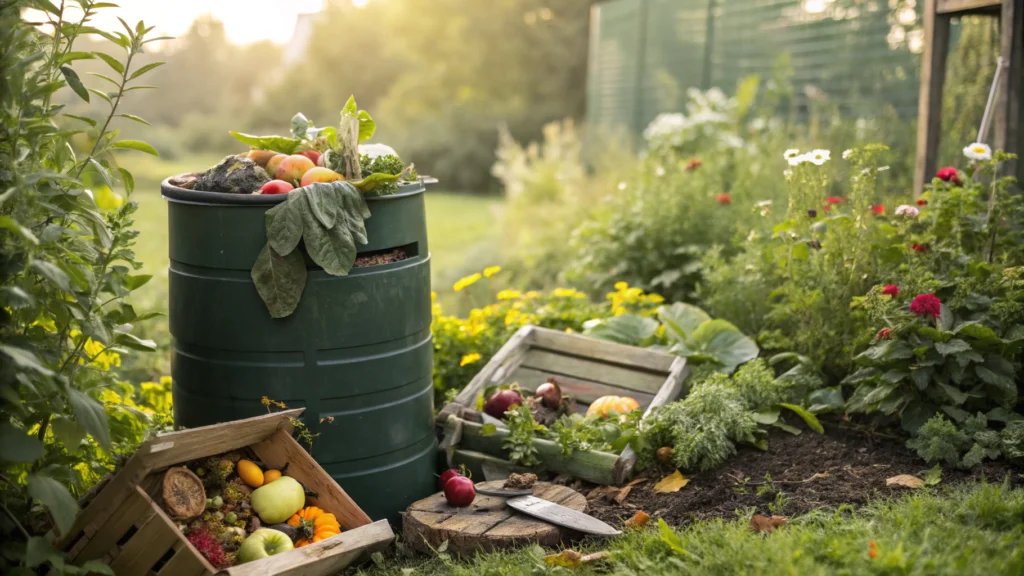
Composting is a process involving the decomposition of organic material by microbes under controlled conditions. It can be performed at home or on an industrial scale[^6^]. Home composting is ideal for food scraps and yard waste, while industrial composting can manage larger volumes and a broader range of materials, including compostable packaging[^7^].
Proper disposal of compostable waste is essential. It should be segregated from non-compostable waste and ideally disposed of in a dedicated compost bin or facility[^8^].
Compostable Products and Their Certifications
Typical compostable products include foodservice ware, bags, and packaging. It’s crucial to verify compostable certifications, such as the BPI (Biodegradable Products Institute) certification in the U.S., to ensure the product will compost as claimed[^9^].
Challenges in the Adoption of Compostable Materials
Despite their numerous benefits, compostable materials face hurdles in adoption. Consumers and businesses often grapple with issues like limited access to compost facilities and confusion between compostability and biodegradability[^10^]. Misconceptions and misinformation about compostable materials need to be addressed to encourage their wider use[^11^].
The Role of Corporations in Advancing Compostable Materials
Companies like NatureBioEco are at the forefront of promoting compostable materials. Corporate responsibility in sustainability is paramount, and businesses can make a significant contribution by adopting and advocating for compostable materials.
Conclusión
The adoption and proper disposal of compostable materials offer immense environmental benefits, from waste reduction to the promotion of a circular economy. We urge everyone to consider integrating compostable materials and practices into their daily routines.
Preguntas frecuentes
- ¿Qué significa "compostable"?
Compostable materials are those that can decompose in compost conditions to form nutrient-rich soil. - ¿En qué se diferencia lo compostable de lo biodegradable?
Biodegradable materials break down into smaller fragments over time but do not necessarily enrich the soil. Compostable materials decompose into nutrient-rich soil in compost conditions. - ¿Cuáles son los beneficios de utilizar materiales compostables?
Compostable materials help reduce landfill waste, decrease greenhouse gas emissions, and contribute to the circular economy by transforming waste into a valuable resource. - ¿Cómo puedo desechar adecuadamente los residuos compostables?
Compostable waste should be segregated from non-compostable waste and disposed of in a dedicated compost bin or facility. - ¿Qué productos se consideran compostables?
Food scraps, yard waste, paper, and certain types of packaging materials such as compostable plastics are compostable. - Are all types of compostable materials suitable for composting?
Not all compostable materials are suitable for home composting. Some, like compostable plastics, require industrial composting facilities. - ¿Qué certificaciones indican que un producto es verdaderamente compostable?
Look for certifications such as the BPI (Biodegradable Products Institute) certification in the U.S. - ¿Cómo contribuye el compostaje a una economía circular?
Composting transforms waste into a valuable resource, enriching soil, and supporting plant growth, thereby contributing to a circular economy.
Referencias
[1]: Compostable Info
[2]: Biodegradable Vs. Compostable
[3]: Examples of Compostable Materials
[4]: Environmental Impact of Compostable Materials
[5]: El compostaje y la economía circular
[6]: Home Vs. Industrial Composting
[7]: Proper Disposal of Compostable Waste
[8]: Compostable Certifications
[9]: Compostable Products
[10]: Challenges in Adopting Compostable Materials
[11]: Misconceptions about Compostable Materials
Acerca de NatureBioEco
NatureBioEco is dedicated to promoting compostable materials and sustainable practices. We envision a world where waste is perceived as a resource, not a problem. Join us in making this vision a reality.